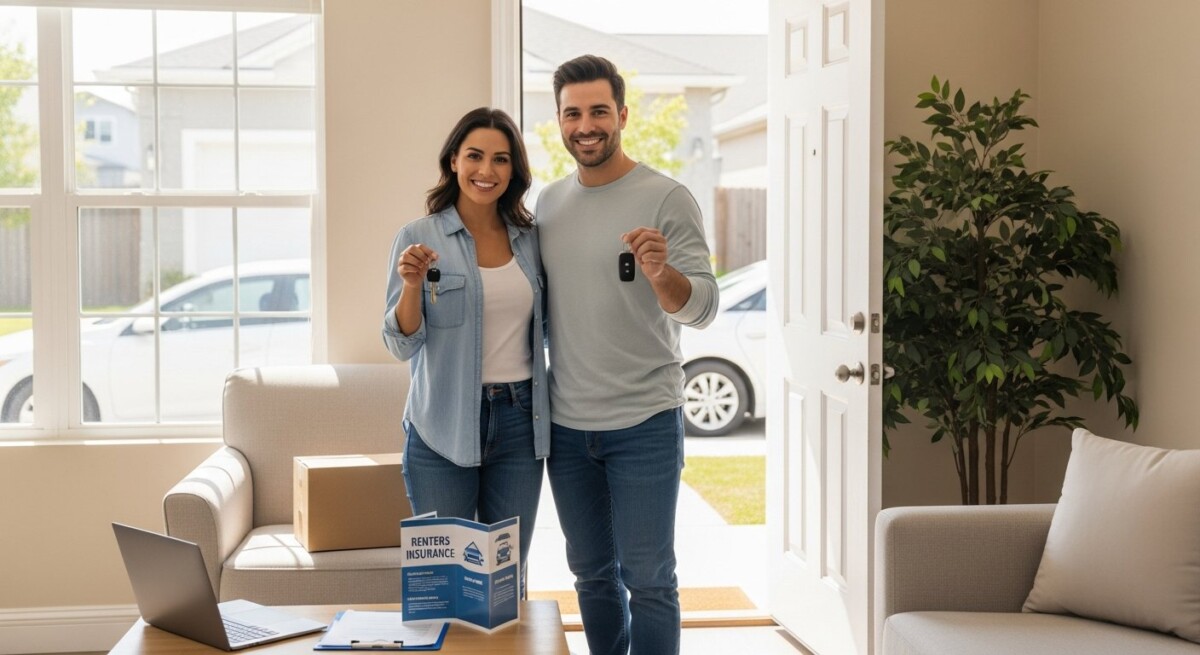
When you rent an apartment or own a house, you likely focus on protecting your dwelling and belongings. But your auto insurance is another critical layer of financial protection, and it is often more connected to your housing situation than you might think. Many drivers miss out on significant savings because they do not realize how their renter or homeowner status affects their car insurance rates. This article explains the link between your housing situation and your auto policy, highlights the best ways to bundle coverage, and shows you how to avoid common mistakes that cost you money.
Whether you are a renter with a basic liability policy or a homeowner with a full coverage plan, the decisions you make about your dwelling insurance can directly impact your auto premiums. Insurers view renters and homeowners differently. Homeowners often receive better rates because they are seen as more stable and financially responsible. Renters, on the other hand, can still unlock discounts by bundling a renters policy with their auto insurance. Understanding these dynamics is the first step toward building a smarter, more affordable coverage strategy.
Why Your Housing Status Matters for Auto Insurance
Insurance companies use a variety of factors to calculate your risk profile, and your housing situation is one of them. Homeowners tend to stay in one place longer, which reduces the likelihood of lapsed coverage or fraudulent claims. Renters, especially those who move frequently, may be viewed as slightly higher risk. That does not mean renters cannot get great rates, but it does mean you need to be proactive about comparing quotes and asking for discounts.
Another reason housing status matters is the potential for multi-policy discounts. When you bundle your auto insurance with a renters or homeowners policy, you can often save between 5% and 25% on both premiums. That is a substantial amount over the course of a year. For example, if you pay $1,200 annually for auto insurance and $300 for renters insurance, a 15% bundle discount could save you $225 per year. Over five years, that is more than $1,100 in your pocket.
In our guide on renters and homeowners bundling auto insurance, we explain the exact mechanics of how these discounts work and which insurers offer the most generous savings. That article is a great starting point if you want to understand the numbers behind the strategy.
Key Differences Between Renters and Homeowners Coverage
Renters insurance and homeowners insurance serve different purposes, but both can be bundled with auto coverage. Renters insurance protects your personal property, provides liability coverage, and pays for additional living expenses if you are displaced. Homeowners insurance does all of that plus covers the structure of your home. Because homeowners policies are more comprehensive, they cost more, but they also deliver a larger bundle discount on your auto insurance.
If you are a renter, you might not think you need renters insurance, but many landlords now require it. A basic renters policy can cost as little as $15 per month, and the bundle discount on your auto insurance can offset most of that cost. For example, if bundling saves you $20 per month on auto insurance, you are effectively getting renters coverage for free. That is a powerful incentive to stop skipping this important protection.
Homeowners should also consider the impact of their home insurance on their auto premiums. Insurers reward customers who carry both policies with them. The longer you stay with the same company, the more loyalty discounts you accumulate. Switching your auto policy to match your home insurer often results in an immediate discount, even if you have only been with that company for a few months.
How to Bundle Auto Insurance with Renters or Homeowners Policies
Bundling is one of the simplest ways to save money on insurance, but it requires a little bit of strategy. Here are the steps to follow if you want to maximize your savings:
- Gather your current policies: Pull your auto, renters, or homeowners declarations pages so you know your current coverage limits and premiums.
- Get quotes from multiple insurers: Use online comparison tools or call independent agents to see what bundling would cost with different companies.
- Compare the total cost: Do not look at just the auto or just the dwelling policy. Add both premiums together to see the true bundle price.
- Check for additional discounts: Ask about safe driver, low mileage, and paperless discounts that stack on top of the bundle.
- Review coverage limits: Make sure the bundled policies still meet your needs. A cheap policy with low limits is not a good deal if it leaves you exposed.
Once you have quotes, you can decide whether to move both policies to a new insurer or stay with your current one. In many cases, switching both policies to a new carrier yields the biggest savings, especially if you have been with your current insurer for years without a discount review. But be careful: you should always confirm that the new insurer offers the same or better coverage before making the switch.
For a deeper look at the savings potential, read our post on auto insurance for renters and homeowners key savings. That article breaks down real-world examples of how much you can expect to save based on your state and coverage type.
Common Mistakes Renters and Homeowners Make
Even with the best intentions, many drivers make avoidable errors when it comes to bundling auto and dwelling insurance. One of the most common mistakes is assuming that your landlord’s policy covers your belongings. It does not. Your landlord’s insurance only covers the building structure, not your personal property. Without a renters policy, you are financially responsible for replacing your furniture, electronics, and clothing after a fire, theft, or water damage.
Homeowners often make a different mistake: they let their home insurance lapse when they refinance or switch mortgage lenders. That creates a coverage gap that can raise your auto insurance rates when you try to bundle later. Insurers see lapses in coverage as a red flag, and they may charge you more for auto insurance as a result.
Another common error is failing to update your insurance company when you move from a rental to a home or vice versa. Your auto rates are based on your garaging address, and moving to a different neighborhood can change your risk profile. If you do not inform your insurer, you might be overpaying or underinsured. Always update your address immediately after a move.
How Much Can You Save by Bundling?
Bundling is not a one-size-fits-all solution, but the savings are usually substantial. According to the National Association of Insurance Commissioners, the average multi-policy discount is around 10% to 15%. However, some insurers offer discounts up to 25% for customers who bundle auto and home. Renters usually see a smaller discount, around 5% to 10%, because renters policies are less expensive.
To put that in perspective, consider a driver who pays $1,500 per year for auto insurance and $500 per year for homeowners insurance. A 15% bundle discount on both would save $300 annually. Over a decade, that is $3,000. For renters, the savings might be $150 per year, but that still adds up. If you are paying $20 per month for renters insurance, a $12.50 monthly discount on auto insurance nearly cancels out the renters premium.
The exact savings depend on your state, your driving record, and your credit score. Some states have regulations that limit how much insurers can discount for bundling. Others allow more aggressive pricing. To find the best deal, you need to compare quotes from multiple carriers, which is exactly what our guide to why renters and homeowners need auto insurance bundles explains in detail.
When Bundling Might Not Be the Best Option
Bundling is not always the right move. For example, if you have a very clean driving record and your auto insurer gives you a massive safe driver discount, adding a renters policy might not produce a bundle discount that exceeds what you already save. In that case, keeping your auto insurance separate and buying a cheap renters policy from another company could be cheaper overall.
Another scenario where bundling fails is when one policy has a claim history. If you have filed multiple claims on your home insurance, your homeowners premium may be so high that bundling with a new auto insurer does not save you enough. Similarly, if you have a poor credit score, some insurers will penalize you on the auto side even with a bundle discount.
You should also consider customer service and claims handling. A bundle discount is worthless if the insurer is difficult to work with after an accident or a house fire. Read reviews, ask friends, and check complaint ratios with your state’s department of insurance before committing.
Frequently Asked Questions
Can renters get the same bundle discount as homeowners?
No, renters typically receive a smaller discount because renters policies cost less. However, the discount still makes it worthwhile to bundle, especially if you already need renters insurance. The combined savings on both policies often exceeds the cost of the renters policy itself.
Does bundling auto and home insurance affect my coverage?
No, bundling does not change your coverage limits or deductibles. It is simply a pricing discount. You still choose the same coverage options you would if you bought policies separately. Always review your declarations page to confirm your coverage remains adequate.
What if I do not own a car but I rent?
If you do not own a car, you do not need auto insurance, but renters insurance is still highly recommended. Once you purchase a vehicle, you can bundle your new auto policy with your existing renters policy to unlock a discount.
Is it better to bundle with the same company or buy separately?
It depends on the total cost. Use an online comparison tool to get quotes for both scenarios. Sometimes a separate policy from a discount carrier is cheaper than a bundled policy from a premium insurer. Always compare the combined cost, not just the discount percentage.
How often should I shop for bundled insurance?
You should review your insurance policies at least once a year, especially around renewal time. Life changes like a move, a new job, or a new car can affect your rates. Shopping annually ensures you are not overpaying.
Final Thoughts on Bundling for Renters and Homeowners
Bundling auto insurance with a renters or homeowners policy is one of the most effective ways to reduce your overall insurance costs. Homeowners often see the biggest savings, but renters can also benefit significantly, especially when the bundle discount offsets the cost of renters coverage. The key is to compare quotes, understand your coverage needs, and avoid common pitfalls like letting coverage lapse or failing to update your address.
If you are ready to explore your options, check out our practical tips in auto insurance for renters and homeowners key tips. That resource will help you navigate the quoting process and ensure you get the best possible rates. Remember, the right bundle can save you hundreds of dollars each year, so it pays to do your homework.