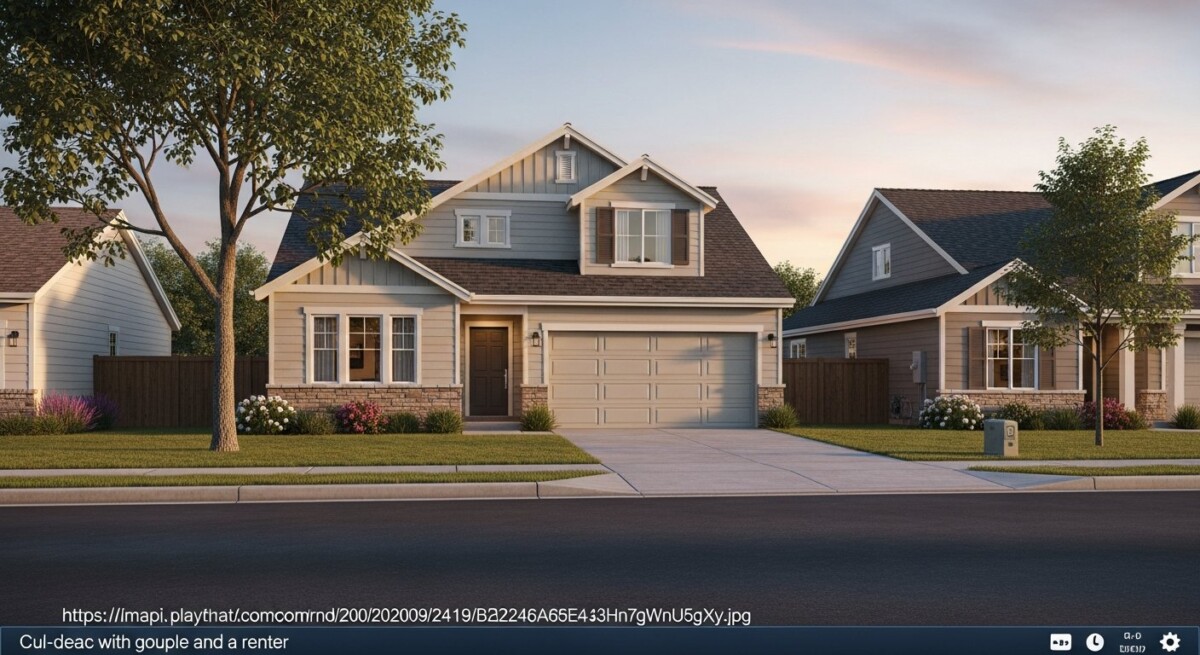
When you rent an apartment or own a house, your auto insurance might be the last thing on your mind. But your housing situation can actually have a bigger impact on your car insurance rates and coverage needs than you might expect. Whether you are a renter in a downtown high rise or a homeowner with a two car garage, understanding how your living situation interacts with your auto policy can save you money and prevent serious coverage gaps. This guide explores the connection between your home and your auto insurance, and it offers practical strategies to help you get the right protection without overpaying.
Why Your Housing Status Matters for Auto Insurance
Insurance companies look at risk, and where you live is a major factor in that calculation. For renters, the risk profile often differs from homeowners. Renters tend to move more frequently, which can mean changes in parking, crime rates, and even the distance to work. Homeowners, on the other hand, usually have a stable address, a driveway or garage, and sometimes a different claims history. These differences can influence your auto insurance premiums, sometimes by hundreds of dollars per year.
Beyond rates, your housing status affects the types of coverage you should consider. For example, if you rent and park on the street, you might need comprehensive coverage to protect against theft or vandalism. If you own a home with a garage, you might have lower risk of weather damage, but you still need liability coverage to protect your assets. Understanding these nuances is the first step to building a policy that fits your life.
In our guide on auto insurance for renters and homeowners, we explain how your address and housing type are used by insurers to set your rates, and we outline the specific coverage adjustments that make sense for each group.
Key Differences Between Renters and Homeowners Policies
Renters and homeowners face different insurance needs, and not just for their property. Here are the main differences that affect auto insurance:
- Parking and storage: Renters often park on the street or in shared lots, which can increase the risk of theft, vandalism, and collisions. Homeowners with garages or driveways may qualify for lower rates.
- Credit and financial stability: Homeowners often have higher credit scores and more financial assets, which can lead to lower auto insurance rates because insurers view them as lower risk.
- Bundling opportunities: Homeowners can bundle auto insurance with homeowners insurance, which typically earns a discount. Renters can bundle with renters insurance, but the discount is usually smaller because renters insurance is less expensive.
- Claims history and liability exposure: Homeowners have more assets to protect, so they may need higher liability limits. Renters might need less liability coverage, but they still need enough to protect their income and savings.
These differences are not universal, but they give you a framework for comparing quotes. For example, a renter in a busy city might pay more for comprehensive coverage because the risk of theft is higher. A homeowner in a quiet suburb might pay less, but they also need to consider the cost of repairing a garage or driveway if an accident occurs.
How to Save on Auto Insurance as a Renter
Renters often think they have fewer options for savings, but that is not true. Here are several strategies that can reduce your auto insurance costs while keeping you well protected:
Bundle your auto and renters insurance. Many insurers offer a multi policy discount, even if the renters policy is small. This can save you 5 to 15 percent on both policies. For renters, the total cost of bundling is often lower than buying auto insurance alone because the renters policy is relatively cheap, and the discount applies to your auto premium.
Choose a higher deductible. If you have an emergency fund, raising your comprehensive and collision deductibles from $500 to $1,000 can lower your premium by 10 to 20 percent. Just make sure you can afford the out of pocket cost if you file a claim.
Take advantage of low mileage discounts. Renters often live closer to work or use public transit, which means fewer miles driven. Ask your insurer about usage based programs or low mileage discounts. Some companies offer apps that track your driving and reward safe, infrequent driving.
Improve your credit score. In most states, insurers use credit based insurance scores to set rates. Paying bills on time and reducing debt can improve your score over time, which can lead to lower premiums.
One of the most effective ways to find savings is to compare quotes from multiple insurers. Our resource on auto insurance for renters and homeowners includes a step by step guide to comparing quotes without sacrificing coverage.
How Homeowners Can Lower Their Auto Insurance Costs
Homeowners have a few unique advantages when it comes to auto insurance. The biggest one is the ability to bundle auto and homeowners insurance, which can lead to significant discounts. But there are other strategies too:
Bundle your policies. This is the most common way to save. Insurers reward loyalty and the convenience of having both policies with one company. Discounts can range from 10 to 25 percent, depending on the insurer and your state.
Review your liability limits. As a homeowner, you have more assets to protect, so you might need higher liability limits than the state minimum. However, you can also consider an umbrella policy, which provides extra liability coverage beyond your auto and homeowners policies. Umbrella policies are often inexpensive, and they can save you money compared to raising your auto liability limits alone.
Take advantage of home safety features. If your home has a garage, a security system, or even a driveway that keeps your car off the street, mention this to your insurer. Some companies offer discounts for vehicles that are garaged overnight.
Pay annually instead of monthly. Many insurers charge installment fees for monthly payments. Paying your premium in full for the year can save you money on fees, and some companies offer a small discount for annual payments.
For a deeper look at these strategies, see our article on auto insurance for renters and homeowners, which includes a checklist for homeowners to review before renewal.
When to Update Your Auto Insurance After a Move
Moving from a rental to a home, or vice versa, is a major life event that should trigger an insurance review. Here is a simple timeline to follow:
- Before you move: Contact your insurer to get a quote for your new address. Ask how your rates might change based on the new location, parking, and crime stats.
- Immediately after moving: Update your address on your policy. Driving without the correct address can lead to claim denials or even policy cancellation.
- Within 30 days: Compare quotes from other insurers, especially if you are moving to a new state. Insurance regulations and rates vary widely by state.
- At your first renewal: Review your coverage limits and deductibles. A change in your housing situation might mean you need more or less coverage.
If you are moving from a rental to a home, you might also need to increase your liability coverage because you now have more assets to protect. Conversely, if you are downsizing to a rental, you might be able to reduce your coverage, but be careful not to drop comprehensive or collision if you still have a car loan or lease.
Common Mistakes to Avoid
Many drivers make errors when it comes to auto insurance and their housing situation. Here are the most common pitfalls and how to avoid them:
Not bundling because you think you do not qualify. Renters sometimes assume that renters insurance is not worth bundling, but even a basic renters policy can unlock a discount. Homeowners might skip bundling because they have a separate agent for home insurance, but it is almost always cheaper to combine.
Choosing the minimum liability limits. This is especially risky for homeowners. If you cause an accident and the damages exceed your limits, the injured party can come after your personal assets, including your home. Renters are also at risk, but they have fewer assets to lose. However, future wages can be garnished, so it is not a safe bet.
Ignoring the impact of your credit score. Both renters and homeowners should check their credit report regularly. Errors on your credit report can unfairly raise your insurance rates. You are entitled to a free credit report from each of the three major bureaus every year.
Forgetting to review your policy after life changes. Marriage, adding a teen driver, or getting a new job with a longer commute can all affect your rates. Set a reminder to review your policy every six months.
Frequently Asked Questions
Does renting or owning affect my auto insurance rate? Yes, but indirectly. Insurers use your address to assess risk factors like crime, weather, and traffic density. Renters often live in urban areas with higher risk, while homeowners may live in suburbs. Your housing status itself is not a direct rating factor, but it correlates with other factors.
Can I get a discount for bundling auto and renters insurance? Yes, most major insurers offer a multi policy discount for bundling auto and renters insurance. The savings are typically smaller than with homeowners insurance, but they are still significant.
Do I need comprehensive coverage if I park in a garage? Not necessarily, but comprehensive coverage also protects against theft, fire, and falling objects, not just hail and vandalism. If your car is financed or leased, your lender will require it.
Should I raise my liability limits if I buy a home? Yes, it is wise to increase your liability coverage when you become a homeowner because you have more assets to protect. Consider an umbrella policy for extra protection.
How often should I shop for auto insurance? At least once a year, or whenever you have a major life change like moving, buying a home, or adding a driver. Rates can change, and you might find a better deal.
Final Thoughts
Your housing situation and your auto insurance are more connected than you might think. Renters and homeowners both have unique opportunities to save money and improve their coverage. The key is to understand how insurers view your risk, whether you live in an apartment or a house, and then take action to address those factors. Start by reviewing your current policy, comparing quotes, and considering a bundle with your renters or homeowners insurance. For more detailed advice, check out our additional resource on auto insurance for renters and homeowners, which includes a side by side comparison of coverage needs. With a little effort, you can find a policy that protects you well and fits your budget.