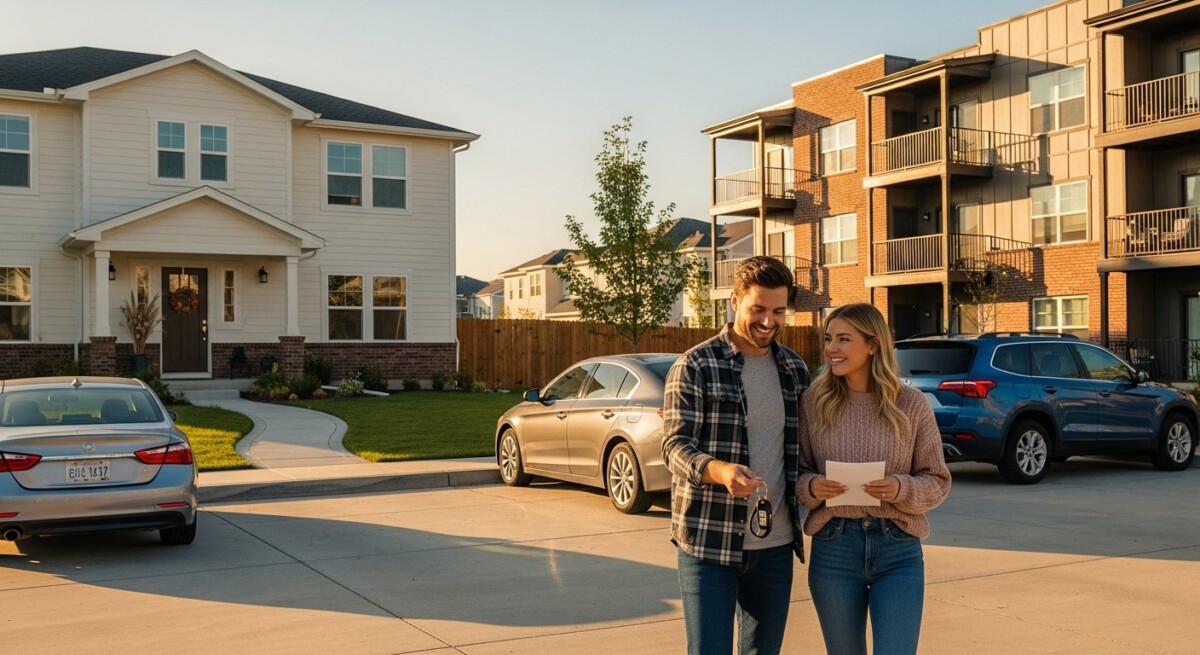
When you rent an apartment or own a house, your auto insurance policy is often the last thing on your mind. You focus on moving boxes, decorating rooms, or maintaining a lawn. Yet the type of dwelling you live in can change how much you pay for car insurance and what coverage you need. Many drivers are surprised to learn that their housing status, whether renter or homeowner, influences their auto insurance rates and options. Understanding this connection can help you avoid overpaying and ensure you have the right protection in place.
This article explores the relationship between your living situation and your auto insurance. We will cover how insurers view renters versus homeowners, the benefits of bundling policies, and practical steps to secure the best rates. By the end, you will know exactly what to ask your agent and how to structure your coverage for maximum savings and safety.
How Your Housing Status Affects Auto Insurance Rates
Insurance companies use many factors to calculate premiums, and your housing status is one of them. Statistically, homeowners tend to file fewer auto claims than renters. This is partly due to financial stability, as owning a home often correlates with higher income and assets. Insurers also see homeowners as more responsible, since they maintain property and have a vested interest in their community. As a result, homeowners often receive lower auto insurance rates compared to renters with similar driving records.
However, this does not mean renters are penalized unfairly. Renters can still find competitive rates by maintaining a clean driving history, choosing higher deductibles, and taking advantage of discounts. The key is to understand how insurers view your risk profile and to shop around for the best deal. For example, a renter who lives in a dense urban area might pay more for car insurance due to higher theft and accident rates, regardless of their housing status. Conversely, a homeowner in a quiet suburb might enjoy lower rates because of reduced risk.
Another factor is the type of vehicle you drive. Homeowners often have garages or driveways, which protect vehicles from weather and theft, leading to lower comprehensive coverage costs. Renters who park on the street may face higher premiums because of increased exposure to damage. If you are a renter, consider negotiating a parking spot or using a secure garage to reduce your insurance costs. If you are a homeowner, ensure your policy reflects your safe parking situation to get the credit you deserve.
Bundling Auto and Home or Renters Insurance
One of the most effective ways to save on auto insurance for renters and homeowners is to bundle your auto policy with your renters or homeowners insurance. Insurance companies reward customers who purchase multiple policies with them by offering discounts, often ranging from 5% to 25% off both premiums. This is known as a multi-policy discount, and it can lead to significant annual savings.
Before you bundle, compare the total cost of separate policies with the bundled price. Sometimes, the discount is not enough to offset a higher base rate from a particular company. However, in most cases, bundling is a smart financial move. Additionally, having both policies with one insurer simplifies your finances, as you only make one payment and deal with a single claims process. This convenience is especially valuable after an accident or a home emergency when you need fast, coordinated support.
When you bundle, you also unlock other benefits. Many insurers offer a claims-free discount, a paperless discount, or a paid-in-full discount that can stack with your multi-policy discount. To maximize your savings, ask your agent about all available discounts and how they apply to your combined policies. For a deeper look at how bundling works, read our guide on auto insurance for renters and homeowners: key tips, which provides a step-by-step approach to evaluating bundle offers.
Coverage Differences Between Renters and Homeowners
Your housing status also affects the type of auto coverage you might need, especially regarding liability and personal injury protection. Homeowners have assets, such as a house and savings, that could be at risk in a lawsuit after a car accident. Therefore, they often need higher liability limits to protect those assets. Renters, on the other hand, may have fewer assets to protect, so they might opt for minimum liability coverage to save money. However, this can be a risky decision if you have significant savings or future earning potential.
Renters often overlook the value of umbrella insurance, which provides extra liability coverage beyond your auto and renters policies. An umbrella policy is relatively inexpensive and can protect you from catastrophic lawsuits. Homeowners can also benefit from umbrella coverage, but they are more likely to already have it as part of their financial planning. If you are a renter, consider adding an umbrella policy to your insurance portfolio, especially if you have a high-income profession or are active in public life.
Another difference is the way comprehensive and collision coverage are priced. Homeowners with garages may see lower comprehensive rates because their cars are less exposed to weather and vandalism. Renters who park on the street might need to carry higher comprehensive coverage to account for increased risk. To tailor your coverage to your situation, ask your insurer about specific discounts for secure parking, anti-theft devices, or low annual mileage. For more on how your living situation shapes your coverage, check out our article on renters and homeowners auto insurance: coverage fit.
How Moving Changes Your Auto Insurance
Moving from a rental to a home, or vice versa, can trigger a change in your auto insurance rates. When you move, you must notify your insurer immediately, as your new address affects your premium. For example, moving from a city apartment to a suburban house might lower your rates due to reduced traffic and crime. Conversely, moving from a house to an urban rental could increase your rates because of higher risk factors.
During a move, you also have an opportunity to reassess your coverage. If you are buying a home, you might want to increase your liability limits to protect your new asset. If you are downsizing to a rental, you might lower your coverage to match your reduced risk. This is also a good time to shop around for new quotes, as your needs have changed. Many insurers offer moving discounts or will honor your previous rate for a short period, so ask about those options.
Additionally, if you move to a state with different minimum insurance requirements, you must adjust your policy accordingly. Each state has its own laws for liability limits, personal injury protection, and uninsured motorist coverage. Failing to update your policy after a move can leave you uninsured in your new state. To avoid gaps, review your policy with your agent soon after you change addresses. For a comprehensive overview of what changes when you move, see our guide on auto insurance for renters and homeowners: what changes.
Discounts and Savings Strategies
Both renters and homeowners can take advantage of a variety of auto insurance discounts. The key is to ask your insurer about every discount you might qualify for. Some discounts are obvious, like a good driver discount for a clean record, while others are less known, such as a discount for being a member of certain professional organizations or for completing a defensive driving course.
Here are several discounts to consider:
- Multi-policy discount: Bundle your auto with renters or homeowners insurance.
- Safety features discount: Cars with anti-lock brakes, airbags, and anti-theft systems often qualify.
- Low mileage discount: If you drive less than a certain number of miles per year, you can save.
- Pay-in-full discount: Paying your annual premium upfront can reduce costs.
- Paperless discount: Opt for electronic documents and billing to save a few dollars.
After reviewing these discounts, you might be surprised at how much you can save. For instance, combining a multi-policy discount with a low mileage discount could reduce your premium by up to 30%. However, discounts vary by insurer, so it is wise to compare quotes from multiple companies. If you are a homeowner, your credit score might also play a role in your rates, as insurers use credit-based insurance scores in many states. Maintaining a good credit score is another way to keep your premiums low.
For renters, one often-missed discount is the one for having a security system in your apartment or for living in a gated community. While these are more relevant to renters insurance, some insurers extend small discounts to your auto policy if you have a secure parking garage. Always mention your living situation and any security features to your agent, as these can unlock hidden savings.
Frequently Asked Questions
Does being a homeowner always lower my auto insurance rates?
Not always, but it often does. Homeowners are seen as more financially stable and responsible, which can lead to lower rates. However, your driving record, location, and vehicle type also play major roles. A homeowner with a poor driving record will still pay more than a renter with a clean record.
Can I bundle auto insurance with renters insurance?
Yes, most insurers offer a multi-policy discount for bundling auto and renters insurance. This can save you up to 25% on both policies. It is a smart way to reduce costs, especially for renters who might not have considered renters insurance before.
What happens to my auto insurance if I move to a new state?
You must update your policy with your new address, and you may need to adjust your coverage to meet the new state’s requirements. Your rates will likely change based on the new location’s risk factors. Notify your insurer immediately to avoid gaps in coverage.
How much liability coverage should I have as a renter?
At minimum, you should meet your state’s requirements, but it is wise to consider higher limits. If you have significant savings or future earnings, a higher liability limit or an umbrella policy can protect you from lawsuits. Consult with your agent to determine the right level for your situation.
Final Thoughts
Your housing status is more than just a demographic detail; it is a significant factor in your auto insurance premium. Whether you rent or own, you have the power to control costs by understanding how insurers evaluate risk, bundling policies, and taking advantage of discounts. For renters, securing renters insurance and bundling it with auto can lead to substantial savings while providing essential personal property coverage. For homeowners, maintaining a strong credit score and increasing liability limits can protect your assets and reduce your rates.
Remember to review your policy annually and after any major life change, such as moving, buying a home, or adding a new driver. The insurance market is competitive, and new discounts may become available. By staying informed and proactive, you can ensure that your auto insurance for renters and homeowners is both affordable and comprehensive. For more insights, explore our detailed comparison of auto insurance for renters and homeowners: key differences to see which strategies work best for your profile.