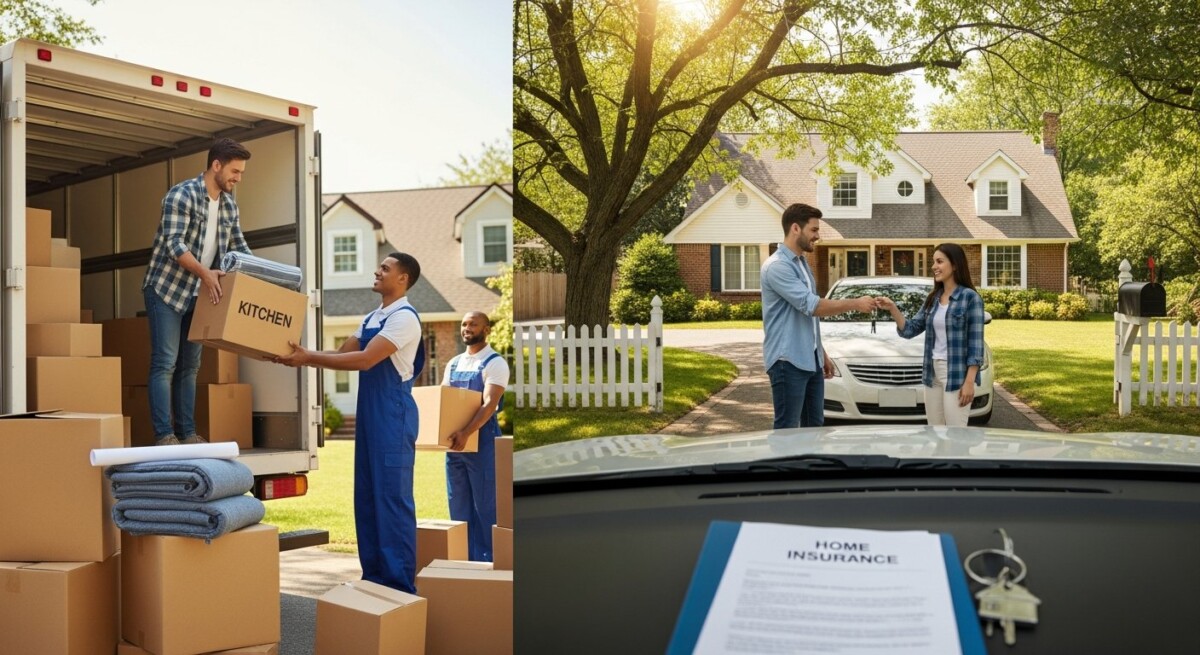
When you move from renting an apartment to buying a house, or even when you switch between rental properties, your auto insurance rarely stays the same. Many drivers assume their car policy is independent of their housing situation, but the truth is that where you live and how you own property can significantly affect your premiums, coverage needs, and available discounts. Understanding these connections helps you avoid overpaying or, worse, facing a coverage gap when you need it most. In this guide, we break down exactly how your housing status influences auto insurance for renters and homeowners, and we show you practical ways to save without sacrificing protection.
Why Your Housing Status Affects Your Auto Insurance Premiums
Insurance companies evaluate risk based on a wide range of factors, and your address is one of the most important. Whether you rent or own, the location of your home determines your local crime rate, weather risks, and even traffic density, all of which influence your collision and comprehensive coverage costs. For example, a renter in a dense urban area with high vehicle theft rates will likely pay more than a homeowner in a quiet suburban neighborhood with low accident statistics.
Beyond location, insurance carriers also look at how stable you are as a policyholder. Homeowners often receive lower rates because they are seen as more financially stable and less likely to move frequently, which reduces the insurer’s administrative costs and risk of policy lapses. Renters, on the other hand, may face slightly higher premiums if they move often, but they can mitigate this by maintaining continuous coverage and asking about loyalty discounts.
Another key factor is the type of policy you hold for your dwelling. If you own a home, you likely have homeowners insurance, and if you rent, you probably have renters insurance. These policies are separate from auto insurance, but many carriers offer multi-policy discounts that can reduce both your home and auto premiums by 5% to 20%. That discount is one of the most straightforward ways to lower your costs, regardless of whether you rent or own. In our guide on smart coverage strategies, we explain how bundling can lead to significant annual savings.
Coverage Gaps That Renters and Homeowners Often Overlook
Your auto insurance policy is designed to cover your vehicle, but it does not automatically cover everything inside your car or your liability in every situation. Renters and homeowners often assume their auto policy extends to personal belongings stored in the vehicle, but that is not always the case. For instance, if someone steals your laptop from your car, your auto insurance may not pay for it unless you have comprehensive coverage, and even then, the deductible might exceed the value of the item.
Here are three common coverage gaps that both renters and homeowners should review:
- Personal property in your vehicle: Your renters or homeowners policy usually covers personal belongings anywhere in the world, but there is a sublimit for items in a car. Check your policy’s coverage limits for electronics and tools.
- Liability when driving a borrowed car: If you frequently drive a friend’s or family member’s vehicle, your auto policy may provide secondary coverage, but it is not guaranteed. Renters and homeowners should verify whether their liability extends to non-owned vehicles.
- Medical payments for passengers: Your auto insurance includes personal injury protection (PIP) or medical payments coverage, but limits vary by state. If you have health insurance, you might still face out-of-pocket costs for passengers, so consider increasing your med pay limits.
These gaps can lead to surprise bills after an accident or theft. To close them, talk to your agent about adding an endorsement for non-owned vehicle liability or increasing your personal property coverage under your renters or homeowners policy. For a deeper look at what changes when you switch from renting to owning, see our article on what changes in your coverage.
How Homeownership Unlocks Discounts That Renters Can Also Use
Homeowners often receive a range of auto insurance discounts that renters assume are off-limits, but many of these savings are actually available to renters too, if they know where to look. The most obvious is the multi-policy discount, which applies when you have both auto and renters insurance with the same carrier. Even if you do not own a home, a renters policy is inexpensive, often under $15 per month, and bundling it with your auto insurance can save you more than the cost of the renters policy itself.
Other discounts are tied to your driving habits or vehicle features, not your housing status. For example, a safe driver discount for accident-free years, a low-mileage discount for driving fewer than 7,500 miles annually, and a telematics discount for using a usage-based app are all available to renters and homeowners alike. Homeowners may also qualify for a homeownership discount simply because they own property, even if they insure their home elsewhere. However, renters can offset this by asking about a non-owner discount or a continuous insurance discount.
To maximize your discounts, compare quotes from multiple insurers and ask each one about every possible discount you might qualify for. Many carriers do not advertise all discounts, so being proactive is key. For a full breakdown of what to know when comparing policies, check out our resource on what to know about renters and homeowners auto insurance.
Liability Limits: Why Your Homeownership Status Matters for Umbrella Coverage
If you own a home, your liability risk is higher than a renter’s because you have more assets to protect. A serious car accident that injures another driver could result in a lawsuit that exceeds your auto insurance liability limits, and if you own a home, the plaintiff could go after your house or savings. Renters rarely face this level of exposure because they have fewer assets, but that does not mean they should ignore liability coverage.
For homeowners, an umbrella policy is a smart addition. An umbrella policy provides extra liability coverage above your auto and home policies, often starting at $1 million in coverage for a few hundred dollars per year. It kicks in when your auto or home liability limits are exhausted, protecting your assets from catastrophic claims. Renters can also benefit from umbrella coverage, especially if they have significant savings or investments, but the need is less acute.
When you buy a home, you should immediately review your auto liability limits and consider increasing them from the state minimum to at least $100,000 per person and $300,000 per accident. Many insurers require higher limits before they will sell you an umbrella policy. Renters should also review their liability limits, especially if they drive for work or frequently carry passengers. For a step-by-step explanation of how these policies work together, see our guide on how auto insurance for renters and homeowners works.
How Moving Changes Your Auto Insurance Rates and Policy Details
Moving from one home to another, whether you are renting or buying, is a trigger to update your auto insurance policy. Your premium is based on your garaging address, which is the location where you park your car most often. Moving to a different ZIP code can increase or decrease your rates depending on local accident statistics, theft rates, and population density. For example, moving from a rural area to a city center often raises premiums because of higher traffic congestion and vandalism risk.
Additionally, a move can affect your coverage requirements if you are changing states. Each state has its own minimum liability limits, and some states require personal injury protection (PIP) or uninsured motorist coverage. When you move, you must update your policy to comply with your new state’s laws, and your insurer may adjust your rates accordingly. Failure to update your address can lead to a claim denial or even policy cancellation.
Renters who move frequently should inform their insurer immediately, even if the move is within the same city. Homeowners who relocate should also update their policy and consider how the new home’s security features, such as a garage or a driveway, affect your vehicle’s exposure to theft or weather damage. Always ask your agent about move-related discounts, such as a multi-car discount if your household now has more vehicles.
Frequently Asked Questions
Does auto insurance cost more for renters than homeowners?
Not necessarily. Premiums are based primarily on your driving record, vehicle type, and location, not directly on your housing status. However, homeowners often receive a homeownership discount that renters do not, but renters can offset this by bundling a renters policy with their auto insurance.
Can renters get the same discounts as homeowners?
Many discounts are available to both, including safe driver, low mileage, and telematics discounts. Renters can also get a multi-policy discount by bundling auto and renters insurance, which is often cheaper than buying auto insurance alone.
Do I need renters or homeowners insurance to buy auto insurance?
No, but having a renters or homeowners policy can lower your auto insurance cost through a multi-policy discount. You can purchase auto insurance without a home policy, but you may miss out on savings.
What happens if I move and do not update my auto insurance address?
Your insurer may deny a claim if your vehicle is garaged at an address different from the one on your policy. You could also face higher premiums retroactively or policy cancellation. Always update your address immediately after moving.
Smart Ways to Save on Auto Insurance for Renters and Homeowners
Whether you rent or own, the same core principle applies: you should shop around and compare quotes at least once a year. Your rates can change based on your credit score, claims history, and even changes in your commute. For renters, getting a renters insurance policy is often the cheapest way to unlock a multi-policy discount, sometimes saving more than the cost of the renters policy itself. For homeowners, bundling your home and auto insurance is usually the most effective savings strategy.
Another underused tactic is to raise your deductibles. A higher deductible, such as $1,000 instead of $500, can lower your comprehensive and collision premiums by 10% to 20%. Just ensure you have enough savings to cover the deductible if you file a claim. Additionally, ask about low-mileage discounts if you work from home or use public transit, and consider usage-based insurance programs that reward safe driving with immediate savings.
Finally, review your coverage limits annually. If you have an older vehicle with a low market value, you might consider dropping collision or comprehensive coverage, but do so only if you can afford to replace the car out of pocket. For newer or leased vehicles, full coverage is usually required. Balancing these factors ensures you are not overpaying for auto insurance for renters and homeowners.
In summary, your housing status is more than a checkbox on a form. It directly influences your premiums, discounts, and liability exposure. By understanding these connections and taking proactive steps, you can secure the right coverage at a price that fits your budget. Start by reviewing your current policy, then compare quotes from multiple carriers to see where you can save. If you need personalized guidance, a licensed agent can help you navigate the options and ensure you are not missing any discounts.