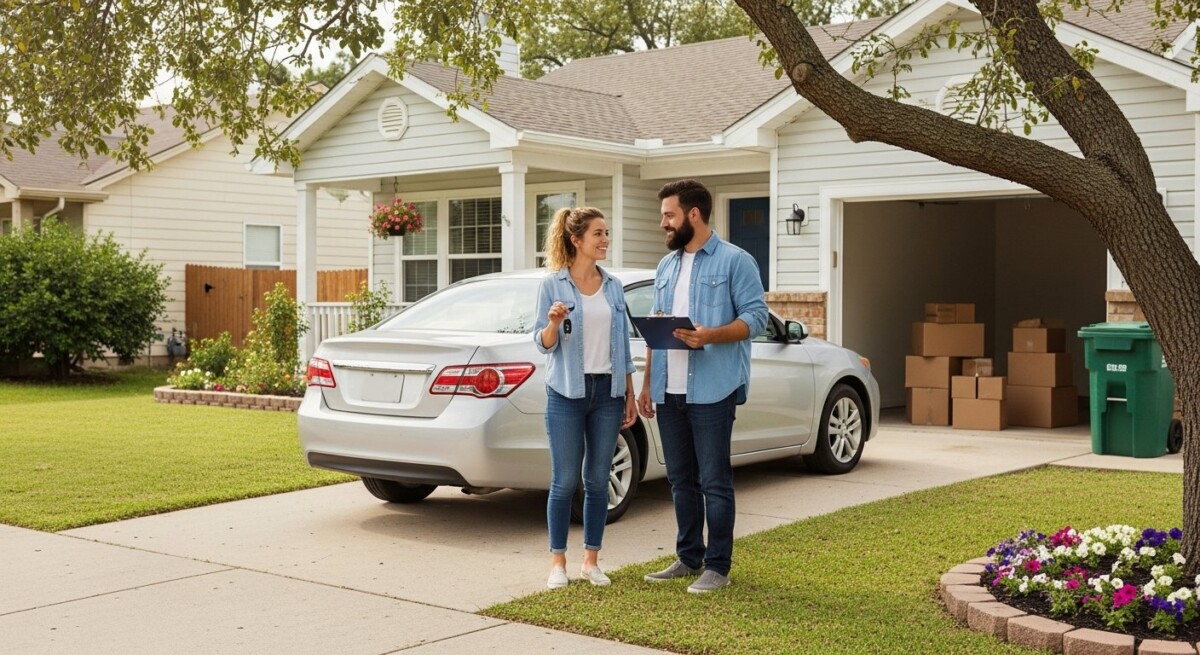
When you rent an apartment or own a house, you probably focus on protecting your space, but what about your car? Many drivers overlook how their housing situation influences their auto insurance costs and coverage needs. The truth is, auto insurance for renters and homeowners shares a surprising connection with your living arrangement, and understanding that link can lead to significant savings and better protection. By exploring how insurers view renters versus homeowners, you can make smarter choices that benefit both your wallet and your peace of mind.
Insurance companies look at more than just your driving record when pricing your policy. They consider your address, your claims history, and even whether you own or rent your home. That last factor can affect your rates in ways you might not expect. For example, homeowners often qualify for discounts because they have a stable residence and a history of financial responsibility. Renters, on the other hand, may face slightly higher premiums because they move more frequently, which insurers see as a higher risk. But renters also have unique opportunities to bundle policies and save.
Let us break down how your housing status impacts your auto coverage, what discounts are available, and how you can combine your home and auto policies for maximum savings. Whether you are a renter looking to lower your premiums or a homeowner hoping to streamline your insurance, this guide will give you actionable steps to protect yourself without overpaying.
How Your Housing Status Affects Your Auto Insurance Rates
Your living situation sends signals to auto insurers about your risk level, even though it seems unrelated to driving. Homeowners typically stay in one place for many years, which suggests stability and lower likelihood of filing a claim. Renters often move every few years, and each move means a new address, a new commute, and a new parking situation. Insurers factor in these variables when calculating premiums, and they often reward homeowners with lower rates.
However, being a renter does not automatically mean you will pay more. Many insurers offer the same discounts to renters who have a clean driving record and maintain continuous coverage. The key is to shop around and compare quotes from multiple companies. In fact, our guide on auto insurance for renters and homeowners: key tips outlines how comparing offers can help you find the best rate for your specific situation.
Another factor is your credit history. Insurers use credit-based insurance scores to predict claim likelihood, and both renters and homeowners with good credit enjoy lower premiums. If you are a renter with excellent credit, you might pay less than a homeowner with poor credit. So while homeownership can be an advantage, it is not the only factor that matters. Focus on what you can control, such as your driving habits, your credit score, and the coverage options you choose.
Renters: Unique Coverage Considerations and Discounts
If you rent, your auto insurance policy does not cover your personal belongings inside your apartment. That is where renters insurance comes in. While not required by law, many landlords now require tenants to carry renters insurance. This policy protects your furniture, electronics, and clothing against theft, fire, and certain water damage. It also provides liability coverage if someone gets injured in your home.
Combining your renters and auto policies with the same insurer is one of the smartest ways to save. Most companies offer a multi-policy discount that can reduce your auto premium by 5% to 15%. That is a substantial saving for simply bundling two policies. Plus, you simplify your bill payments and manage everything through one login. Our article on renters and homeowners auto insurance: smart ways to save explains the exact steps to take when bundling your policies.
Another consideration for renters is the type of vehicle you drive. If you live in a city and rely on public transit, you might drive less, which could qualify you for a low-mileage discount. Some insurers also offer discounts for vehicles equipped with anti-theft devices or advanced safety features. When you rent, you may not have a garage, so parking on the street increases the risk of theft or damage. Insurers know this, and you might see higher rates if you live in a dense urban area. To offset that, look for discounts related to defensive driving courses or telematics programs that track your safe driving habits.
Homeowners: Leveraging Your Home for Auto Savings
Owning a home gives you more leverage when negotiating auto insurance rates. Many insurers offer a homeowner discount on your auto policy, even if you buy your home insurance from a different company. This discount can range from 5% to 10%, and it is available simply because you are a homeowner, not because you bundle. You can take advantage of this discount even if you keep your home and auto policies separate, but bundling usually provides an even larger combined discount.
Homeowners also tend to have more assets to protect, which is why umbrella insurance is a smart addition. An umbrella policy provides extra liability coverage beyond the limits of your auto and home policies. If you cause a serious car accident and are found liable for $500,000 in damages, your auto policy might only cover $250,000. An umbrella policy fills that gap, protecting your savings, your home, and your future earnings. The cost is surprisingly low, often around $150 to $300 per year for $1 million in coverage.
When you bundle your home and auto insurance, you simplify your finances and often unlock the best rates. Insurers reward loyalty, and a single policyholder who carries both policies is less likely to switch carriers. That stability translates into discounts that can save you hundreds of dollars annually. To see how much you could save, check out our breakdown of auto insurance for renters and homeowners: key savings, which compares typical bundling discounts across major insurers.
Bundling: The Fastest Way to Save on Both Policies
Bundling your auto insurance with your renters or homeowners insurance is the single most effective way to reduce your overall insurance costs. The discount usually applies to both policies, so you save on your car coverage and your home coverage simultaneously. Most insurers offer a multi-policy discount that ranges from 5% to 25%, depending on the company and your state.
To maximize your savings, follow these steps:
- Gather your current auto and home or renters policy documents, including coverage limits and premiums.
- Get quotes from at least three insurers that offer both auto and home insurance.
- Compare the bundled price against your current separate policies to see the true savings.
- Ask about additional discounts, such as loyalty, paperless billing, or paid-in-full discounts.
- Review your coverage limits to ensure you are not underinsured just to save money.
After you receive bundled quotes, take a close look at the coverage details. A lower price is only a good deal if it still provides adequate protection. For instance, if you drop your collision coverage to save money, you might face high out-of-pocket costs after an accident. Balance savings with sufficient coverage for your vehicle and your home.
Bundling also simplifies the claims process. If you are in a car accident and your home is damaged in the same event, such as a severe storm, you would file two separate claims with different insurers. That is a headache. With one insurer, you manage both claims through a single contact, which speeds up resolution and reduces stress.
Other Discounts That Renters and Homeowners Should Not Miss
Beyond bundling, both renters and homeowners can qualify for a variety of discounts that reduce their auto insurance premiums. Here are some of the most common ones:
- Safe driver discount: A clean driving record for three to five years qualifies you for a significant discount.
- Low mileage discount: If you drive fewer than 10,000 miles per year, you can save.
- Vehicle safety features: Anti-lock brakes, airbags, and electronic stability control earn discounts.
- Anti-theft devices: Cars with alarms or tracking systems are less likely to be stolen.
- Defensive driving course: Completing an approved course can lower your premium for a few years.
- Good student discount: Full-time students with a B average or better can save.
Each insurer applies these discounts differently, so ask your agent which ones you qualify for. Sometimes you need to provide proof, such as a certificate of completion for a driving course or a transcript for a student discount. Do not assume you automatically receive these discounts; you often have to request them.
Another overlooked discount is the paid-in-full option. If you can pay your annual premium in one lump sum, many insurers give you a discount of 5% to 10% because they save on billing costs. That is a simple way to save without changing your coverage. Similarly, setting up automatic payments can earn a small discount, though you must ensure you have sufficient funds to avoid overdraft fees.
When Bundling Is Not the Best Choice
While bundling usually saves money, it is not always the optimal strategy. If your home or renters policy has a specialized need, such as earthquake or flood coverage, you might get better terms from a separate insurer. Also, if you have a poor claims history with one company, bundling with that same insurer might lock you into higher rates. In those cases, you should shop around and compare separate policies versus bundled packages.
Sometimes your current auto insurer offers a great rate but does not provide competitive home insurance quotes. In that scenario, you could keep your auto policy and purchase home insurance from a different carrier. You might lose the bundling discount, but you could still save overall if the home policy is significantly cheaper. Always compare the total cost of your insurance portfolio, not just the discount percentage.
To make an informed decision, use an independent comparison tool like our guide on auto insurance for renters and homeowners: key tips that explains how to evaluate quotes side by side. Look at coverage limits, deductibles, and exclusions, not just the monthly price. A cheaper policy with a $2,000 deductible might cost you more in the long run if you file a claim.
Frequently Asked Questions
Do renters really need auto insurance?
Yes, auto insurance is mandatory in nearly every state. Renters are not exempt from state minimum requirements. You must carry at least liability insurance, which covers injuries and property damage you cause to others. If you lease or finance your vehicle, your lender will also require collision and comprehensive coverage.
Can I bundle my renters insurance with my auto insurance?
Absolutely. Most major insurers offer renters insurance, and bundling it with your auto policy can save you 5% to 15% on both premiums. This is one of the easiest ways for renters to reduce their auto insurance costs while also protecting their personal belongings.
How does homeownership affect my auto insurance rates?
Homeowners often receive a discount on their auto insurance because they are seen as more stable and financially responsible. This discount can be 5% to 10% off your auto premium, even if you do not buy your home insurance from the same company. Plus, homeowners can bundle both policies for even larger savings.
What is the best way to compare auto insurance for renters and homeowners?
Start by getting quotes from at least three insurers, both for your auto policy and your home or renters policy. Compare the bundled price against separate policies. Use online tools to see side-by-side coverage details, and consider consulting with a licensed agent who can explain nuances in your state.
Make Your Housing Status Work for You
Your living situation, whether you rent or own, is a powerful tool when shopping for auto insurance. Renters can leverage bundling with renters insurance, while homeowners can take advantage of homeowner discounts and umbrella policies. The key is to actively compare quotes, ask about every available discount, and adjust your coverage as your life changes. For example, if you move to a safer neighborhood or start working from home, your premiums could drop. Review your policy every six months to ensure you are not missing out on new savings.
If you are ready to see how much you can save on auto insurance for renters and homeowners, start by getting quotes from multiple providers. You might be surprised at how much you can lower your annual premiums with a simple bundle or a homeowner discount. Take action today, and put those savings back into your pocket.