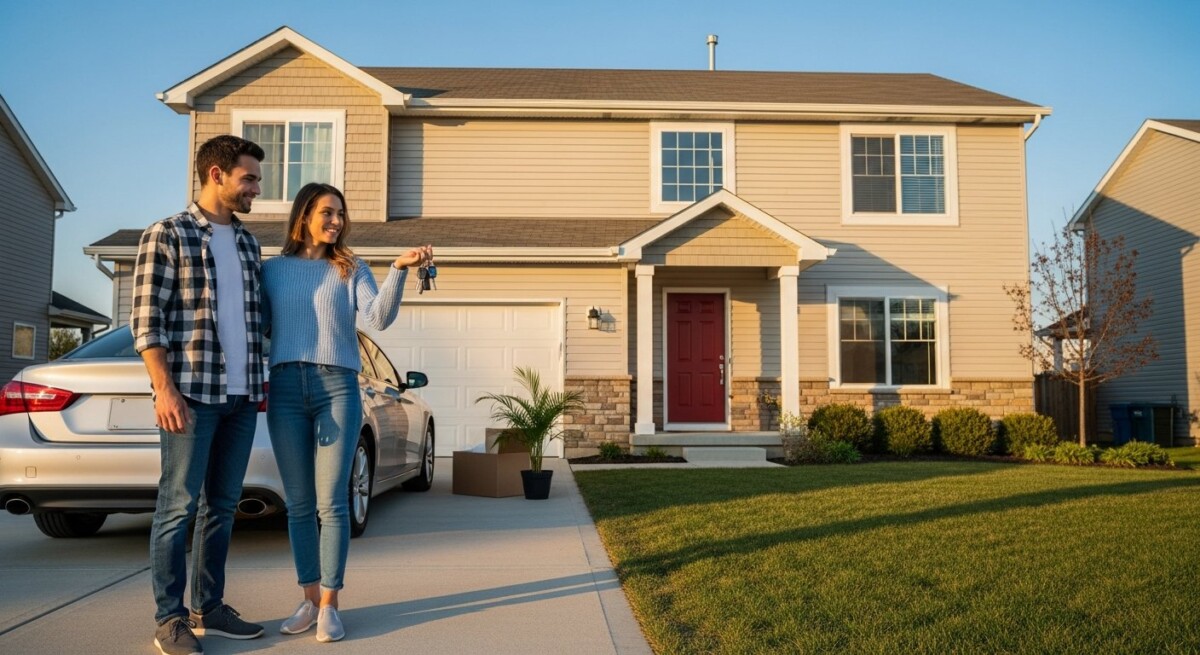
When you rent an apartment or own a house, your auto insurance might be the last thing on your mind. You focus on the roof over your head, the monthly rent or mortgage, and the utilities. Yet the type of home you live in can directly influence what you pay for car insurance and how well you are protected after an accident. Many drivers do not realize that their housing situation opens the door to specific discounts, coverage gaps, and liability risks that are tied to their property. By understanding how auto insurance for renters and homeowners works, you can avoid overpaying, close dangerous gaps, and make your policies work together instead of against each other.
This guide breaks down the connection between your home and your car insurance. You will learn why bundling matters, how renters insurance and homeowners insurance interact with your auto policy, and what steps you can take to lower your premiums without sacrificing protection. Whether you are a renter in a downtown studio or a homeowner with a sprawling suburban property, the strategies below will help you make smarter, more cost-effective decisions.
Why Your Housing Status Affects Your Auto Insurance Rate
Insurance companies use dozens of factors to price your auto policy. Your driving record, age, vehicle type, and location all play a role. But your housing status is also a surprisingly strong indicator of risk. Statistically, homeowners tend to file fewer auto claims than renters. They also tend to stay in one place longer, which correlates with more stable driving habits. Because of this, many insurers offer a homeowner discount, even if your car is not parked in a garage.
Renters, on the other hand, may not qualify for that discount. Yet they can still save by bundling renters insurance with their auto policy. A renters policy is usually cheap, often under $20 per month, and when paired with auto insurance, it can reduce both premiums. The key is to ask your insurer about every discount you might qualify for, including one tied to your housing type.
Bundling Auto and Home Policies: The Core Strategy
Bundling means buying your auto insurance and your homeowners or renters insurance from the same company. This is one of the simplest ways to save, and it is the foundation of smart coverage for drivers who also have a housing policy. Insurers reward loyalty and the convenience of holding multiple policies, typically offering a multi-policy discount of 5 to 25 percent on each policy. Over a year, that can translate into hundreds of dollars in savings.
Beyond the discount, bundling simplifies your life. You deal with one agent, one bill, and one app for both policies. If you file a claim, you do not have to worry about two companies pointing fingers at each other. For example, if a fire damages your home and your car in the driveway, a bundled policy can streamline the claims process. This is especially valuable for homeowners, but renters benefit just as much, since renters insurance covers personal property and liability while auto insurance covers your vehicle.
Before you bundle, compare the total cost of a bundled package against buying separate policies from different insurers. Sometimes the combined discount is not enough to beat a standalone auto quote from a low-cost carrier. Use an online comparison tool to check both scenarios. If you already have auto insurance, ask your current provider for a quote to add renters or homeowners coverage. Then compare that with the cost of switching everything to a new company.
How Renters Insurance Complements Auto Coverage
Renters insurance is often misunderstood. Many renters assume that their landlord’s policy covers their belongings. It does not. The landlord’s insurance covers the building structure, not your furniture, electronics, or clothing. Without renters insurance, if a fire or burglary destroys your things, you are responsible for replacing everything out of pocket. A renters policy covers your personal property and also provides liability protection if someone is injured in your apartment.
This liability coverage is where renters insurance and auto insurance intersect. Suppose a guest slips on your kitchen floor and sues you. Your auto insurance does not help here, but your renters liability coverage does. Conversely, if you cause a car accident, your auto liability coverage responds, and your renters policy does not. Together, they create a complete safety net for your finances. When you bundle them, you often get a better rate on both, and you avoid gaps that could leave you exposed to lawsuits or out-of-pocket costs.
Homeowners Insurance and Auto Coverage: A Symbiotic Relationship
Homeowners insurance protects your house, your belongings, and your liability as a property owner. Like renters insurance, it also includes liability coverage, but it is typically broader and includes coverage for structures like a detached garage or fence. If a tree falls on your car, your auto insurance may cover it under comprehensive coverage, but your homeowners policy might also respond if the tree was poorly maintained. In such cases, coordination between the two policies matters.
Homeowners also face unique auto-related risks. For instance, if you have a home office and use your car for business deliveries, your personal auto policy may not cover that use. You might need a commercial auto endorsement. Similarly, if you have a pool, a trampoline, or a large dog, your homeowners liability coverage needs to be high enough to protect your assets in a lawsuit. Your auto insurance liability limits should match that level of protection. If you carry only state-minimum liability on your car, a serious accident could wipe out your home equity. Raising your auto liability limits to match your homeowners policy is a smart move.
Coverage Gaps That Renters and Homeowners Often Miss
Even with both auto and home policies in place, gaps can appear. One common gap involves personal property in your car. If someone steals your laptop from your backseat, your auto insurance does not cover it. Your renters or homeowners policy might, but only if you have off-premises coverage and only up to a certain limit, often 10 percent of your personal property coverage. High-value items like cameras, jewelry, or tools may need a scheduled personal property endorsement.
Another gap is medical payments for guests. Your auto policy includes medical payments or personal injury protection, but that only applies to accidents involving your car. If a guest is injured at your home, your homeowners or renters policy provides medical payments coverage, usually in small amounts like $1,000 to $5,000. Increasing this limit is inexpensive and can prevent a lawsuit over a small injury.
To truly close these gaps, review both policies side by side. Look at your liability limits, medical payments, and personal property coverage. If you have a home-based business, ask your agent whether your policies cover business equipment and business use of your vehicle. In many cases, you need a small business owner’s policy or a commercial auto endorsement, especially if you carry goods or tools.
Practical Steps to Save on Both Policies
You can take several concrete steps to reduce the cost of auto insurance when you are a renter or homeowner. Start by raising your deductibles. A higher deductible on both your auto and home policies lowers your premiums, but make sure you have enough savings to cover the deductible in an emergency. For example, raising your auto deductible from $500 to $1,000 can cut your collision and comprehensive costs by up to 20 percent.
Next, improve your credit score. Insurers use credit-based insurance scores in most states, and a better score often leads to lower rates. Pay down debt, fix errors on your credit report, and avoid opening new credit lines before shopping for insurance. Also, take advantage of discounts that are common for homeowners and renters:
- Multi-policy discount for bundling auto and home or renters insurance.
- Homeowner discount for owning a home, even if you do not bundle.
- Safety feature discounts for alarm systems, deadbolts, and smoke detectors in your home.
- Low-mileage discount if you drive less because you live close to work or use public transit.
- Claims-free discount for having no accidents or home claims for several years.
After reviewing these discounts, consider paying your premium annually instead of monthly. Insurers often charge installment fees for monthly payments, which can add up to 10 percent over a year. If you can afford the lump sum, you save that extra cost. Finally, shop around every year or two. Your insurance needs change as you move, buy a home, or add a driver, and a different company may offer a better rate for your updated profile.
How to Choose the Right Coverage Limits
Choosing the right limits is about balancing protection and cost. For auto insurance, liability limits are the most important number. State minimums are rarely enough. If you cause a serious accident, medical bills and legal fees can easily exceed a $25,000 per person limit. For renters and homeowners, a good rule is to carry liability limits equal to your net worth, or at least $100,000 for renters and $300,000 for homeowners. An umbrella policy can provide extra coverage above these limits for a relatively low cost.
For physical damage coverage on your car, decide whether you need collision and comprehensive. If your car is older and worth less than a few thousand dollars, dropping these coverages might make sense. However, if you still have a loan or lease, your lender requires them. For your home or renters policy, make sure your dwelling coverage (for homeowners) is enough to rebuild your house, not just its market value. Replacement cost coverage is worth the extra premium because it pays for new items, not depreciated ones.
When you bundle, the insurance company may offer a package that includes automatic increases in coverage. For example, a home policy might include inflation guard, which raises your dwelling limit each year. This is valuable, but review it annually to ensure it keeps pace with construction costs. Similarly, your auto policy might include new car replacement or gap insurance, which can be helpful but may overlap with other coverage. Ask your agent to explain any add-ons so you are not paying for duplicate protection.
Frequently Asked Questions
Does renters insurance cover my car?
No, renters insurance does not cover your car. Your auto insurance policy is the primary coverage for your vehicle. Renters insurance covers personal property inside your car, but not the car itself. If your car is stolen or damaged, you need comprehensive and collision coverage on your auto policy.
Can I get a discount on auto insurance if I rent?
Yes, many insurers offer a discount if you have both auto and renters insurance, even if they are from the same company. This is the multi-policy discount. Some companies also offer a discount for having a security device in your rental, such as a deadbolt or alarm system.
Is bundling auto and home insurance always cheaper?
Not always. Bundling usually saves money, but you should compare the bundled price with separate policies from different insurers. Sometimes a standalone auto policy from a low-cost carrier plus a standalone home policy from another company is cheaper than a bundled package. Always run the numbers.
What happens if I move from a rental to a home I buy?
When you buy a home, you need to replace your renters insurance with homeowners insurance. Notify your auto insurer, as your rate may change. You might qualify for a homeowner discount, and your auto policy may be adjusted if you change your commuting distance or parking situation.
Final Thoughts on Auto and Home Insurance Synergy
Auto insurance for renters and homeowners is not a one-size-fits-all product. Your housing type opens up specific discounts and creates specific risks that you must address. By bundling your auto and home or renters policies, you can save money and simplify your coverage. But bundling is just one piece of the puzzle. You also need to review your liability limits, close gaps for personal property and business use, and shop around regularly to ensure you are getting the best rate.
Take action today. Review your current policies, ask about discounts, and get quotes from at least three insurers. If you are not sure where to start, use an online comparison tool to see what options are available. The time you invest now can save you hundreds of dollars and protect your assets for years to come. Your car and your home are two of your biggest investments, and they deserve coverage that works together, not in isolation.