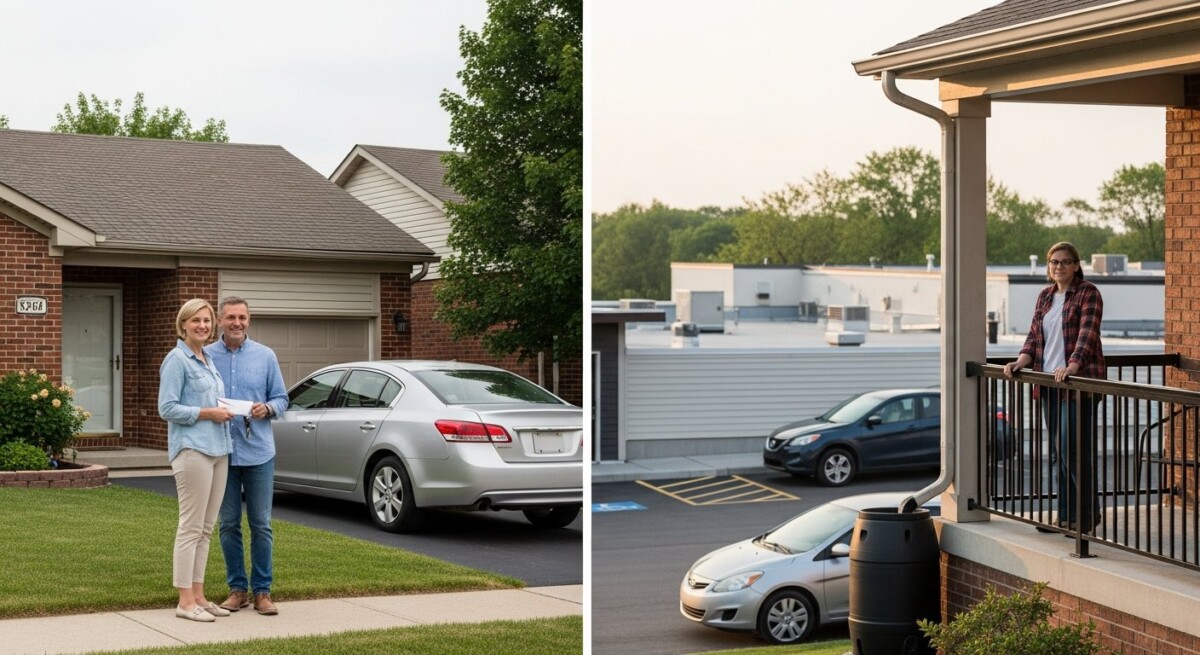
When you rent an apartment or own a house, your auto insurance might feel like a separate bill you simply pay each month. But your living situation and your car coverage are more connected than you think. In fact, the choices you make about where you live can directly affect the price you pay for car insurance, and bundling your policies can unlock savings that many drivers overlook. This guide explores how renters and homeowners can use their housing status to lower their auto insurance costs, avoid common coverage gaps, and protect their finances more completely.
How Your Housing Status Affects Your Auto Insurance Rate
Insurance companies evaluate risk based on many factors, and your housing situation is one of them. Renters and homeowners often see different rates for the same driver profile. Why? Because insurers believe homeowners tend to be more stable, financially responsible, and less likely to file claims. This perception leads to lower premiums for homeowners in many cases. Renters, on the other hand, may face slightly higher rates, but they can still find ways to save.
Your credit score, claims history, and driving record matter more than your housing status, but where you live still plays a role. For example, if you own a home with a garage, your car may be safer from theft and weather damage, which can reduce your comprehensive coverage cost. If you rent and park on the street, your risk profile changes. Understanding this link helps you make smarter decisions about both your home and auto policies.
One key insight is that bundling your renters or homeowners insurance with your auto insurance can produce significant discounts. Many insurers offer a multi-policy discount that ranges from 5% to 25% off both policies. That is not a small amount. Over a year, it could mean hundreds of dollars in savings. In our guide on key tips for renters and homeowners, we explain how to compare these bundle offers effectively.
Why Bundling Auto and Home or Renters Insurance Makes Sense
Bundling means buying two or more insurance policies from the same company. For renters, that could be auto plus renters insurance. For homeowners, it is auto plus homeowners insurance. The main benefit is a discount, but there are other advantages too. You get one bill, one agent, and one app to manage everything. That simplicity alone is worth something, especially when you need to file a claim.
Another benefit is that bundling can improve your coverage. Insurers often provide higher liability limits or lower deductibles when you bundle, because they value your loyalty. You might also earn accident forgiveness faster or access roadside assistance at no extra cost. These extras add real value, but you must read the policy details to know what you are getting.
However, bundling is not always the cheapest option. Sometimes separate policies from different companies cost less, especially if you have a clean driving record and a great credit score. That is why you should compare quotes for both bundled and unbundled scenarios. In our article on smart ways to save on renters and homeowners auto insurance, we break down the math and show you how to spot hidden fees.
What to Look for in a Bundle
Before you commit to a bundle, ask these questions:
- What is the exact multi-policy discount percentage?
- Does the discount apply to both policies or just one?
- Are there any cancellation penalties if you switch later?
- Will your coverage limits stay the same or increase?
- Is there a loyalty discount that grows over time?
The answers will help you decide if bundling is worth it. For example, a 20% discount on a $1,200 annual auto policy saves you $240, but if the homeowners policy is $200 more than a competitor, the net gain shrinks. Always run the numbers with your actual quotes.
Coverage Gaps That Renters and Homeowners Often Miss
Many drivers assume their auto policy covers everything related to their car, and their home or renters policy covers everything inside their home. That is not true. There are several gaps that can leave you paying out of pocket. One major gap is liability coverage for incidents that happen near your home but involve your car. For example, if a guest slips on your driveway and you are sued, your homeowners or renters liability may cover it, but your auto policy might not. On the other hand, if you hit a pedestrian while backing out of your driveway, your auto liability coverage applies, not your home policy.
Another gap is personal property coverage. Your auto policy does not cover items stolen from your car, such as a laptop or golf clubs. That falls under your renters or homeowners personal property coverage, but only if you have it. Many renters skip renters insurance because they think they own nothing valuable, but replacing clothing, furniture, and electronics can cost thousands. Renters insurance is cheap, often less than $15 per month, and it also provides liability coverage for accidents inside your rental unit.
Homeowners face a different gap: coverage for home-based business equipment. If you run a business from home and use your car for deliveries, your personal auto policy may not cover business use. You might need a commercial auto policy or an endorsement. Similarly, expensive tools or inventory in your home may exceed the limits of your homeowners policy. Review both policies side by side to identify these gaps. Our resource on key savings for renters and homeowners offers a checklist for this review.
How to Get the Best Rate as a Renter or Homeowner
Getting the best rate requires more than just accepting the first quote you receive. You need to shop around, compare coverage levels, and ask for discounts. Start by gathering your current declarations page and your home or renters policy. Then, get quotes from at least three insurers, both with and without bundling. Use online comparison tools and talk to a licensed agent who can explain the nuances.
One effective strategy is to raise your deductibles. If you can afford to pay $1,000 or $1,500 out of pocket for a claim, you can lower your premium significantly. Just make sure you have that money saved in an emergency fund. Another strategy is to improve your credit score, because insurers use credit-based insurance scores in most states. Paying down debt and checking your credit report for errors can lead to lower rates.
Also, ask about discounts you might be missing. Many insurers offer discounts for anti-theft devices, defensive driving courses, low mileage, and even being a non-smoker. If you work from home, you may qualify for a low-mileage discount. If you are over 55, some companies offer a mature driver discount. Combine these with a bundle discount, and you could see a substantial reduction. For more ideas, check out our article on key savings tips for renters and homeowners.
Steps to Compare Quotes Effectively
- List your minimum required coverage limits for auto and home or renters.
- Decide on your ideal deductible amount for each policy.
- Request quotes from at least five insurers, including both bundled and unbundled options.
- Compare the total annual cost, not just the monthly payment.
- Check the financial strength ratings of each insurer using A.M. Best or Standard & Poor’s.
Once you have your numbers, look beyond price. A cheap policy with poor customer service can cost you more in the long run if you need to file a claim. Read reviews and ask friends for recommendations. The goal is to find a balance between cost and reliability.
Frequently Asked Questions
Is it cheaper to bundle auto and renters insurance?
In most cases, yes. Insurers offer a multi-policy discount that can reduce your auto insurance by 5% to 25%. However, the discount may not always make the bundle the cheapest option if the base rates are high. Compare bundled and unbundled quotes to be sure.
Does renters insurance cover car damage?
No. Renters insurance covers personal property and liability inside your rental unit, but it does not cover damage to your car. That requires auto insurance. However, if your car is broken into and items are stolen, those items may be covered under your renters personal property coverage, subject to your deductible.
Can I have separate auto and home insurance companies?
Yes, you can. Many drivers choose separate companies to get the best rates for each policy. The downside is you lose the convenience of a single bill and may miss out on a bundle discount. Weigh the savings against the hassle.
Will my auto insurance rate go up if I file a renters claim?
Typically, no. Renters and auto claims are separate. A renters claim for theft or water damage should not affect your auto insurance premium, unless the same insurer underwriting both policies decides to adjust your overall risk profile. In practice, that is rare, but it can happen. Always ask your insurer about their policy.
Final Thoughts on Protecting Your Car and Your Home
Your auto insurance and your home or renters insurance work together to protect your financial life. By understanding how they interact, you can close coverage gaps, qualify for discounts, and avoid surprise bills. Start by reviewing your current policies, then compare quotes with bundling in mind. The effort you put in today can save you hundreds of dollars each year and give you peace of mind knowing you are fully covered.
If you still have questions about what coverage you need, reach out to a licensed insurance agent who can explain your options. And remember, you do not have to settle for the first quote you see. Shopping around is the smartest way to ensure you are getting the best value for your money.