
What Is Permissive Use in Auto Insurance?
Understand permissive use in auto insurance and how it covers occasional drivers. Call (833)-214-7506 for expert guidance on your policy.

By Nyla Kensington
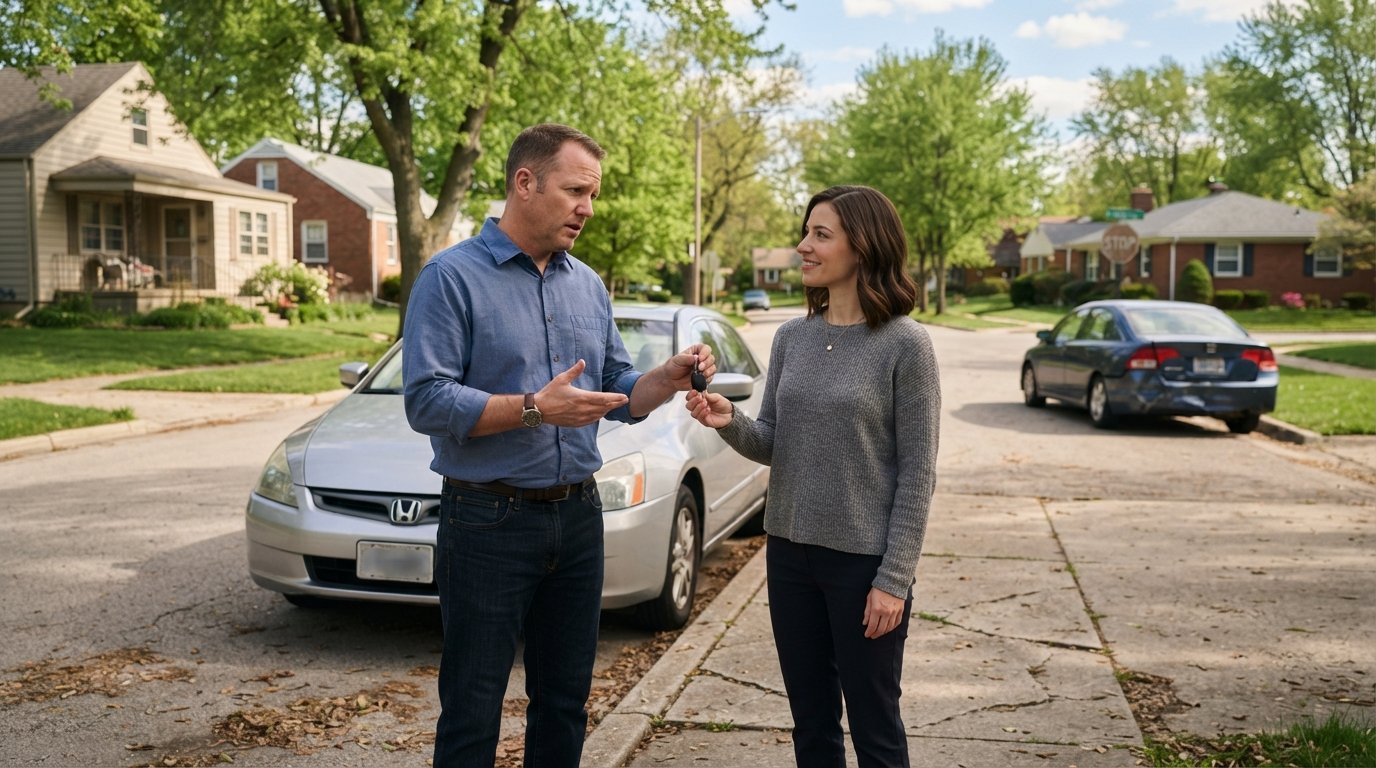
You hand your keys to a friend for a quick errand. They rear-end another car two blocks from your house. Your first thought is not about fault; it is about whether your auto insurance will pay for the damage. The answer often hinges on a concept called permissive use, a standard feature in most personal auto policies that extends your coverage to occasional drivers who borrow your vehicle with your permission.
Understanding what is permissive use in auto insurance matters because it determines who pays when a borrowed car is involved in an accident. Get it right, and a stressful afternoon stays manageable. Get it wrong, and you could face denied claims, out-of-pocket costs, or a dispute with your insurer that drags on for months.
This guide explains how permissive use works, when it applies, when it does not, and how claims are typically handled when someone else is driving your car.
What Is Permissive Use in Auto Insurance?
Permissive use is a provision in a standard personal auto policy that extends your liability, collision, and comprehensive coverage to someone who is not listed on your policy but is driving your car with your express or implied permission. In plain terms, if you lend your car to a friend, a relative visiting from out of town, or a coworker who needs to run an errand, your insurance generally follows the car, not the driver.
The concept rests on the idea that auto insurance is attached to the vehicle as much as it is to the named insured. When you buy a policy, you are insuring your car against risks that include the possibility that another licensed driver might get behind the wheel with your consent. That consent can be explicit (you hand over the keys and say, "Drive carefully") or implied (you leave your car with a valet, or you allow a family member who lives with you to use it regularly).
Permissive use coverage typically applies to the same coverages that would apply if you were driving: bodily injury liability, property damage liability, collision, comprehensive, and any medical payments or personal injury protection coverage on your policy. The limits are the same as your policy limits, not a reduced amount. If you carry $100,000 per person and $300,000 per accident in bodily injury liability, those limits generally apply when a permissive driver causes an accident.
However, permissive use is not unlimited. Insurers expect that the borrower is an occasional driver, not someone who should be listed on the policy. The distinction matters because listed drivers are rated for risk, while permissive drivers are not. If an insurer determines that a borrower was a regular operator of the vehicle, it may deny coverage or rescind the policy for material misrepresentation.
When Permissive Use Applies: Common Scenarios
Permissive use covers a wide range of everyday situations. The common thread is that the vehicle owner voluntarily grants permission, and the driver uses the car for a purpose that falls within the scope of that permission. Here are some typical examples where permissive use usually applies.
- Borrowing for a specific errand: A neighbor asks to borrow your pickup truck to haul furniture across town. You agree, and they get into an accident. Your policy generally responds.
- Family members visiting from out of state: A relative who does not live with you borrows your car while on vacation. As long as they are not a regular resident of your household, permissive use typically applies.
- Valet parking or service station attendants: When you hand your keys to a valet or a mechanic, you are granting implied permission. Your insurance generally covers any damage that occurs while they are driving.
- Emergency situations: If you are incapacitated and someone drives you to the hospital in your car, that is usually considered permissive use, even if you did not explicitly say, "Take my car."
In each of these cases, the driver is not a household member who should have been listed on your policy. They are occasional operators who have your consent. The key is that the permission is temporary and specific to a particular use or time frame.
It is also worth noting that permissive use generally applies regardless of whether the borrower has their own auto insurance. If they do have their own policy, their insurer may share responsibility or be primary in some states, but your policy typically provides coverage as well. The exact order of priority depends on state law and the specific policy language.
When Permissive Use May Not Apply
Permissive use has boundaries. Insurers are not obligated to cover every person who ever gets behind the wheel of your car. Several situations fall outside the scope of permissive use, and understanding them can save you from a denied claim.
Household members and regular drivers. Most policies exclude coverage for family members or other residents of your household who are not listed on the policy. The reasoning is simple: insurers expect you to list everyone who lives with you and drives your car regularly so they can be rated properly. If your spouse, child, or roommate drives your car and is not on the policy, the insurer may deny a claim or treat the omission as misrepresentation.
Drivers with a suspended or revoked license. If you lend your car to someone who does not have a valid driver's license, most policies will not extend coverage. Permissive use assumes the borrower is legally permitted to drive. Allowing an unlicensed driver to use your car can also expose you to personal liability.
Intentional or criminal acts. If the borrower uses your car to commit a crime, or if they intentionally cause damage, permissive use coverage will not apply. Standard auto policies exclude intentional acts and criminal activity.
Use outside the scope of permission. If you lend your car to a friend for a trip to the grocery store and they instead drive it across state lines for a weekend getaway, that may fall outside the scope of your permission. The insurer could deny coverage if the use was materially different from what you authorized.
Commercial use. If the borrower uses your personal vehicle for business purposes, such as delivering pizzas or driving for a rideshare service, permissive use may not apply. Personal auto policies typically exclude commercial use, and you may need a commercial or rideshare endorsement for that kind of exposure.
How Claims Work When a Permissive Driver Borrows Your Car
When a permissive driver is involved in an accident, the claims process generally follows the same path as if you had been driving. You report the accident to your insurer, provide the driver's information, and the insurer investigates. The key difference is that the insurer will also examine whether the driver had permission and whether any exclusions apply.
Here is a typical sequence of events for a permissive use claim.
- Report the accident promptly. Notify your insurer as soon as possible. Provide the name, contact information, and driver's license number of the person who was driving. Be honest about the circumstances.
- Cooperate with the investigation. The insurer may interview the driver, review the police report, and check whether the driver is a household member or regular user of the vehicle.
- Determine coverage and fault. If the driver had permission and no exclusions apply, the insurer will typically cover the claim up to your policy limits. Fault is determined based on state law and the facts of the accident.
- Pay the claim and adjust your premium. A covered claim will be paid, but it may affect your premium at renewal. Some insurers offer accident forgiveness or a first-accident waiver, but these vary by company and state.
One important nuance: if the permissive driver has their own auto insurance, their policy may be primary in some states, meaning their insurer pays first and yours pays only after their limits are exhausted. In other states, your policy is primary. The rules vary, so it is worth understanding how your state handles this. In our guide on auto insurance for renters and homeowners, we explain how bundling can simplify coverage and close gaps that might otherwise leave you exposed when a borrower is involved in an accident.
If you are unsure whether a claim will be covered, it is wise to consult with a licensed insurance professional. NewAutoInsurance.com connects consumers with licensed agents who can explain policy language and help you understand your options. There is no obligation to buy, and the goal is to give you clear information so you can make confident decisions.
Permissive Use vs. Adding a Driver to Your Policy
Permissive use is convenient, but it is not a substitute for adding a regular driver to your policy. If someone lives with you and drives your car frequently, most insurers require that they be listed as a rated driver. Failing to do so can lead to denied claims, policy cancellation, or even allegations of fraud.
So when should you add a driver instead of relying on permissive use? Consider these guidelines.
- Add them if they live with you. Household members, including spouses, children, roommates, and extended family, should generally be listed on your policy if they drive your car regularly.
- Add them if they drive your car more than occasionally. If a friend or relative uses your car several times a month or for extended periods, the insurer may consider them a regular driver.
- Add them if they have a poor driving record. While this may increase your premium, it is better than risking a denied claim. Some insurers offer exclusions for specific drivers, but those must be approved by the state and agreed to in writing.
- Consider a named driver exclusion. If you want to lend your car to someone with a risky driving history, some states allow you to exclude them from coverage. That means your policy will not pay if they cause an accident, so think carefully before choosing this option.
Adding a driver to your policy is usually straightforward. You provide their name, license number, and driving history, and the insurer adjusts your premium. The increase is often less than you might expect, especially if the driver has a clean record. And the peace of mind is worth it: you know the claim will be covered if they have an accident.
If you are struggling to afford auto insurance premiums, whether because of a poor credit history or a past bankruptcy, there are options. StartAutoLoan is an independent online platform that connects consumers with auto loan financing options, including for those who have faced rejection from traditional lenders. While it focuses on financing rather than insurance, it can help you get behind the wheel so you can then focus on finding the right coverage.
State Variations and Policy Language
Permissive use is not a one-size-fits-all concept. State laws and individual policy language can change how it applies. Some states have specific statutes that govern permissive use, while others rely on case law. Some policies define permissive use narrowly, excluding certain family members or requiring that the driver be listed. Others are broader.
For example, some policies include a step-down provision that reduces coverage limits for permissive drivers who are not listed on the policy. That means if you carry $100,000 in liability coverage, a permissive driver might only have $25,000 in coverage, leaving you exposed for the rest. Other policies treat permissive drivers the same as named insureds, with no step-down.
It is also important to understand that permissive use typically applies only to the vehicle listed on your policy. If you lend your car to someone and they let another person drive it, that second borrower may not be covered. The permission must come from you or someone with authority to grant it.
To avoid surprises, read your policy carefully or ask a licensed agent to explain the permissive use provision. NewAutoInsurance.com offers educational resources and can connect you with agents who can answer your questions. Remember that NewAutoInsurance.com is not an insurance carrier or broker; it is an independent resource that helps consumers compare options and make informed decisions. Some agents may pay a fee to be promoted, and any such promotions should be considered advertising.
Practical Tips for Protecting Yourself
Permissive use is a valuable feature, but it is not a free pass. A few simple habits can help you avoid problems and keep your coverage intact.
Know who is driving. Before you lend your car, confirm that the person has a valid license and is not a household member who should be on your policy. If they are a regular driver, add them formally.
Set clear expectations. When you lend your car, specify the purpose and time frame. Avoid open-ended permission that could be interpreted as allowing regular use.
Review your policy limits. If you have minimum limits, consider raising them. A serious accident involving a permissive driver can quickly exceed low limits, leaving you personally responsible for the excess. Higher limits cost more, but they provide a crucial safety net.
Consider an umbrella policy. If you have significant assets, an umbrella policy can provide additional liability coverage beyond your auto policy limits. It is often inexpensive for the amount of protection it offers.
Document your permission. While not always necessary, a text or email granting permission can help establish that the driver had your consent. This can be useful if the insurer questions whether the use was permissive.
Finally, if you are unsure about your coverage, reach out to a licensed agent. NewAutoInsurance.com can help you get quotes and compare options from multiple carriers. There is no obligation to buy, and the service is free to use. Call 833-214-7506 to speak with a licensed agent about your auto insurance needs.
Permissive use is one of those quiet features of auto insurance that most drivers never think about until they need it. By understanding how it works, when it applies, and when it does not, you can lend your car with confidence and know that your coverage will be there if the unexpected happens.