
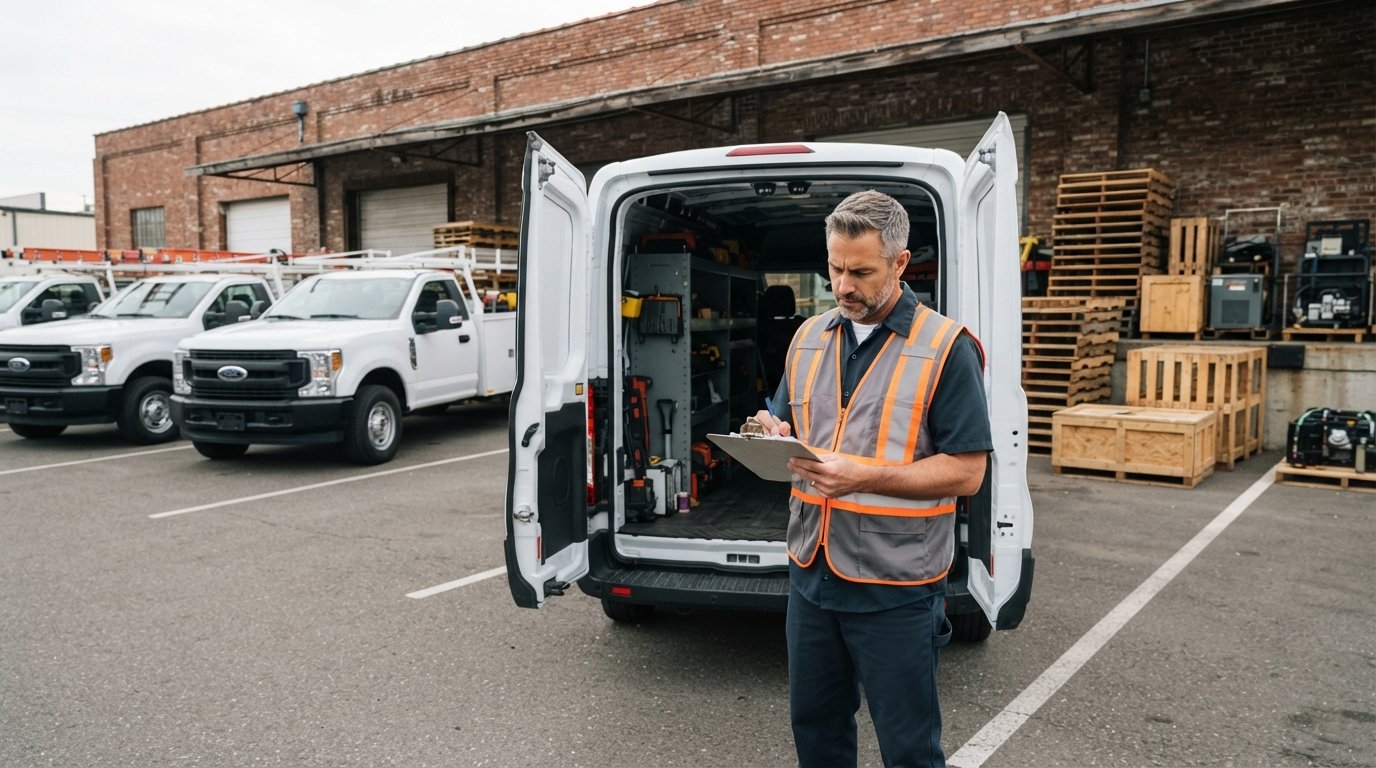
Specialized Insurance for Commercial Vehicles: Business Guide
Specialized insurance for commercial vehicles used for business protects your assets and keeps operations running. Call (833)-214-7506 to compare quotes today.

Your business vehicle is more than a way to get from point A to point B. It is a revenue-generating asset, a rolling billboard, and a potential liability exposure all at once. When a vehicle is used for business purposes, a personal auto policy almost never provides the protection you need. That gap can cost a small business owner tens of thousands of dollars after a single accident. Specialized insurance for commercial vehicles used for business is designed to close that gap, but the market is crowded with options, endorsements, and fine print that can confuse even experienced fleet managers.
This guide breaks down the coverage types that matter, the rating factors that drive your premium, and the practical steps you can take to control costs without sacrificing protection. Along the way, you will see how an independent comparison resource like NewAutoInsurance.com can connect you with licensed agents who specialize in commercial auto policies. Whether you run a single delivery van or a small fleet of service trucks, understanding the distinction between personal and commercial coverage is the first step toward protecting your business.
Personal Auto vs. Commercial Auto: Why the Distinction Matters
The most common and costly mistake business owners make is assuming a personal auto policy will cover a vehicle used for work. Personal policies are priced around private passenger use: commuting, errands, and occasional pleasure driving. They include exclusions for business use, and insurers can deny a claim if they discover the vehicle was being used for commercial purposes at the time of loss. That denial can leave you personally responsible for damages, medical bills, and legal defense costs.
Commercial auto insurance is a separate policy class built for vehicles used in business operations. It typically covers higher liability limits, larger vehicles, and multiple drivers. It also addresses exposures that personal policies ignore, such as cargo theft, hired vehicles, and employee driving. The distinction is not just about the policy label; it reflects how the vehicle is used, who drives it, and what the business stands to lose if the vehicle is out of service.
For a deeper look at how commercial auto coverage scales across multiple vehicles, see our guide on fleet insurance for commercial fleets. That resource explains how fleet policies aggregate vehicles, drivers, and schedules under a single program, which is often more efficient than insuring each vehicle separately.
If you are unsure whether your vehicle qualifies as commercial, consider these common triggers:
- The vehicle is titled in the business name or used primarily for business errands, deliveries, or client visits.
- You carry tools, equipment, or cargo that belongs to the business.
- Employees other than you drive the vehicle.
- You use the vehicle for ride-hailing, courier work, or contracted services.
- The vehicle's gross weight exceeds personal auto thresholds (often 10,000 pounds or more).
Any one of these factors can push a vehicle into commercial territory. Insurers evaluate not just the vehicle type but the nature of the business use, so a pickup truck used to haul landscaping equipment is rated differently from the same truck used only for commuting. Misclassifying a vehicle can lead to claim denials, policy cancellations, or worse, personal liability for a business-related accident.
Core Coverage Types for Business Vehicles
Specialized insurance for commercial vehicles used for business is not a single product; it is a bundle of coverage parts that can be tailored to your operation. The right mix depends on your industry, your vehicles, and your risk tolerance. Most commercial auto policies start with liability and physical damage coverage, then add endorsements for cargo, hired and non-owned vehicles, and other business-specific exposures.
Here are the coverage types business owners most often need:
- Commercial liability: Covers third-party bodily injury and property damage when your business vehicle causes an accident. Limits are typically higher than personal policies, often starting at $1 million combined single limit for businesses with significant assets.
- Collision coverage: Pays to repair or replace your vehicle after a collision with another object or vehicle, regardless of fault. Essential for vehicles with loan or lease obligations.
- Comprehensive coverage: Covers non-collision losses such as theft, fire, vandalism, hail, and flooding. Particularly important for vehicles parked overnight in high-crime areas or exposed to weather.
- Cargo coverage: Protects the goods or equipment you transport. A delivery service, contractor, or wholesaler may carry cargo worth more than the vehicle itself.
- Hired and non-owned auto (HNOA): Covers liability when employees drive rental cars or their personal vehicles for business errands. This is one of the most overlooked coverages for small businesses.
Beyond these basics, specialized policies may include roadside assistance, rental reimbursement, and uninsured/underinsured motorist coverage. Some industries require additional endorsements, such as pollution liability for contractors or reefer breakdown coverage for refrigerated transport. The key is to match coverage to actual exposure rather than buying a generic package that leaves gaps or overpays for protection you do not need.
If your business also involves personal vehicles used for work, consider how those vehicles are titled and insured. A vehicle used for business but titled personally may still need a commercial policy if the business use is regular and material. An independent agent can help you sort through the classification rules, which vary by insurer and state.
Factors That Drive Commercial Auto Rates
Commercial auto premiums are priced around risk, and risk looks different for every business. Insurers evaluate a combination of vehicle, driver, and operational factors when setting rates. Understanding these factors helps you anticipate costs and identify opportunities to lower them.
Vehicle type and value are primary rating factors. A heavy-duty truck, a van with specialized equipment, or a vehicle with a high replacement cost will cost more to insure than a standard sedan. Insurers also consider the vehicle's safety features, such as collision avoidance systems, airbags, and anti-theft devices. Vehicles used for long-haul transport or hazardous materials hauling carry higher rates than local delivery vehicles.
Business use is another major factor. A contractor who drives to job sites within a 50-mile radius poses a different risk than a courier who logs 1,000 miles a week in dense traffic. Insurers ask about radius of operation, annual mileage, and the nature of the cargo or equipment carried. Businesses that transport passengers, such as shuttle services or rideshare operators, face higher rates due to increased liability exposure.
Driving records matter as much for commercial policies as for personal ones. Insurers review the motor vehicle records of all listed drivers, including owners and employees. A single at-fault accident or moving violation can increase premiums, and multiple violations may make a business uninsurable with some carriers. Many commercial policies include driver eligibility requirements, such as minimum age and clean driving history, that business owners must enforce.
Other factors include the business's claims history, the number of years in operation, and the policy's coverage limits and deductibles. A business with a strong safety record and a long history with a carrier may qualify for credits, while a new venture with no loss history may pay more until it establishes a track record.
Strategies to Lower Commercial Auto Premiums
Commercial auto insurance is a necessary cost of doing business, but it is not a fixed cost. Business owners who take a proactive approach to risk management often pay less than those who simply renew the same policy year after year. The following strategies can help you control premiums without cutting essential coverage.
First, implement a formal safety program. Insurers reward businesses that demonstrate a commitment to safe driving. A written safety policy, regular driver training, and a process for checking motor vehicle records can reduce claims and may qualify you for credits. Some carriers offer discounts for telematics programs that monitor driving behavior, and the data can also help you coach drivers and identify problem areas before they become claims.
Second, review your coverage limits and deductibles annually. Higher deductibles lower premiums, but you must be able to absorb the out-of-pocket cost if a claim occurs. Similarly, increasing liability limits costs more, but the protection is often worth it for businesses with significant assets. An independent agent can help you find the right balance.
Third, bundle commercial auto with other business policies. Many insurers offer a business owner's policy (BOP) that combines general liability, property, and auto coverage at a package rate. Bundling can produce meaningful savings and simplify administration. If you also have personal auto or homeowners coverage, some carriers offer multi-policy discounts that extend to commercial lines.
Fourth, consider usage-based or pay-per-mile programs for low-mileage vehicles. If your business vehicles are used infrequently or only seasonally, a usage-based policy may cost less than a traditional policy. These programs are becoming more common in the commercial market, particularly for service businesses with predictable routes.
Finally, shop the market periodically. Commercial auto rates vary significantly between carriers, and a policy that was competitive three years ago may no longer be. An independent comparison resource like NewAutoInsurance.com can help you gather quotes from multiple licensed agents without the hassle of contacting each insurer individually. The site is not an insurance carrier or broker; it connects business owners with agents who can provide personalized quotes and explain the trade-offs between coverage options.
If you are also managing personal vehicle costs, resources like CarLoanRefinancing.com offer educational guides and calculators that can help you evaluate refinancing options for your auto loans. Lowering your loan payments can free up cash flow for insurance and other business expenses.
How NewAutoInsurance.com Can Help You Compare Specialized Quotes
Finding the right specialized insurance for commercial vehicles used for business requires more than a quick online quote. It requires a conversation with an agent who understands your industry, your vehicles, and your operational risks. NewAutoInsurance.com is an independent online resource that provides consumer guidance, comparisons, and educational content for vehicle owners and drivers in the United States. The site is not an insurance carrier or broker, and it does not sell policies directly. Instead, it connects users with licensed insurance agents who can provide personalized quotes.
The process is straightforward. You share details about your business, vehicles, and drivers, and the site helps you access agents who specialize in commercial auto coverage. There is no obligation to purchase a policy, and the service is designed to be fast and easy. For business owners who are unsure where to start, the site's educational articles and FAQs explain coverage types, discounts, and common pitfalls. You can also call 833-214-7506 to speak with a representative who can guide you through the options.
Because NewAutoInsurance.com is independent, it does not favor one carrier over another. That independence matters when you are comparing specialized policies, because the right carrier for a landscaping business may be different from the right carrier for a delivery fleet. The site's goal is to help you make an informed decision, not to push a particular product.
Before you request quotes, gather the following information to speed up the process:
- Vehicle identification numbers (VINs) and details for each vehicle, including year, make, model, and gross vehicle weight rating.
- Driver information for all employees who will operate the vehicles, including license numbers and driving records.
- A description of your business operations, including radius of travel, cargo type, and annual mileage estimates.
- Your current policy declarations page, if you have one, to compare coverage limits and deductibles.
- Loss history for the past three to five years, including any claims or accidents.
Having this information ready allows agents to provide accurate quotes and reduces the back-and-forth that can delay coverage. It also helps you compare apples to apples when evaluating proposals from different carriers.
Common Mistakes to Avoid When Insuring Business Vehicles
Even experienced business owners can stumble when insuring commercial vehicles. One common mistake is underinsuring liability. Businesses with significant assets or high-risk operations should carry limits well above the state minimum. A serious accident can result in a judgment that exceeds a low-limit policy, putting personal and business assets at risk.
Another mistake is failing to list all drivers. Some business owners assume that any employee with a valid license is covered, but commercial policies require all regular drivers to be listed. An unlisted driver may not be covered in an accident, and the insurer may deny the claim or cancel the policy. Similarly, failing to update the policy when adding vehicles or drivers can create coverage gaps.
Business owners also sometimes overlook hired and non-owned auto coverage. If an employee runs an errand in a personal vehicle or a rental car and causes an accident, the business can be held liable. HNOA coverage fills that gap for a relatively low cost. Without it, the business may have to pay out of pocket for damages and legal defense.
Finally, some business owners focus only on price and choose a policy with inadequate coverage or a carrier with poor claims service. The cheapest policy is not always the best value. A low premium may come with high deductibles, narrow coverage, or a carrier that is slow to pay claims. Reading the policy and asking questions about claims handling can save you from unpleasant surprises later.
Final Thoughts on Protecting Your Business Vehicles
Specialized insurance for commercial vehicles used for business is a critical layer of protection for any company that relies on vehicles to operate. The right policy does more than satisfy legal requirements; it protects your assets, your employees, and your ability to keep serving customers after an accident. By understanding the difference between personal and commercial coverage, identifying the coverage types your business needs, and taking steps to manage risk, you can control costs and avoid gaps that could jeopardize your livelihood.
NewAutoInsurance.com offers a no-pressure way to explore your options and connect with licensed agents who specialize in commercial auto policies. Whether you are insuring your first work vehicle or reviewing coverage for an established fleet, the site's educational resources and quote comparison service can help you make a confident decision. Take the time to review your coverage annually, ask questions, and compare quotes from multiple agents. Your business depends on those vehicles, and the right insurance program helps ensure they stay on the road.