
Navigating Auto Insurance in Utah: Laws, Costs, and Savings
Understand Utah’s unique no-fault insurance laws and learn how to secure optimal coverage. For personalized guidance, call 833-214-7506.

By Tamsin Reed
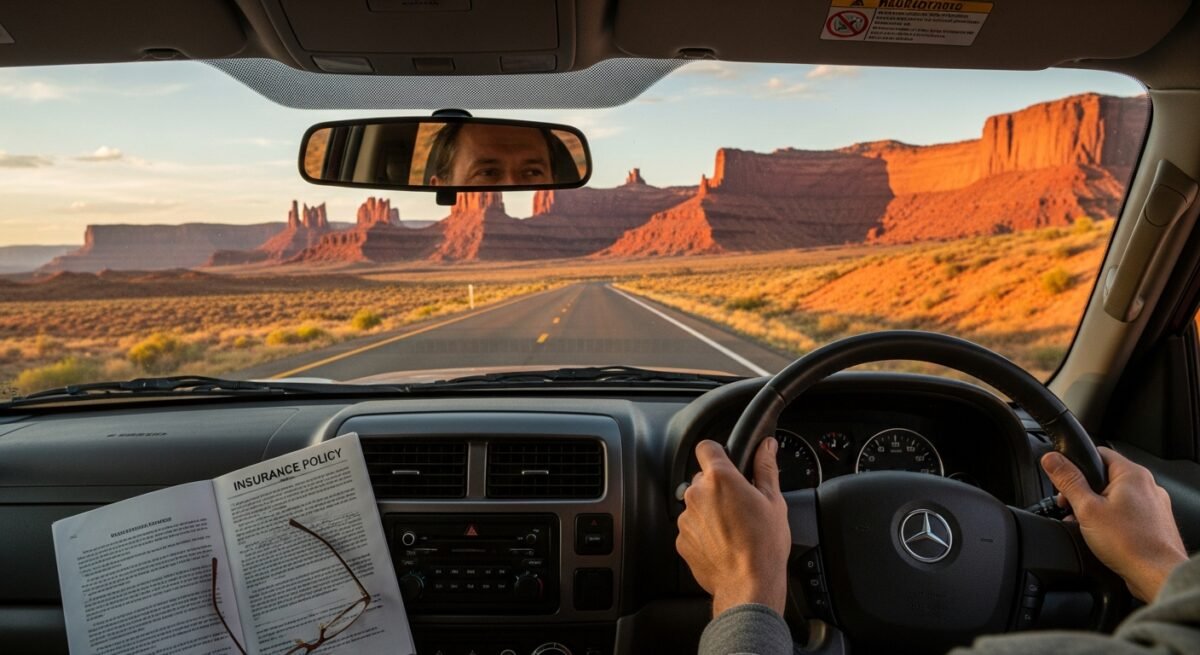
Driving through Utah’s stunning landscapes, from the red rocks of Moab to the powdery slopes of the Wasatch Range, comes with a unique set of responsibilities. Understanding auto insurance in Utah is not just about fulfilling a legal requirement, it’s about crafting a financial safety net tailored to the state’s specific roads, weather, and laws. Whether you’re a new resident in Salt Lake City, a student in Provo, or a long-time driver in St. George, navigating the intricacies of Utah’s insurance landscape is key to protecting yourself, your passengers, and your assets without overpaying. This guide delves into the essential components, from mandatory minimums to strategic coverage choices, helping you make informed decisions for your peace of mind on every journey.
Utah’s Auto Insurance Laws and Minimum Requirements
Utah operates under a “no-fault” insurance system for bodily injury claims. This means that if you are injured in a car accident, your own insurance policy will cover your initial medical expenses and lost wages up to a certain limit, regardless of who caused the crash. This system is designed to reduce litigation and ensure prompt payment for medical care. However, Utah’s no-fault system has a critical threshold for lawsuits. You can only step outside the no-fault system and sue the at-fault driver for pain and suffering if your injuries meet a specific severity level, such as significant disfigurement, disability, or medical expenses exceeding a certain amount.
To legally drive in Utah, you must carry minimum liability coverage. These limits are set by state law and represent the bare minimum financial protection you must have. The current required minimums are often expressed as 25/65/15. This breaks down to $25,000 for bodily injury per person, $65,000 for total bodily injury per accident if multiple people are hurt, and $15,000 for property damage you cause to someone else’s vehicle or property. It is crucial to understand that these are only the minimums. In a serious accident, especially one involving multiple vehicles or severe injuries, these amounts can be exhausted quickly, potentially leaving you personally liable for any remaining costs. Evaluating your personal assets and risk is essential when deciding if minimum coverage is sufficient for your situation.
Essential and Recommended Coverage Options
Beyond the state-mandated liability and personal injury protection (PIP), several other coverage types are vital for comprehensive protection. Collision coverage pays for damage to your own vehicle resulting from a crash with another car or object, like a guardrail or tree. Comprehensive coverage handles damage from non-collision events, which are highly relevant in Utah. This includes theft, vandalism, fire, hail, flooding, and notably, collisions with animals. Given Utah’s abundant wildlife, from deer to elk, comprehensive coverage is a highly recommended safeguard.
Uninsured/Underinsured Motorist (UM/UIM) coverage is another critical component. This protects you if you’re hit by a driver who has no insurance or whose policy limits are too low to cover your damages. Despite laws requiring insurance, many drivers remain uninsured. UM/UIM can cover medical bills, lost wages, and pain and suffering that the at-fault driver cannot. Given the potential financial devastation of such an event, this coverage is strongly advised. For a deeper look at how coverage needs differ for business purposes, our resource on finding the best commercial auto insurance explores policies for company vehicles.
Factors Influencing Auto Insurance Rates in Utah
Insurance companies use a complex algorithm to determine your premium, assessing how much risk you present as a driver. Your driving record is the most significant personal factor. Tickets, at-fault accidents, and DUIs will substantially increase your costs for several years. Your age and experience also play a major role, with young, inexperienced drivers typically facing the highest premiums. Where you live within Utah matters greatly. Urban areas like Salt Lake City, West Valley City, and Provo generally have higher rates due to increased traffic density, higher accident rates, and greater incidence of theft and vandalism compared to rural areas.
The vehicle you drive directly impacts your premium. Insurers consider the car’s make, model, year, safety ratings, repair costs, and likelihood of theft. A brand-new luxury SUV will cost far more to insure than a mid-range sedan with top safety scores. Your annual mileage is another key input, as more time on the road correlates with a higher accident probability. Finally, your credit-based insurance score, which is legal for insurers to use in Utah, can affect your rate. Insurers statistically correlate higher credit scores with fewer insurance claims. Understanding these factors can help you identify areas where you might improve your risk profile over time.
Strategies for Lowering Your Insurance Premiums
While some factors are fixed, many are within your control. Proactively managing your policy can lead to significant savings. The most straightforward method is to shop around and compare quotes from multiple insurers. Rates can vary dramatically for the same driver and vehicle profile. You should obtain new quotes every 1-2 years to ensure you are getting a competitive rate. Another powerful tool is to increase your deductibles, the amount you pay out-of-pocket before insurance kicks in. Opting for a higher deductible on your comprehensive and collision coverage can lower your premium, but you must ensure you have the savings to cover that deductible if needed.
Insurance companies offer a variety of discounts that can add up. Common discounts include multi-policy (bundling auto with home or renters insurance), multi-vehicle, good student, safe driver, pay-in-full, and paperless billing discounts. You can also often get a discount for completing a defensive driving course. Installing anti-theft devices or using a telematics program that monitors your driving habits (like smooth braking and limited late-night driving) can also qualify you for lower rates. Simply asking your insurer for a list of all available discounts is a smart step.
Handling Claims and Accidents in Utah
Knowing what to do immediately after an accident in Utah can protect your safety and strengthen your insurance claim. First, ensure everyone’s safety. Move vehicles out of traffic if possible and turn on hazard lights. Check for injuries and call 911 immediately if anyone is hurt. Even for minor fender-benders, it is advisable to call the police to file an official report, as this document is invaluable for the claims process. Exchange information with all other drivers involved, including names, addresses, phone numbers, driver’s license numbers, license plate numbers, and insurance details. Gather contact information from any witnesses as well. Use your smartphone to take comprehensive photos of the accident scene from multiple angles, showing vehicle positions, damage, license plates, road conditions, traffic signs, and any visible injuries.
Notify your insurance company of the accident as soon as possible, even if you are not at fault. Be factual and avoid admitting fault or making speculative statements. Your insurer will guide you through the next steps, which may include getting a repair estimate from a network shop or having an adjuster assess the damage. Under Utah’s no-fault system, you will file a claim with your own insurer for your medical expenses up to your PIP limit. For vehicle damage, you would typically file a claim against the at-fault driver’s property damage liability coverage. The process can be complex, which is why understanding your policy details beforehand is so important. For a comparison with another state’s unique system, you can review our guide on understanding Michigan auto insurance and its distinct requirements.
Frequently Asked Questions About Utah Auto Insurance
Is Utah a no-fault state for auto insurance?
Yes, Utah is a no-fault state for bodily injury. Your own insurance pays for your medical expenses after an accident up to your PIP limit, regardless of fault. You can only sue for pain and suffering if your injuries meet a specific legal threshold of severity.
What happens if I drive without insurance in Utah?
Driving without the required minimum insurance is illegal. Penalties can include fines, driver’s license suspension, vehicle registration suspension, and the requirement to file an SR-22 certificate (proof of financial responsibility) for three years, which leads to much higher insurance premiums.
How much PIP coverage do I need in Utah?
Utah requires a minimum of $3,000 in Personal Injury Protection (PIP) coverage. This covers medical expenses, lost wages, and essential services. You can, and often should, purchase higher PIP limits for better protection, as $3,000 can be exhausted very quickly after even a moderate accident.
Does my insurance cover rental cars in Utah?
This depends on your policy. Your own collision and comprehensive coverage often extend to rental cars, but you should confirm with your insurer before you rent. The rental company will also offer its own insurance, which may be redundant if you have adequate coverage on your personal policy.
Will my rates go up after a not-at-fault accident?
In Utah, by law, your insurance rates cannot be increased solely because you were involved in an accident where you were not at fault. However, if you have multiple not-at-fault claims, an insurer might still view you as a higher risk.
Securing the right auto insurance in Utah is a balance of legal compliance, financial prudence, and personal risk management. By moving beyond the bare minimums, understanding the factors that affect your premium, and actively seeking discounts, you can build a policy that offers robust protection as you navigate the state’s diverse driving environments. Regularly reviewing your coverage ensures it evolves with your life circumstances, vehicle changes, and financial goals. With the right knowledge and a proactive approach, you can drive Utah’s scenic byways and bustling city streets with confidence, knowing you are well-protected.