
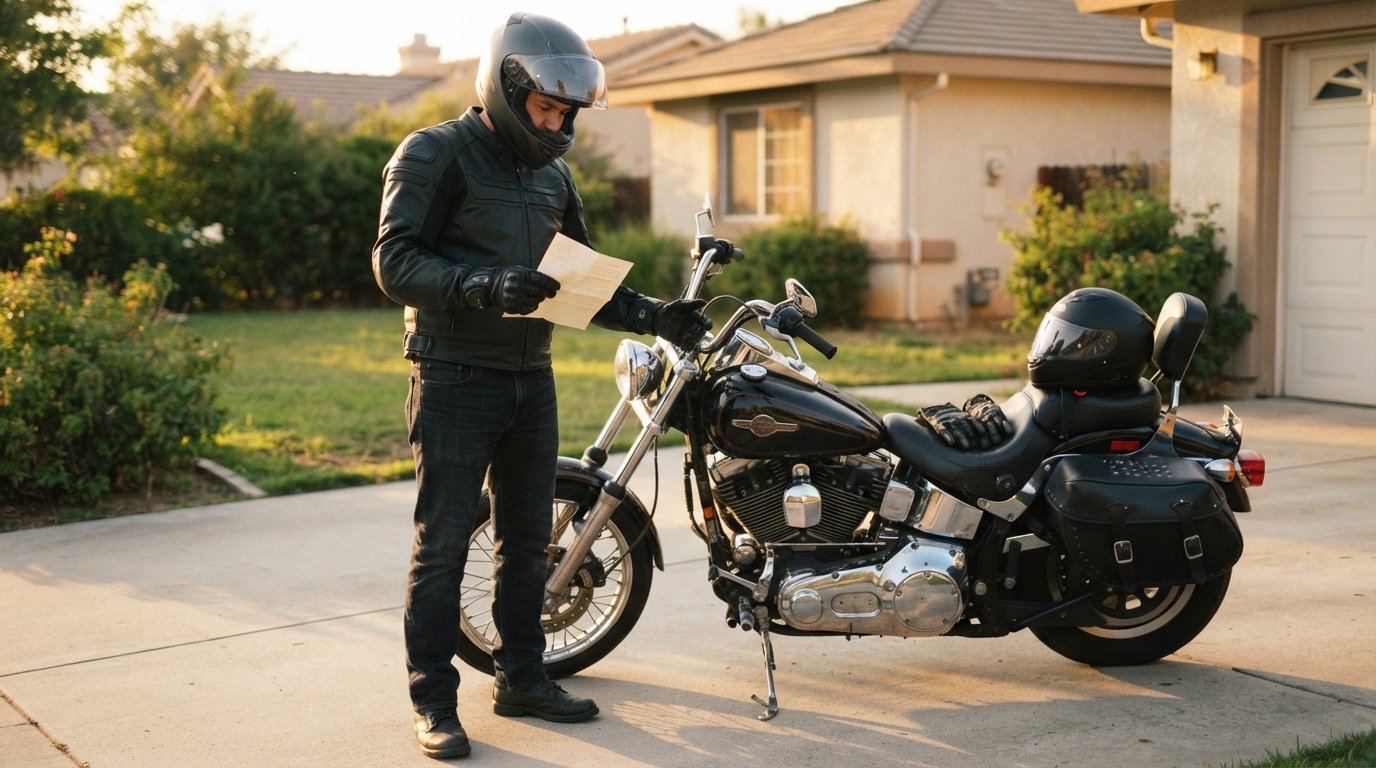
Motorcycle Insurance Coverage and Costs: A Rider's Guide
Understand motorcycle insurance coverage and costs, from liability to custom parts, and learn how to lower your premium with smart discounts and comparisons.
By nmsubho Contributor
Riding a motorcycle offers a sense of freedom that few other vehicles can match, but that freedom comes with financial risk. A single accident can lead to thousands of dollars in medical bills, repair costs, or legal liability. Understanding motorcycle insurance coverage and costs is essential for protecting yourself without overpaying. Whether you ride a cruiser, sportbike, or touring model, the right policy balances robust protection with a premium that fits your budget. This guide breaks down what each coverage type does, how insurers calculate your rate, and practical steps to lower your costs while keeping adequate protection.
Why Motorcycle Insurance Is Different from Car Insurance
Motorcycle insurance shares some similarities with auto insurance, but there are important differences. Because motorcycles are smaller, less visible, and offer less physical protection, riders face a higher risk of injury in a crash. Insurers price motorcycle policies accordingly, which often means higher premiums for collision and medical payments coverage compared to a standard passenger car. Additionally, motorcycle policies frequently include specialized coverage for custom parts, safety gear, and seasonal usage that you will not find on a typical auto policy.
Another key difference is that many states require motorcyclists to carry liability insurance, but the minimum limits are often lower than what you would need to fully protect your assets. For example, some states require only $25,000 per person for bodily injury, which can be exhausted quickly after a serious accident. As an independent educational resource, NewAutoInsurance.com helps riders compare these state requirements and understand how to close coverage gaps, including how to coordinate renters and homeowners auto insurance coverage if you bundle your motorcycle with other policies.
Core Motorcycle Insurance Coverage Types
Motorcycle insurance is typically sold as a package of separate coverages. Each one addresses a specific risk, and you can often customize the limits to match your needs. The core coverages include:
- Bodily injury liability: Pays for injuries you cause to others in an accident, including medical expenses and legal fees.
- Property damage liability: Covers damage you cause to another person's vehicle or property.
- Collision: Reimburses repairs to your motorcycle if you hit another object or vehicle, regardless of fault.
- Comprehensive: Covers theft, vandalism, fire, weather damage, and other non-collision events.
- Medical payments or personal injury protection (PIP): Pays for your own medical care after a crash, regardless of who was at fault.
- Uninsured/underinsured motorist (UM/UIM): Protects you if you are hit by a driver with no insurance or insufficient limits.
Beyond these basics, many insurers offer optional add-ons such as custom parts and equipment coverage, roadside assistance, and trip interruption. Custom parts coverage is especially valuable if you have upgraded your exhaust, handlebars, or paint. Without it, a standard policy might only pay for the original factory parts, leaving you to cover the difference out of pocket. Roadside assistance can be a lifesaver if you break down miles from home, covering towing and battery jumps. Trip interruption may reimburse lodging and transportation if your bike is disabled far from your residence.
How Insurers Calculate Your Motorcycle Premium
Motorcycle insurance costs vary widely based on a combination of rider, vehicle, and location factors. Insurers use actuarial data to predict the likelihood of a claim, and they assign rates accordingly. Understanding these factors helps you see where you might be able to reduce your premium. The most common rating variables include:
- Riding experience and age: New riders and those under 25 typically pay more because they have less experience and statistically file more claims.
- Type of motorcycle: Sportbikes and high-performance models often cost more to insure than cruisers or touring bikes because they are associated with higher speeds and more severe accidents.
- Engine size: Larger engines generally mean higher premiums, as they can cause more damage in a collision.
- Location: Urban areas with heavy traffic and high theft rates usually have higher premiums than rural areas.
- Driving record: At-fault accidents, speeding tickets, and DUI convictions can significantly increase your rate.
- Credit history: In most states, insurers use credit-based insurance scores to predict claim risk. A poor score can raise your premium.
- Coverage limits and deductibles: Higher limits and lower deductibles increase your premium, while the opposite reduces it.
- Usage: If you ride only seasonally or put low annual mileage on your bike, you may qualify for lower rates.
Because these factors interact, two riders with the same bike can pay very different premiums. That is why comparison shopping is so valuable. Getting quotes from multiple licensed agents allows you to see how each insurer weighs your personal profile. NewAutoInsurance.com connects you with agents who can provide tailored quotes, helping you find the best combination of price and protection without obligation to purchase.
Average Motorcycle Insurance Costs and What Drives Them
According to industry data, the average annual motorcycle insurance premium in the United States ranges from about $300 to $1,000 for a standard policy with liability, collision, and comprehensive coverage. However, this range is broad because costs depend heavily on the factors mentioned above. For example, a 22-year-old rider on a new sportbike in a large city might pay $1,800 or more per year, while a 45-year-old rider with a clean record on a cruiser in a rural area might pay $350. Liability-only policies can be as low as $100 to $200 annually, but they leave your own bike and medical bills unprotected.
To give you a clearer picture, here are some typical annual premium ranges based on rider profiles (these are illustrative and not quotes):
- Young novice rider (under 25, sportbike, urban): $1,200 to $2,500
- Experienced rider (35-50, cruiser, suburban): $400 to $800
- Mature rider (55+, touring bike, rural): $250 to $500
- High-risk rider (DUI or multiple accidents): $1,500 to $3,500+
These figures are for full coverage. If you choose liability only, you can cut the premium by 40 to 60 percent, but you accept the risk of paying for your own repairs or replacement. Many riders find that a middle ground, such as carrying liability, comprehensive, and a higher deductible on collision, offers a good balance. Your licensed agent can help you run different scenarios to see how changes affect your rate.
Ways to Lower Your Motorcycle Insurance Costs
You do not have to accept a high premium as inevitable. There are several proven strategies to reduce what you pay while maintaining solid coverage. Start by asking your agent about every discount for which you might qualify. Common discounts include:
- Multi-policy bundling: Combining your motorcycle with auto, home, or renters insurance can save you 10 to 25 percent.
- Safety course discount: Completing a Motorcycle Safety Foundation (MSF) course often earns a 5 to 15 percent discount.
- Loyalty discount: Staying with the same insurer for multiple years can reduce your rate.
- Paid-in-full discount: Paying your annual premium upfront instead of monthly can save you 5 to 10 percent.
- Low mileage discount: If you ride fewer than a certain number of miles per year, you may qualify for a reduced rate.
- Garaging discount: Parking your bike in a locked garage or secure storage can lower theft risk and your premium.
Another effective approach is to raise your deductibles. Increasing your collision and comprehensive deductibles from $250 to $1,000 can reduce your premium by 15 to 30 percent. Just make sure you have enough savings to cover the higher out-of-pocket cost if you file a claim. You can also drop collision coverage on an older, low-value motorcycle where the premium approaches the bike's worth. Finally, maintain a clean riding record and check your credit score regularly, as both have a major impact on your rate.
State Requirements and Minimum Coverage
Nearly every state requires motorcyclists to carry liability insurance, but the minimum limits vary. Some states require only bodily injury and property damage liability, while others also mandate UM/UIM or medical payments coverage. For example, California requires $15,000 per person and $30,000 per accident for bodily injury, plus $5,000 for property damage. Texas requires $30,000 per person, $60,000 per accident, and $25,000 for property damage. These minimums are often insufficient to cover a serious accident, so many riders choose higher limits. If you cause an accident with damages exceeding your limits, you are personally responsible for the excess. That is why carrying at least $100,000 per person and $300,000 per accident is a common recommendation, though your specific needs depend on your assets and risk tolerance.
It is also important to note that some states have no-fault insurance systems, which change how medical bills are paid after an accident. In no-fault states, your own PIP coverage pays your medical expenses regardless of fault, and you may have limited ability to sue the other driver. Understanding your state's rules is crucial. NewAutoInsurance.com provides state-specific guides and connects you with local licensed agents who can explain the requirements in your area.
How to Compare Motorcycle Insurance Quotes Effectively
Comparing quotes is not just about finding the lowest price. You need to compare coverage limits, deductibles, exclusions, and the insurer's reputation for claims service. A cheap policy that denies claims or provides inadequate protection is no bargain. When you request quotes, ask each agent for a side-by-side breakdown of the following:
- Liability limits: Are they the same across all quotes? Higher limits cost more but provide better protection.
- Deductibles: What is the out-of-pocket cost for collision and comprehensive claims?
- Optional coverages: Does the quote include custom parts, roadside assistance, or trip interruption?
- Discounts applied: Are all eligible discounts included, or do you need to ask for them?
- Exclusions: What is not covered? For example, some policies exclude coverage if you ride on a racetrack or use your bike for business deliveries.
Once you have several quotes, do not simply choose the cheapest. Consider the financial strength of the insurer and its customer satisfaction ratings. A slightly higher premium from a company known for paying claims fairly may be worth it. Also, review your policy annually. Your needs change as you gain experience, move, or buy a new bike, and your premium should reflect those changes.
Special Considerations for Custom and Vintage Motorcycles
If you ride a custom-built bike, a vintage motorcycle, or a collector's item, standard policies may not provide adequate protection. Custom bikes often have thousands of dollars in aftermarket parts, paint, and chrome. Without custom parts and equipment coverage, your insurer might only pay for the original factory parts, leaving you with a significant loss. Similarly, vintage motorcycles may qualify for agreed value coverage, where you and the insurer agree on the bike's worth before a loss, avoiding depreciation disputes. Some insurers offer specialized policies for antique motorcycles that include lower rates for limited mileage and occasional use.
For riders who use their motorcycles for business, such as couriers or delivery services, a personal policy may not cover accidents that occur during work. You may need a commercial motorcycle policy, which is typically more expensive but provides the necessary liability and coverage for business use. Always be honest with your agent about how you use your bike, as misrepresentation can lead to denied claims.
Final Thoughts on Protecting Your Ride
Motorcycle insurance coverage and costs are not one-size-fits-all. The right policy for you depends on your bike, your riding habits, your state's laws, and your budget. By understanding the different coverage types, knowing what drives your premium, and actively shopping for discounts, you can secure strong protection without overspending. Start by getting quotes from multiple licensed agents through a trusted comparison platform. With the right information and a little effort, you can ride with confidence knowing you are covered. FreeAutoInsuranceQuotesOnline