
Alaska Car Insurance: How to Get Quotes in Remote Areas
Get Alaska car insurance quotes in remote areas with our step-by-step guide. Call (833)-214-7506 for personalized help finding coverage.

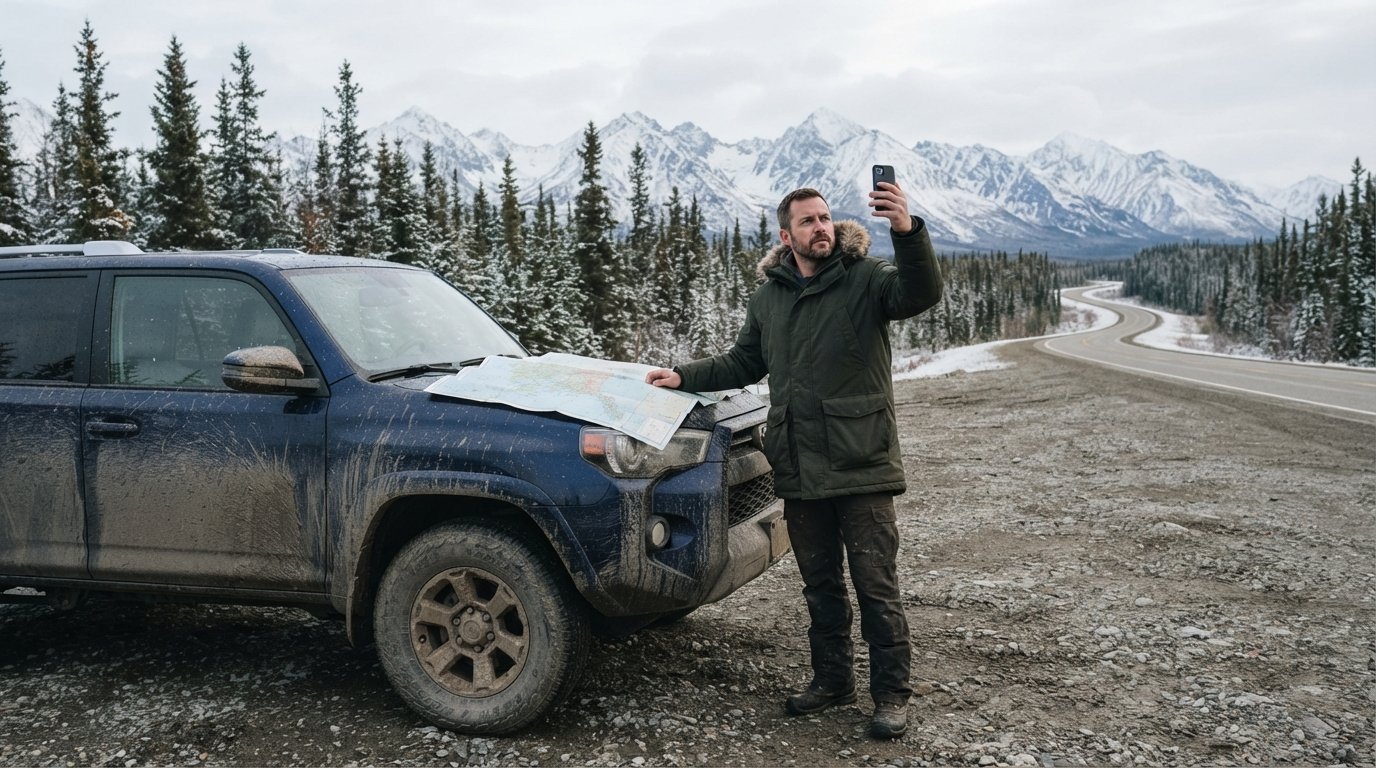
Living in remote Alaska means embracing a unique set of rewards and challenges, from breathtaking landscapes to the logistical hurdles of daily life. One challenge that often catches vehicle owners off guard is securing car insurance. With few local agents, spotty internet, and long distances between services, the standard advice to "shop around" can feel impossible. Yet getting covered is not just a good idea; it is a legal requirement and a financial safety net in a state where a single moose collision can total a vehicle. This guide walks you through the specific steps to obtain Alaska car insurance and how to get quotes in remote areas, even when the nearest insurance office is hundreds of miles away. Whether you drive in Anchorage or a village off the road system, you can still find competitive coverage by using the right approach and the right tools.
Alaska Car Insurance Requirements and Optional Coverages
Before you start collecting quotes, it helps to understand what the state actually requires. Alaska has relatively low minimum liability limits, but those minimums may not be enough to protect your assets in a serious accident. The state mandates bodily injury liability of $50,000 per person and $100,000 per accident, along with property damage liability of $25,000. These limits cover injuries or damage you cause to others, but they do nothing for your own vehicle. For that reason, many Alaska drivers, especially in remote areas where help can take hours to arrive, choose to add optional coverages.
Common optional coverages include collision (which pays to repair your car after an accident with another object or vehicle), comprehensive (which covers theft, vandalism, weather, and animal strikes), and uninsured/underinsured motorist coverage. The last one is particularly important in Alaska, where the rate of uninsured drivers can be higher than the national average. If you are financing or leasing a vehicle, your lender will almost certainly require collision and comprehensive coverage. Even if you own your car outright, the harsh weather and wildlife in remote Alaska make these coverages worth considering. When you request quotes, always ask for the same set of limits and deductibles from each insurer so you can compare apples to apples. If you are shopping for a newer vehicle, you might also want to read our guide on best affordable car insurance for new vehicles to understand how vehicle value affects premiums.
Why Getting Quotes in Remote Alaska Is Different
In many parts of the lower 48, you can walk into a local agent's office, sit down, and walk out with a policy in under an hour. In remote Alaska, that scenario is rare. Many communities off the road system have no resident insurance agent at all. Even in larger towns like Fairbanks or Juneau, the number of carriers offering local service may be limited. This lack of competition can lead to higher rates, but it also means you need to be proactive and resourceful when seeking quotes.
Another factor is the risk profile of remote driving. Insurance companies calculate premiums based on the likelihood of claims. In remote Alaska, that likelihood is influenced by extreme weather, long distances to medical facilities, and a higher incidence of animal collisions. A single claim for a moose strike can easily exceed $5,000, and towing a vehicle from a remote highway can cost hundreds or thousands of dollars. Insurers factor these risks into their rates, which is why Alaska car insurance tends to be more expensive than in many other states. However, that does not mean you are powerless. By understanding how insurers view remote risk, you can present yourself as a safer bet and find better quotes.
Additionally, the process of getting a quote itself can be tricky. You may have limited internet access, unreliable phone service, or no ability to visit an agent in person. The good news is that most major insurers now offer online quoting and remote agent services. The key is to know where to look and how to prepare your information before you start.
Step-by-Step: How to Get Alaska Car Insurance Quotes in Remote Areas
Getting quotes in a remote area requires a bit more planning than in an urban setting, but it is entirely doable. The following numbered steps will help you gather the information you need, connect with insurers, and compare offers without wasting time.
- Gather your driving and vehicle details. Before you contact any insurer, have your driver's license number, vehicle identification number (VIN), current mileage, and a rough estimate of your annual mileage. If you have had any accidents or tickets in the past five years, note the dates and details. This information is required for accurate quotes.
- Determine your coverage needs. Decide whether you need just the state minimum or additional coverage like collision and comprehensive. If you have a loan or lease, check the lender's requirements. Also consider adding roadside assistance, which can be a lifesaver in remote areas.
- Use online quote tools and comparison sites. Even with limited internet, you can often use a smartphone or a local library's connection to request quotes from multiple insurers. Many national carriers allow you to start a quote online and finish it over the phone. If you prefer a guided approach, you can request a personalized quote through a service that connects you with licensed agents who understand Alaska's unique market.
- Work with remote agents by phone or email. Once you have a few online quotes, call the insurers directly to confirm details and ask about discounts. Be clear about your location and driving conditions; some insurers may have specific questions about garaging address and annual mileage. If you do not have reliable phone service at home, schedule calls for when you are in town or use a voice-over-internet service.
- Compare quotes side by side. Create a simple spreadsheet or a handwritten list that shows the premium, deductibles, coverage limits, and any discounts applied. Look beyond the monthly price; a lower premium with a high deductible might cost you more in the long run if you have an accident.
After you have collected at least three quotes, take a day to review them carefully. Consider not only the price but also the insurer's reputation for claims service in Alaska. In remote areas, a fast and fair claims process is worth a few extra dollars per month. Once you choose a policy, you can often bind coverage over the phone and receive your insurance card by email or mail. If you are also financing a vehicle, you might benefit from exploring options to lower your auto loan payments, which can free up room in your budget for adequate insurance; a resource like CarLoanRefinancing offers educational guides and rate comparisons that can help you evaluate refinancing options.
Factors That Affect Alaska Car Insurance Rates
Understanding why Alaska rates are what they are can help you anticipate costs and identify savings opportunities. Several state-specific factors come into play. First, weather is a major driver of claims. Long, harsh winters with ice, snow, and extreme cold increase the risk of accidents and vehicle damage. Comprehensive coverage claims for cracked windshields, hail damage, and frozen engines are common. Second, wildlife collisions are a significant concern. Moose and caribou strikes can cause catastrophic damage, and insurers price this risk into premiums.
Third, the distance from services matters. In remote areas, towing and repair costs are higher because of the distance that service providers must travel. Some insurers may charge more for vehicles garaged far from urban centers. Fourth, the cost of medical care in Alaska is relatively high, which affects bodily injury liability premiums. Finally, the limited number of carriers operating in some remote regions can reduce competition and keep prices elevated. However, the Alaska Division of Insurance regulates rates, and you can always file a complaint if you believe a quote is unfairly high. By being aware of these factors, you can have more productive conversations with agents and ask about discounts that address these specific risks, such as winter tire discounts or safe driver programs.
Ways to Save on Alaska Car Insurance
Even in remote areas, there are legitimate ways to reduce your premium. The most effective strategy is to bundle your auto insurance with another policy, such as homeowners or renters insurance. Many insurers offer multi-policy discounts that can save you 10% to 25% on your auto premium. If you do not own a home, renters insurance is often inexpensive and can qualify you for the same discount. Another common savings tool is a safe driver discount. If you have a clean driving record for three to five years, ask about good driver discounts. Some insurers also offer discounts for taking a defensive driving course, which you can often complete online.
Other savings opportunities include paying your premium in full rather than monthly (which avoids installment fees), choosing a higher deductible if you can afford to pay more out of pocket after a claim, and asking about low-mileage discounts if you drive less than a certain number of miles per year. In remote Alaska, many drivers put on fewer miles than urban drivers, so this discount can be significant. Finally, do not overlook the value of shopping around every year or two. Insurers change their rates frequently, and a policy that was competitive two years ago may no longer be. By re-quoting regularly, you can ensure you are still getting a fair price. For a deeper dive into coverage options and potential savings, you can explore the resources and quote tools available through NewAutoInsurance.com, which connects you with licensed agents who can provide personalized quotes without any obligation to purchase.
Securing car insurance in remote Alaska does not have to be a headache. With a little preparation, a phone or internet connection, and a willingness to compare offers, you can find coverage that protects your vehicle and your finances. Start by gathering your information, use online tools to get preliminary quotes, and follow up with agents to confirm details. Remember that the cheapest policy is not always the best; prioritize reliable claims service and adequate coverage for the unique risks of driving in the Last Frontier. By taking these steps, you can drive with confidence, knowing you are protected no matter how far you are from the nearest town.