Hybrid cars blend an internal combustion engine with an electric motor, offering fuel efficiency and lower emissions. But this dual powertrain creates unique insurance needs that standard auto policies may not fully address. Many drivers assume coverage for a hybrid is identical to a conventional car, yet repair costs, battery replacement, and specialized parts often change the equation. To protect your investment and avoid surprise bills, you need an insurer that understands hybrid technology and offers tailored coverage. This article walks through what makes hybrid insurance different, which features matter most, and how to compare carriers effectively so you can secure the best auto insurance for hybrid cars on the market today.
Why Hybrid Cars Need a Different Insurance Approach
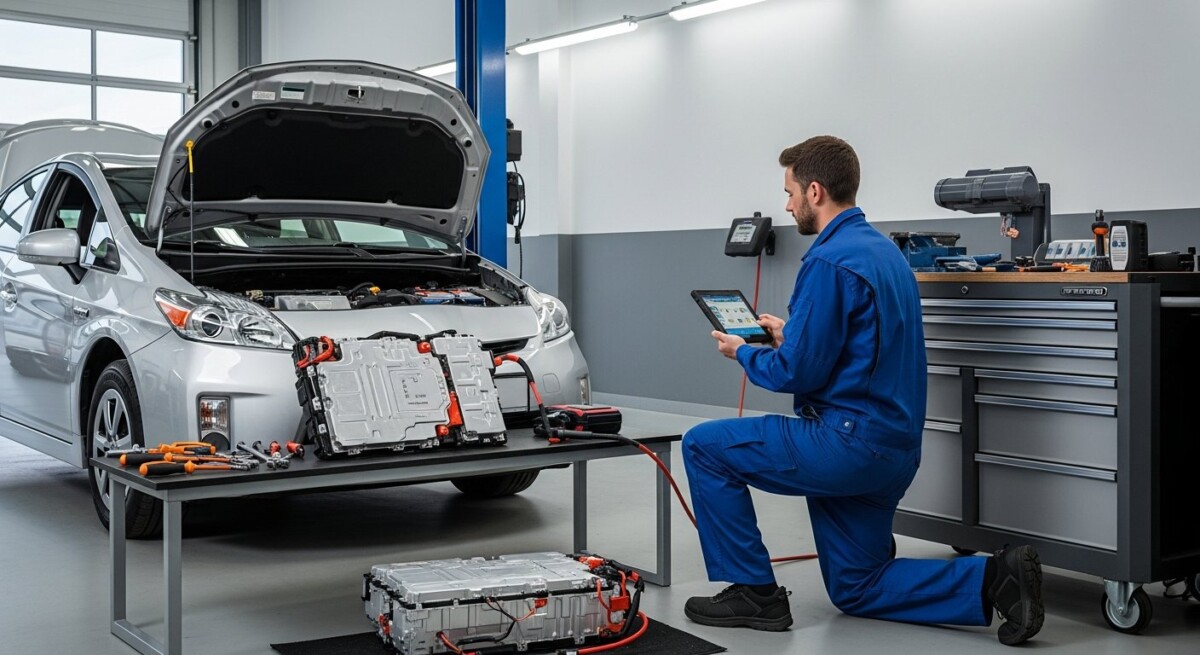
Hybrid vehicles contain expensive components like high-voltage battery packs, regenerative braking systems, and electric drive motors. A standard policy might cover these parts, but the payout limits or depreciation calculations can leave you underinsured after a claim. For example, replacing a hybrid battery can cost between $2,000 and $8,000 depending on make and model. If your policy only covers the depreciated value of a five-year-old battery, you could pay thousands out of pocket. Additionally, hybrids often require certified repair shops with specialized training, which can increase labor rates. Insurers that offer gap coverage or new car replacement become especially valuable here because they bridge the difference between what you owe and what the car is worth after a total loss. In our guide on best auto insurance for electric vehicles in 2026, we explain how similar principles apply to plug-in hybrids and full EVs, covering battery-specific endorsements and charging equipment protection.
Another factor is the way insurers calculate risk for hybrid drivers. Statistically, hybrid owners tend to drive fewer miles annually and maintain safer driving records, which can lead to lower premiums. However, some insurers still lump hybrids with standard sedans and miss the opportunity to offer usage-based discounts. The best auto insurance for hybrid cars will recognize these patterns and reward you with lower rates for low mileage, defensive driving courses, or telematics programs. Before you shop, gather your annual mileage estimate and any safety features your hybrid includes, such as automatic emergency braking or lane-keeping assist. These systems can qualify you for additional discounts.
Common Coverage Gaps for Hybrid Owners
When reviewing a standard auto policy, hybrid owners often overlook three specific gaps. First, roadside assistance may not cover towing after a battery failure or electric system malfunction. Second, rental reimbursement might not extend to a hybrid rental if your car is in the shop for weeks waiting on a specialized part. Third, personal property coverage for items like charging cables or portable battery chargers is usually excluded unless you add an endorsement. To close these gaps, look for insurers that offer enhanced roadside assistance with hybrid-specific towing protocols and rental reimbursement that covers a comparable hybrid vehicle. A well-rounded policy should also include coverage for aftermarket parts like upgraded inverters or custom battery management systems if you have modified your hybrid.
Key Features to Look for in a Hybrid Insurance Policy
Not all insurance companies treat hybrids equally. Some have dedicated hybrid or electric vehicle programs, while others simply apply standard auto coverage. To find the best auto insurance for hybrid cars, prioritize carriers that offer the following features:
- Original Equipment Manufacturer (OEM) parts coverage , Ensures repairs use genuine hybrid components rather than cheaper aftermarket parts that may not meet performance standards.
- Battery and high-voltage component protection , Some insurers offer endorsements that cover battery degradation or replacement beyond the standard warranty period.
- Gap insurance or loan/lease payoff coverage , Critical if you finance or lease your hybrid, since hybrids depreciate differently and you could owe more than the car’s market value after a total loss.
- New car replacement , Provides a brand-new hybrid of the same make and model if your car is totaled within the first few years, avoiding depreciation penalties.
- Disappearing deductibles , Rewards claim-free driving by reducing your deductible over time, which is useful for low-risk hybrid drivers.
These features add cost to your premium, but they prevent financial shocks when a claim occurs. For example, OEM parts coverage typically raises your premium by 5 to 10 percent, but it guarantees that your hybrid’s regenerative braking system or hybrid transaxle is repaired with parts designed specifically for your vehicle. Without it, an insurer might approve a rebuilt or salvaged part that compromises safety or fuel economy. Similarly, gap insurance is inexpensive relative to the protection it offers, especially for newer hybrids that lose value quickly in the first two years.
How to Compare Insurance Quotes for Your Hybrid
Comparing quotes for hybrid insurance requires more than looking at the bottom-line price. You need to assess each carrier’s claims process, repair network, and policy exclusions. Start by gathering quotes from at least three insurers that specialize in hybrid or eco-friendly vehicles. Major carriers like Geico, Progressive, State Farm, and Allstate all offer hybrid discounts, but smaller companies such as Erie Insurance or Amica Mutual sometimes provide more comprehensive hybrid-specific endorsements. When you request a quote, provide your vehicle identification number (VIN) so the insurer can pull the exact hybrid model, trim level, and battery specifications. This ensures the quote reflects accurate repair costs and part availability. In our full guide on best auto insurance for financed cars: full guide, we cover how lienholder requirements for comprehensive and collision coverage interact with hybrid-specific endorsements, which is especially relevant if you have an auto loan on your hybrid.
Next, read each policy’s declarations page and exclusions section carefully. Look for language about “electric vehicle components” or “hybrid system parts” to see if they are covered under the standard policy or require a separate endorsement. If an insurer refuses to list these components explicitly, consider that a red flag. Also, check the claims process for hybrid repairs: does the insurer have a network of certified hybrid repair shops, or will you need to find your own? A direct repair program with hybrid-trained technicians speeds up claims and reduces the chance of improper repairs. Finally, ask about discounts for hybrid ownership. Many insurers offer a “green vehicle” discount of 5 to 15 percent, but you may need to request it because it is not always automatically applied. Bundling your hybrid insurance with homeowners or renters insurance can also unlock additional savings.
Top Insurance Carriers for Hybrid Vehicles in 2026
While individual rates vary by location, driving history, and hybrid model, several carriers consistently rank well for hybrid coverage based on consumer reviews and industry analysis. Geico offers a hybrid discount of up to 10 percent and has a strong network of certified repair shops. Progressive provides usage-based insurance through Snapshot, which rewards low-mileage hybrid drivers with significant discounts. State Farm includes hybrid battery coverage in its standard comprehensive policy in many states. Allstate offers new car replacement and disappearing deductibles that pair well with hybrids. For luxury hybrid models like the Lexus ES 300h or BMW 330e, carriers such as Travelers and Chubb offer higher liability limits and agreed value policies that protect against depreciation. However, the best auto insurance for hybrid cars ultimately depends on your specific situation. A driver in California with a Toyota Prius will have different needs and rates than a driver in Texas with a Ford Escape Hybrid.
To narrow your options, use an independent comparison tool or work with a licensed agent who understands hybrid coverage. Agents can access multiple carriers and explain which endorsements are available in your state. For example, some states require insurers to offer OEM parts coverage, while others let insurers default to aftermarket parts unless you request otherwise. An agent can also help you evaluate whether a high-deductible policy with a lower premium is worth the risk given the high cost of hybrid repairs. Remember that the cheapest policy is rarely the best value if it leaves gaps in battery or component coverage. Aim for a balance of affordable premiums and robust protections that match your hybrid’s value and your driving habits.
Discounts and Savings Strategies for Hybrid Drivers
Hybrid owners can access several discounts beyond the standard safe driver and multi-policy discounts. Low-mileage discounts are common because hybrids often travel fewer miles than gas-only vehicles. If you drive under 7,500 miles per year, you could save 10 to 20 percent. Telematics programs that track your driving behavior can also yield savings, especially if you drive smoothly and avoid hard braking. Some insurers offer a “green vehicle” or “eco-friendly” discount simply for owning a hybrid, with no mileage tracking required. Additionally, many states provide incentives for hybrid owners, such as reduced registration fees or tax credits, which do not directly lower insurance premiums but reduce overall ownership costs. When you shop for coverage, mention your hybrid model and ask each agent to run a quote with all applicable discounts applied. In our guide on best auto insurance for leased vehicles: coverage guide, we explain how lease contracts often require specific coverage levels that can affect your discount eligibility, so review your lease terms before finalizing a policy.
Another strategy is to increase your deductible if you have an emergency fund to cover a smaller claim. Raising your deductible from $500 to $1,000 can reduce your premium by 15 to 30 percent. However, be cautious: if you file a claim for a hybrid battery repair that costs $4,000, a $1,000 deductible means you pay a quarter of the cost out of pocket. Only raise your deductible if you can comfortably afford that amount. Also, consider paying your premium annually instead of monthly to avoid installment fees, which can add up to $10 to $15 per month. Finally, review your coverage annually. As your hybrid ages, the need for comprehensive and collision coverage may decrease. For a hybrid older than 10 years, dropping collision coverage could save money, but keep comprehensive coverage for battery-related damage like fire or theft.
Frequently Asked Questions
Is hybrid insurance more expensive than regular car insurance?
Not necessarily. While hybrid repairs can be costlier, many insurers offer discounts for hybrid ownership and low mileage that offset the higher repair costs. On average, hybrid insurance premiums are comparable to or slightly higher than standard sedans, but the difference is often less than 10 percent. The best auto insurance for hybrid cars will balance these factors to provide competitive rates.
Does insurance cover hybrid battery replacement?
It depends on your policy. Standard comprehensive coverage may pay for battery damage caused by fire, theft, or collision, but it typically does not cover battery degradation or failure due to age. Some insurers offer a battery endorsement that extends coverage to replacement costs if the battery fails prematurely. Check your policy’s fine print or ask your agent about adding this protection.
Can I insure a hybrid with a standard auto policy?
Yes, you can insure a hybrid with a standard policy, but it may not include coverage for hybrid-specific components like the electric motor, inverter, or high-voltage wiring. To ensure full protection, look for a policy that explicitly covers these parts or add an endorsement. Insurers that specialize in hybrids or electric vehicles are more likely to offer this coverage.
Do hybrid owners get better insurance rates because they drive safer?
Statistically, hybrid drivers tend to have fewer accidents and lower claim frequencies, which can lead to lower rates. However, insurers use many factors to set premiums, including your personal driving record, location, and credit history. Owning a hybrid alone does not guarantee a lower rate, but it can help when combined with a clean driving record and low mileage.
What is the best deductible for a hybrid car?
A deductible of $500 to $1,000 is common for hybrids. If you drive a newer hybrid with a high value, a lower deductible ($250 to $500) protects you from large out-of-pocket costs. For older hybrids with lower value, a higher deductible ($1,000 or more) can reduce your premium. Choose a deductible you can afford to pay if you need to file a claim.
Final Thoughts on Hybrid Car Insurance
Securing the best auto insurance for hybrid cars requires understanding your vehicle’s unique repair costs, battery value, and safety features. By focusing on carriers that offer OEM parts coverage, battery protection, and usage-based discounts, you can build a policy that protects your investment without overpaying. Compare quotes annually, ask about every available discount, and read policy details carefully. For low-mileage hybrid drivers, telematics programs and pay-per-mile insurance can unlock substantial savings. Remember that your hybrid is more than a fuel-efficient commuter car; it is a sophisticated machine with components that demand specialized coverage. Take the time to find an insurer that treats your hybrid with the same care you do. For personalized assistance, call us at 833-214-7506 to speak with a licensed agent who can help you compare quotes and find the right coverage for your hybrid. In our guide on best auto insurance for low mileage drivers in 2026, we detail additional strategies for hybrid owners who drive fewer miles, including pay-per-mile policies that can lower your premium further.