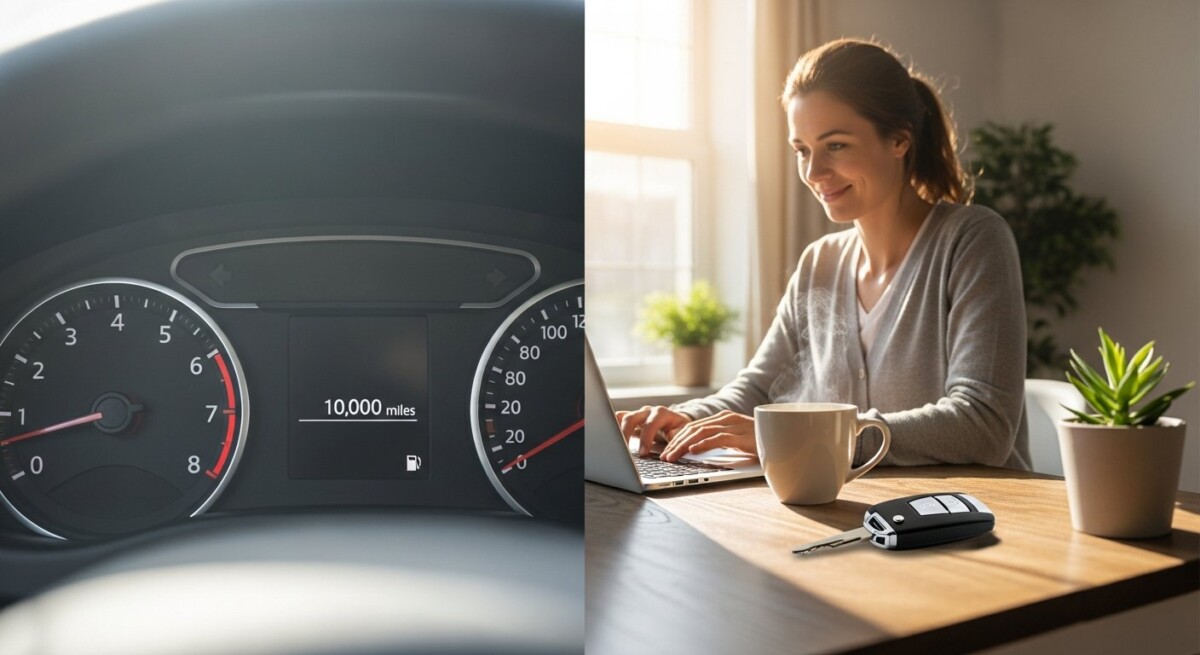
Do you drive less than 10,000 miles per year? Maybe you work from home, carpool, or rely on public transit. If so, you might be overpaying for car insurance. Many insurers base premiums on annual mileage, and low mileage drivers often qualify for special discounts or pay-per-mile policies. This article explains how to find the best auto insurance for low mileage drivers and how to maximize your savings without sacrificing coverage.
Insurance companies view low mileage drivers as lower risk. Fewer miles on the road means fewer opportunities for accidents, claims, and wear and tear. As a result, many carriers offer reduced rates for those who drive less. But not all insurers advertise these discounts clearly. You need to know where to look and what questions to ask. By understanding your options, you can secure a policy that matches your driving habits and budget.
Why Low Mileage Drivers Pay Less
Auto insurance premiums are calculated based on risk. The more time you spend behind the wheel, the higher your chance of filing a claim. That is why insurers ask about your annual mileage during the quoting process. Drivers who report low mileage (typically under 7,500 to 10,000 miles per year) are statistically safer and thus eligible for lower rates.
For example, a study by the Insurance Information Institute found that annual mileage is one of the top rating factors for most carriers. If you drive 5,000 miles instead of 15,000, you could see a premium reduction of 10 to 30 percent. Some insurers even offer specialized usage-based or pay-per-mile programs that track your actual driving. These programs can be ideal for telecommuters, retirees, or stay-at-home parents.
In our guide on how to lower your auto insurance premium legally and effectively, we explain additional strategies to reduce costs while maintaining proper coverage. Combining low mileage discounts with other savings methods can lead to substantial annual savings.
Types of Policies for Low Mileage Drivers
Not all auto insurance policies treat low mileage the same way. You have several options depending on your needs and comfort level with technology. Understanding each type helps you choose the best auto insurance for low mileage drivers in your situation.
Traditional Low Mileage Discounts
Most major insurers offer a low mileage discount if you voluntarily report your annual mileage. You do not need a special device or app. Simply provide an accurate estimate during the quoting process. Discounts vary by company but typically range from 5 to 15 percent. Some insurers require proof of mileage at renewal, such as an odometer reading or a service record.
This option works well if you prefer a simple, no-hassle approach. However, the discount may be smaller than what you could get with a usage-based program. It is best to compare quotes from multiple carriers to see which offers the best rate for your mileage bracket.
Pay-Per-Mile or Usage-Based Insurance
Usage-based insurance (UBI) uses a telematics device or smartphone app to track your actual driving behavior. Metrics include miles driven, speed, braking patterns, and time of day. Some plans charge a base rate plus a per-mile fee, while others adjust your premium at renewal based on your driving data.
Programs like Allstate Drivewise, Nationwide SmartMiles, and Progressive Snapshot are popular choices. For low mileage drivers, these programs can significantly lower costs. If you drive only a few thousand miles per year, you might pay as little as a few cents per mile. Just be aware that poor driving habits (hard braking, rapid acceleration) can reduce your discount. Also, some drivers have privacy concerns about tracking. Weigh the savings against your comfort level.
Classic or Antique Car Insurance
If you own a classic car, collector vehicle, or antique auto, you may qualify for specialized insurance with strict mileage limits. These policies often cap annual mileage at 2,500 to 5,000 miles and require the vehicle to be garaged and used primarily for shows or parades. Premiums are typically much lower than standard auto insurance because the car is driven infrequently.
Companies like Hagerty, Grundy, and Heacock specialize in collector car insurance. If your daily driver is also a classic, you might need a hybrid policy. Always disclose your true mileage to avoid claim denials. For more information on specialty vehicle coverage, visit our page on auto insurance for antique cars.
Top Insurers for Low Mileage Drivers
Several insurance companies stand out for their low mileage offerings. Based on consumer reviews, coverage options, and discount structures, here are some of the best options to consider when searching for the best auto insurance for low mileage drivers.
- GEICO: Offers a low mileage discount of up to 10 percent for drivers who travel under 7,500 miles per year. No telematics device required. Easy online quote process.
- Progressive: Snapshot program tracks mileage and driving habits. Drivers who drive less than 10,000 miles per year can save up to 30 percent. Also offers a traditional low mileage discount.
- Nationwide: SmartMiles is a true pay-per-mile policy. You pay a daily base rate plus a per-mile fee. Ideal for drivers who cover under 10,000 miles annually.
- Allstate: Drivewise app rewards safe driving and low mileage. Discounts average 10 to 25 percent. No long-term commitment required.
- State Farm: Drive Safe & Save program uses telematics. Low mileage drivers can earn discounts based on actual driving data. Available in most states.
Each insurer has different eligibility requirements and discount percentages. It is essential to request quotes from at least three companies to compare rates. Remember that the cheapest policy is not always the best. Evaluate coverage limits, deductibles, and customer service ratings before deciding.
How to Qualify for Low Mileage Discounts
Qualifying for low mileage discounts is usually straightforward, but there are a few steps you should take to ensure you receive the maximum savings. Start by accurately estimating your annual mileage. Check your odometer at the beginning and end of a year, or review past service records. If you are unsure, err on the side of caution. Overestimating could cause you to miss out on discounts, while underestimating could lead to a claim denial if you exceed the limit.
Next, ask each insurer about their low mileage discount criteria. Some require you to drive fewer than 7,500 miles, while others set the threshold at 10,000 miles. If you drive a company car or use public transit for commuting, be sure to account for that. You may also qualify for additional discounts if you bundle auto insurance with home or renters insurance, maintain a clean driving record, or complete a defensive driving course.
In our article about securing the best auto insurance after bankruptcy, we discuss how to rebuild coverage even after financial setbacks. Low mileage discounts can be especially helpful for drivers who are trying to keep premiums affordable while rebuilding their credit or insurance history.
Common Mistakes to Avoid
When shopping for the best auto insurance for low mileage drivers, it is easy to make mistakes that cost you money or leave you underinsured. Here are some pitfalls to watch for:
- Guessing your mileage: Always use an accurate odometer reading. Guessing too low can void your policy if you are in an accident.
- Ignoring telematics programs: Some drivers avoid usage-based insurance due to privacy concerns, but the savings can be substantial for low mileage drivers. Research the data collection practices before dismissing them.
- Not shopping around: Rates vary widely between insurers. A discount at one company may be smaller than another’s standard rate. Compare multiple quotes every year.
- Choosing minimum coverage: Low mileage does not mean low risk. Accidents happen even on short trips. Carry adequate liability and uninsured motorist coverage to protect your assets.
- Forgetting to update your insurer: If your driving habits change (e.g., you start working from home), notify your insurer immediately. You could be missing out on a discount.
Avoiding these mistakes helps you get the most value from your policy. Remember that insurance is a contract based on accurate information. Always be truthful about your mileage and driving habits.
Frequently Asked Questions
Q: What is considered low mileage for auto insurance?
Most insurers define low mileage as driving less than 7,500 to 10,000 miles per year. Some usage-based programs have no strict cap but charge per mile.
Q: Can I get a low mileage discount if I use public transit?
Yes. If you drive fewer miles because you take the bus or train, you likely qualify for a low mileage discount. Report your actual annual mileage to your insurer.
Q: Do I need a telematics device to get a low mileage discount?
No. Many insurers offer a traditional low mileage discount without requiring a device. However, usage-based programs often provide larger savings for very low mileage drivers.
Q: Will my rates increase if I exceed the low mileage limit?
If you report accurate mileage at renewal, your rates will adjust accordingly. Some insurers charge a penalty if you exceed the limit mid-policy, but most simply adjust at the next renewal.
Q: Is pay-per-mile insurance cheaper than traditional insurance?
For drivers who travel under 7,000 miles per year, pay-per-mile can be significantly cheaper. However, if you drive more than expected, costs can rise. Compare both options before choosing.
For personalized assistance with finding the best auto insurance for low mileage drivers, contact our team at 833-214-7506. We can help you compare quotes and understand your options.
Finding the best auto insurance for low mileage drivers does not have to be complicated. By understanding discount programs, comparing insurers, and avoiding common mistakes, you can secure affordable coverage tailored to your driving habits. Whether you choose a traditional low mileage discount or a pay-per-mile policy, the key is to shop around and ask the right questions. Start by getting quotes from the top insurers listed above and see how much you can save. Safe driving and smart shopping go hand in hand.