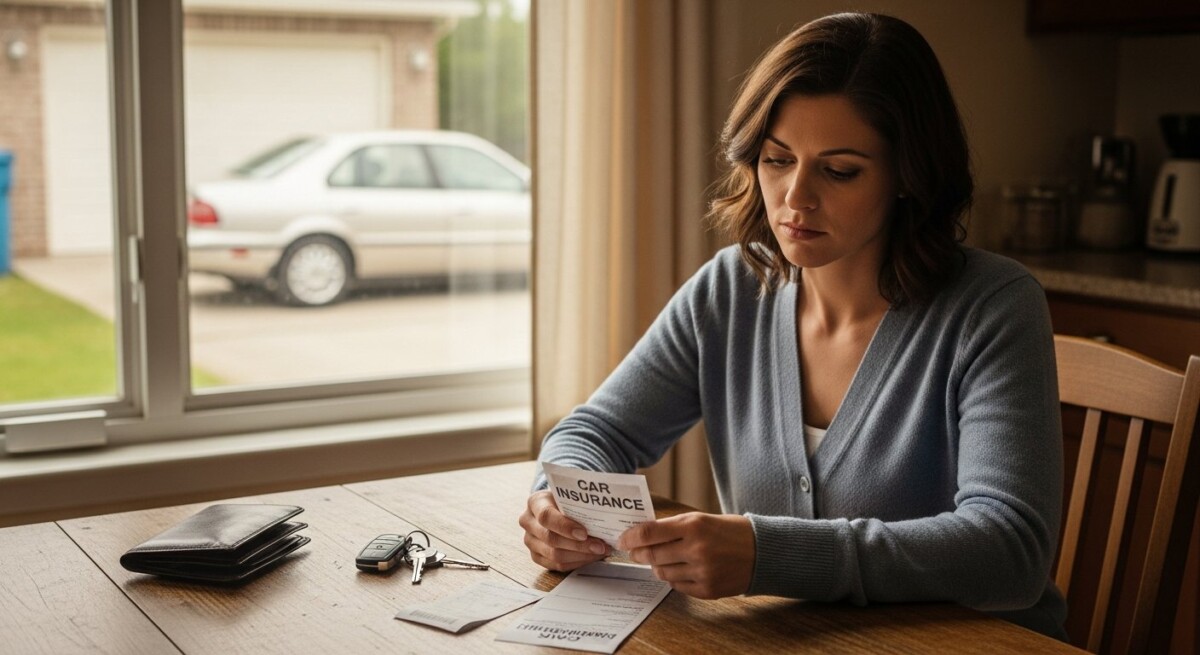
For millions of drivers across the United States, keeping an insured vehicle on the road while managing a tight budget can feel like a constant balancing act. The cost of a monthly premium often competes with rent, groceries, and utility bills. Yet, driving without insurance is illegal in nearly every state and carries severe financial risks. The good news is that affordable coverage exists. With the right strategy, you can secure a policy that protects you, your vehicle, and your finances without breaking the bank.
Why Low-Income Drivers Face Higher Premiums
Insurance companies use risk-based pricing. Drivers with lower incomes often fall into categories that insurers consider higher risk. This includes having a lower credit score, living in a zip code with higher accident rates, or driving an older vehicle that may lack modern safety features. Additionally, low-income drivers may not have the financial cushion to pay a large premium upfront, which can lead to lapses in coverage. A gap in insurance history can further raise premiums when you try to re-enroll.
However, understanding these factors is the first step to overcoming them. Many states have programs designed specifically to help low-income individuals obtain car insurance for low-income individuals. These programs often include reduced rates, payment plans, or state-sponsored minimum coverage options.
State-Sponsored and Low-Cost Programs
Several states, including California, New Jersey, and Hawaii, offer low-cost auto insurance programs for qualified residents. These programs provide liability-only coverage at a reduced rate. Eligibility is typically based on income level relative to the federal poverty line and a valid driver’s license. For example, California’s CLCA program offers basic liability coverage for about $200 to $400 per year for qualifying drivers.
To find out if your state offers such a program, visit your state’s Department of Insurance website or call a local consumer help line. You will need to provide proof of income, residency, and a clean driving record. These programs are not available everywhere, but for those who qualify, they can be a lifeline.
How to Qualify for State Low-Cost Insurance
Qualification requirements vary by state, but common criteria include:
- Income at or below 250% of the federal poverty level.
- A valid driver’s license and vehicle registration.
- No recent at-fault accidents or major violations.
- Residency in the state for a minimum period.
Once approved, you must maintain continuous coverage and report any changes in income or address. Failure to do so may result in loss of eligibility. For drivers who do not qualify for state programs, private insurers often offer discounts for low-mileage drivers. In our guide on auto insurance for low-mileage drivers save money now, we explain how reducing your annual mileage can lower your premium significantly.
Comparing Quotes to Find the Best Rate
One of the most effective ways to reduce your insurance costs is to shop around. Rates can vary by hundreds of dollars between insurers for the same driver profile. Do not settle for the first quote you receive. Instead, get at least three to five quotes from different companies. Use online comparison tools or speak with an independent agent who can check multiple carriers at once.
When comparing quotes, look beyond the monthly premium. Consider the deductible amount, coverage limits, and any exclusions. A very low premium may come with a high deductible that you cannot afford if you have an accident. Aim for a balance between an affordable monthly payment and a deductible you could pay out of pocket. For many low-income drivers, a $500 deductible is a reasonable target.
Additionally, pay attention to customer service ratings and claims satisfaction. A cheap policy is not helpful if the company refuses to pay a legitimate claim. You can check a company’s financial strength through AM Best or read consumer reviews on state insurance department websites.
Discounts That Can Lower Your Premium
Insurance companies offer a wide range of discounts that can make a significant difference for budget-conscious drivers. Some of the most common and valuable discounts include:
- Good driver discount: For maintaining a clean driving record for three to five years.
- Multi-policy discount: Bundling auto insurance with renters or homeowners insurance.
- Low mileage discount: For driving fewer than 7,500 miles per year.
- Defensive driving course discount: Completing an approved safety course can reduce premiums.
- Pay-in-full discount: Paying the entire six-month premium upfront rather than monthly.
Ask each insurer about every discount they offer. Some discounts, like the low-mileage discount, are easy to overlook but can save you 10% or more. For drivers who drive very little, a usage-based insurance program might be an even better fit. These programs use a telematics device or smartphone app to track your driving habits, potentially rewarding safe, low-mileage drivers with lower rates. Check our resource on best auto insurance for low mileage drivers in 2026 for program options.
Choosing the Right Coverage Level
While it may be tempting to buy only the minimum liability coverage required by your state, this approach can backfire. Minimum coverage often provides very little protection if you cause an accident that results in significant property damage or medical bills. A single lawsuit could wipe out your savings or lead to wage garnishment.
Instead, consider raising your liability limits slightly. Increasing from state minimums to 50/100/50 (bodily injury per person, per accident, and property damage) often costs only a few dollars more per month. This extra coverage can protect your assets and future income. If you have an older car worth less than $3,000, you can drop collision and comprehensive coverage to save money. However, if you still owe money on the vehicle, your lender will require full coverage.
Another option is to choose a higher deductible. Raising your collision deductible from $250 to $1,000 can lower your premium by 20% to 40%. Just be sure you have that amount saved in an emergency fund. For more details on how coverage transfers between vehicles, read our article on does auto insurance follow the car or the driver.
Payment Plans and Avoiding Lapses
Many low-income drivers struggle with paying a large lump sum every six months. Fortunately, most insurers offer monthly payment plans. Some even offer quarterly or bi-annual options. Be aware that paying monthly often comes with a small installment fee, usually $2 to $5 per payment. This fee is worth it if it helps you maintain continuous coverage.
If you miss a payment, your policy may be canceled. A lapse in coverage can lead to higher rates for years and may make it harder to get a new policy. To avoid this, set up automatic payments from your checking account or use a credit card with a low limit. Some insurers also offer a grace period of 10 to 30 days before canceling. Always call your insurer immediately if you anticipate a late payment. They may be able to work out a hardship plan.
For those who need help with the initial payment, some companies offer a $0 down payment option. This allows you to start your policy with no upfront cost, though you will still need to pay the first month’s premium soon after. This can be a great way to get insured quickly without a large cash outlay.
Frequently Asked Questions
Can I get car insurance with no money down?
Yes, many insurance companies offer policies with $0 down payment. You will still need to pay your first monthly premium within a few weeks, but there is no large upfront cost. This can be helpful for low-income drivers who need coverage immediately but lack savings.
What is the cheapest car insurance for low-income drivers?
The cheapest option varies by state and personal factors. In general, state-sponsored low-cost programs (where available) offer the lowest rates. For others, GEICO, State Farm, and Progressive often have competitive rates for drivers with good records. Compare at least three quotes to find the best deal.
Does my credit score affect my car insurance rate?
In most states, yes. Insurers use credit-based insurance scores to predict risk. A lower score can lead to higher premiums. However, some states (California, Hawaii, Massachusetts, and Michigan) restrict or prohibit the use of credit scores in insurance pricing. If you have poor credit, focus on improving it over time and shop around for insurers that weigh credit less heavily.
Can I drive without insurance if I cannot afford it?
No. Driving without insurance is illegal in almost every state. Penalties include fines, license suspension, vehicle impoundment, and even jail time for repeat offenses. If you are in an accident without insurance, you could be personally liable for thousands of dollars in damages. Always maintain at least the minimum required coverage.
How can I lower my insurance premium quickly?
Raise your deductible, ask about discounts, reduce your coverage on older vehicles, and compare quotes from multiple insurers. Even small changes can lower your premium by 10% to 30%. Also, consider taking a defensive driving course online.
Taking the Next Step Toward Affordable Coverage
Finding car insurance for low-income individuals does not have to be overwhelming. By understanding the options available to you, such as state-sponsored programs, discounts, and payment plans, you can secure a policy that fits your budget. Start by checking your state’s low-cost insurance program, then gather quotes from at least three private insurers. Remember that a slightly higher premium for better coverage can be a wise investment in your financial protection. Review your policy annually and update your insurer if your income or driving habits change. With persistence and the right information, you can drive legally and confidently without straining your finances. For further savings, explore our guide on 1st auto insurance: lower your monthly payments now for additional strategies.