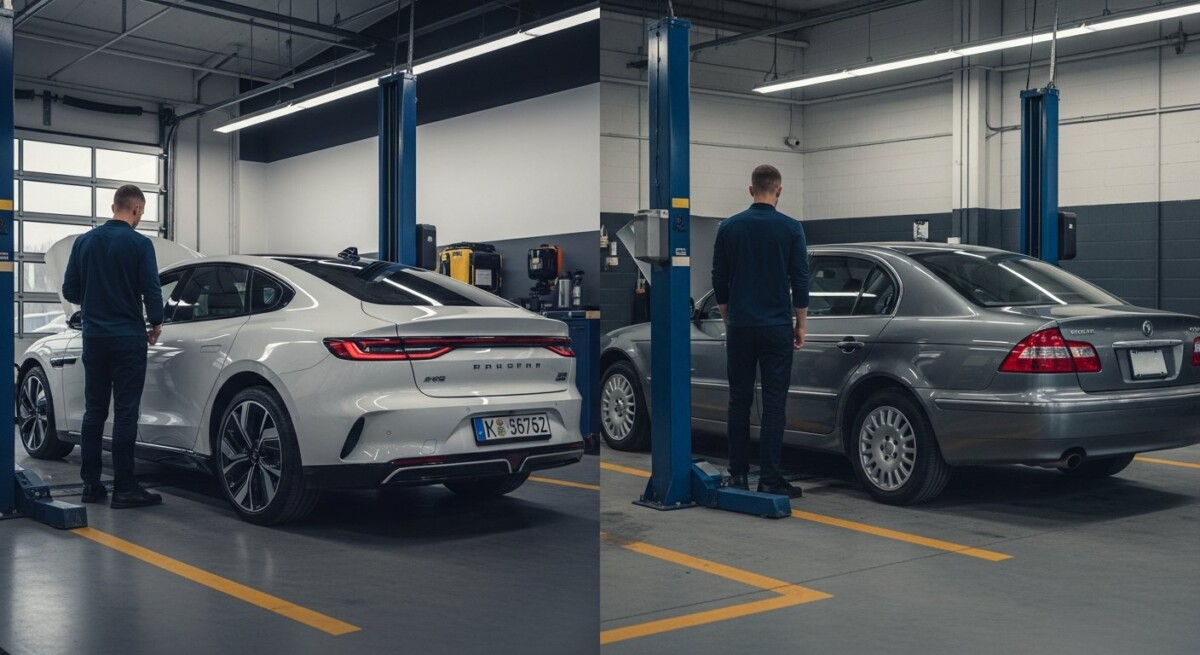
When you switch from a gas-powered vehicle to an electric vehicle (EV), you expect savings on fuel and maintenance. But what happens to your insurance premium? Many drivers are surprised to learn that insuring an EV often costs more than insuring a comparable gas car. Understanding the reasons behind this difference can help you budget accurately and find the right coverage. This article breaks down the core factors that shape insurance for electric cars vs gas cars, from repair costs to safety features, and gives you actionable steps to compare quotes effectively.
Why Insurance Costs Differ Between EVs and Gas Cars
The price you pay for auto insurance is based on risk. Insurers calculate how likely you are to file a claim and how expensive that claim will be. For electric vehicles, several factors push the cost higher than for traditional gas cars. The most significant reason is the cost of repairs. EVs use specialized components like lithium-ion battery packs, electric drive motors, and complex regenerative braking systems. If an EV is involved in an accident, repairing or replacing these parts can be substantially more expensive than fixing a conventional engine or transmission.
Another factor is the limited availability of certified EV repair shops. Not every body shop has technicians trained to work on high-voltage systems. Insurers must factor in the higher labor rates and longer repair times when setting premiums for EVs. Additionally, many electric cars are newer models with advanced technology, which means replacement parts are often only available from the manufacturer rather than from third-party suppliers. This lack of aftermarket options keeps repair costs high.
On the other hand, gas cars benefit from decades of established repair networks, abundant parts suppliers, and standardized mechanical systems. A collision that might total an older EV could be repairable on a gas car at a fraction of the cost. This disparity directly affects your monthly or annual premium. However, there are also ways EVs can save you money on insurance, such as safety discounts and lower theft rates for some models. Let us examine these factors more closely in the sections below.
Repair Costs and Parts Availability
When comparing insurance for electric cars vs gas cars, repair expenses are the single largest driver of premium differences. A gas car’s engine, transmission, and exhaust system are well understood by mechanics across the country. Parts are mass-produced and can be sourced quickly. In contrast, an EV’s battery pack can cost thousands of dollars to replace. Even a minor fender bender that damages the battery housing can lead to a total loss if the repair bill exceeds the vehicle’s value.
Insurance companies use historical claims data to set rates. Because EV technology is still evolving, claims data is less predictable. Insurers often add a buffer to account for uncertainty. For example, a 2023 study from the Insurance Institute for Highway Safety (IIHS) found that injury claims for EVs were slightly lower than for gas cars, but collision claims were significantly higher. This means you may pay more for collision coverage on an EV, even if you are a safe driver.
Here are the key repair-related factors that influence premiums for both vehicle types:
- Battery replacement cost: EV battery packs can cost $5,000 to $20,000 or more to replace, driving up comprehensive and collision premiums.
- Specialized labor: EV repairs require certified technicians, which increases hourly labor rates compared to standard gas car repair shops.
- Parts scarcity: Many EV components are proprietary and must be ordered from the manufacturer, causing longer repair times and higher rental car costs for insurers.
- Total loss risk: Because of high repair costs, a greater percentage of damaged EVs are declared total losses compared to gas cars, raising the overall risk pool.
These factors mean that when you shop for coverage, you should expect to pay 15% to 30% more on average for an EV compared to a similar gas-powered vehicle. However, that gap can narrow if you choose an EV with strong safety ratings and a good repair record. In our guide on best auto insurance for electric vehicles in 2026, we explain how to identify insurers that offer competitive rates for specific EV models.
Safety Features and Discounts
One area where EVs have an advantage is safety. Electric vehicles often come standard with advanced driver-assistance systems (ADAS) such as automatic emergency braking, lane-keeping assist, and adaptive cruise control. These features reduce the likelihood of accidents, which can lower your liability and medical payments premiums. Many insurers offer discounts for vehicles equipped with these technologies, and EVs tend to qualify for the highest discount tiers.
Gas cars have also adopted many of these features, especially in newer models, but they are often optional or bundled into higher trim levels. If you drive an older gas car without ADAS, you may miss out on these savings. Additionally, the low center of gravity in most EVs (due to the floor-mounted battery pack) improves stability and reduces the risk of rollovers. This structural advantage can lead to lower injury claim rates, which insurers reward with better rates.
To maximize your discounts, ask your insurer about the following EV-specific savings opportunities:
- Safety feature discount: Typically 5% to 10% off for vehicles with automatic braking, blind-spot monitoring, and forward collision warning.
- Low mileage discount: If you use your EV primarily for commuting and charge at home, you may drive fewer miles annually than the average gas car owner, leading to lower premiums.
- Bundling discount: Combine your EV insurance with homeowners or renters insurance from the same carrier for a multi-policy discount of up to 15%.
- Usage-based insurance: Some insurers offer telematics programs that track driving behavior. Safe EV drivers can save 20% or more by enrolling.
While these discounts can offset some of the higher base rates for EVs, you should still compare multiple quotes. Not all insurers apply the same discounts, and some specialize in covering electric vehicles. For a detailed look at which carriers offer the best EV-specific programs, refer to our article on best auto insurance for electric vehicles in 2026.
Coverage Needs for EVs vs Gas Cars
Beyond cost, the type of coverage you need may differ between an EV and a gas car. For a gas car, standard liability, collision, and comprehensive coverage are usually sufficient. However, for an EV, you may want to consider additional protections. For example, many EV owners invest in a home charging station. If that station is damaged by a power surge, fire, or vandalism, standard auto insurance may not cover it. You might need to add equipment coverage or extend your homeowners policy to protect the charging hardware.
Another coverage consideration is gap insurance. EVs depreciate faster in the first few years than many gas cars, partly due to rapid technological advancements and federal tax credits that lower the effective purchase price. If you finance or lease an EV, gap insurance can pay the difference between what you owe on the loan and the car’s actual cash value if it is totaled. This is especially critical for EVs because of their higher total-loss risk. Gas cars, particularly those with slower depreciation, may not require gap coverage unless you have a long loan term.
Rental reimbursement coverage is also more important for EV owners. Because EV repairs take longer on average, you may need a rental car for two to three weeks instead of the typical one week for a gas car. Make sure your policy provides adequate daily limits and a sufficient number of days. Some insurers cap rental coverage at $30 per day for 30 days, which may not cover the full cost of a comparable rental vehicle. Review your policy limits carefully.
Finally, consider roadside assistance. While both EVs and gas cars can break down, EVs have unique needs such as towing to a charging station or a certified repair facility. Standard roadside assistance may not cover towing to a non-standard location. Look for a policy that explicitly includes EV-specific towing and battery jump-starts. For a comprehensive breakdown of coverage options for both vehicle types, explore our auto insurance coverage page.
How to Get the Best Rate for Your EV or Gas Car
Whether you drive an electric car or a gas car, the process for finding affordable insurance is similar, but there are a few EV-specific steps you should take. First, gather quotes from at least three to five insurers. Do not assume that your current carrier offers the best rate for an EV. Many traditional insurers are still adjusting their pricing models for electric vehicles, while newer insurance startups may offer more competitive EV rates.
Second, provide accurate vehicle information when requesting quotes. Insurers need the exact make, model, trim level, and Vehicle Identification Number (VIN) to calculate your premium. For EVs, the battery capacity and range can also affect rates, so be prepared to share those details. If you are buying a used EV, ask the seller for the battery’s state of health, as a degraded battery may lower the car’s value and your premium.
Third, take advantage of usage-based insurance programs. Many insurers offer telematics programs that track your driving through a smartphone app or plug-in device. Because EVs are often driven more efficiently and with less aggressive acceleration than gas cars, EV drivers tend to score well in these programs. This can lead to significant savings, sometimes 20% to 30% off your premium.
Fourth, review your deductible. Choosing a higher deductible (e.g., $1,000 instead of $500) can lower your monthly premium, but make sure you have enough savings to cover the deductible if you need to file a claim. For EVs, where repair costs are high, a lower deductible might be worth the extra premium to avoid a large out-of-pocket expense after an accident.
Finally, consider an annual policy review. The insurance market for EVs is changing rapidly. An insurer that was expensive two years ago may now offer competitive rates as they gain more claims data. Set a reminder to compare quotes every 12 months. For more tips on reducing your premium, check our consumer advice section, which covers strategies for all vehicle types.
Frequently Asked Questions
Is insurance for electric cars more expensive than for gas cars?
Yes, on average, insuring an electric car costs 15% to 30% more than insuring a comparable gas car. This is due to higher repair costs, specialized parts, and longer repair times. However, safety discounts and low mileage can reduce the gap.
Do electric cars qualify for any special insurance discounts?
Yes. Many insurers offer discounts for advanced safety features, low mileage, and usage-based driving programs. Additionally, some carriers provide a specific EV discount or a renewable energy discount if you charge your vehicle with solar power. Always ask your agent about available discounts.
Can I use the same insurance company for my EV and my gas car?
Absolutely. Most major insurers cover both electric and gas vehicles. However, not all insurers have competitive rates for EVs. It is wise to compare quotes from multiple companies to ensure you are getting the best rate for each vehicle.
Does my insurance cover the charging station at my home?
Standard auto insurance does not cover a home charging station. You may need to add equipment coverage to your auto policy or extend your homeowners or renters insurance to include the charging hardware. Check with your insurance agent for specific options.
What happens if my EV battery is damaged in an accident?
If the battery is damaged, your collision or comprehensive coverage will pay for repairs or replacement, minus your deductible. Because battery replacement is expensive, many EVs with battery damage are declared total losses. Gap insurance can help if you owe more than the car is worth.
For more detailed answers about EV insurance, visit our claims guidance page, which covers the claims process for electric vehicles.
Choosing between an electric car and a gas car involves many factors, and insurance is a critical part of the total cost of ownership. While EVs generally cost more to insure today, the gap is narrowing as repair networks expand and insurers gain more data. By understanding the differences in repair costs, safety features, and coverage needs, you can make an informed decision and find a policy that fits your budget. Compare quotes from multiple insurers, ask about EV-specific discounts, and review your coverage limits annually to ensure you are protected without overpaying. Whether you drive electric or gas, the right insurance gives you peace of mind on the road.