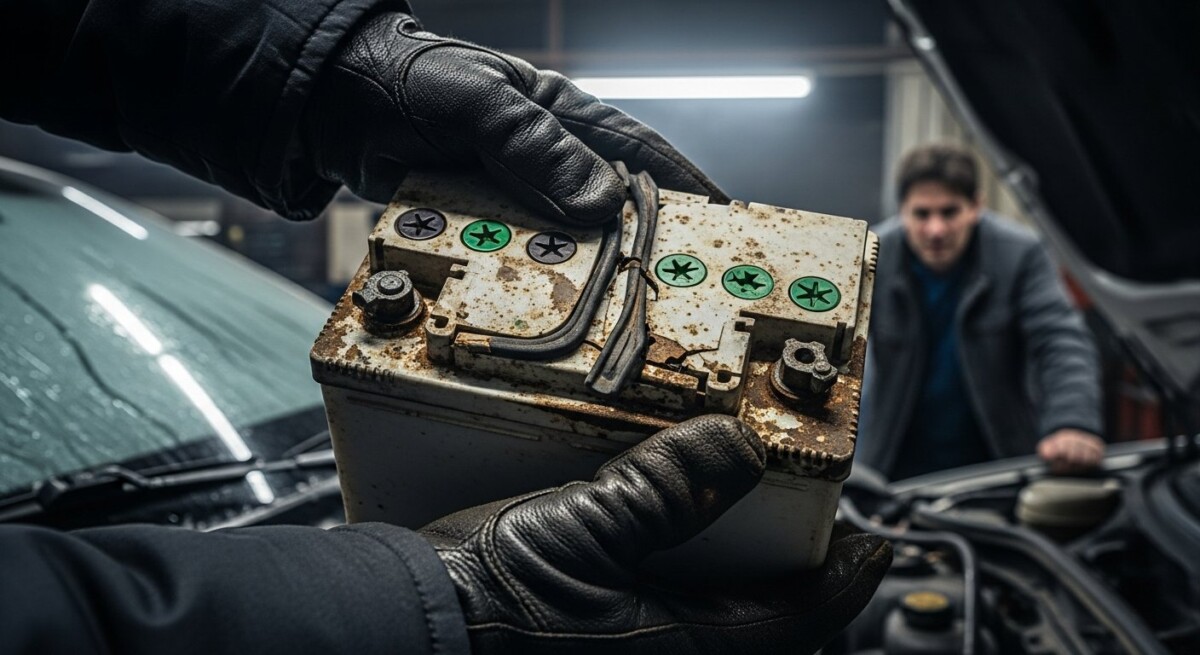
Your car battery dies on a cold morning, and you face a sudden replacement cost. The immediate question is whether your auto insurance policy will cover that expense. The short answer is that standard auto insurance typically does not pay for battery replacement, but there are specific scenarios where coverage may apply. Understanding the difference between routine maintenance and covered losses is essential to avoid surprise bills and to know when you can file a claim successfully.
Battery failure is one of the most common roadside issues drivers encounter. While many assume their comprehensive or collision coverage includes batteries, insurance is designed to protect against sudden, accidental damage rather than wear and tear. This article explains exactly when insurance covers battery replacement, what policy types apply, and practical steps you can take to minimize out-of-pocket costs. We also explore warranty options, roadside assistance benefits, and how to handle a dead battery claim.
When Does Auto Insurance Cover Battery Replacement?
Insurance coverage for a battery replacement depends entirely on the cause of the failure. If the battery dies due to age, extreme temperatures, or normal usage, your policy will not cover it. However, if the battery is damaged by a covered peril such as a collision, vandalism, theft, or a natural disaster, comprehensive or collision coverage may pay for a replacement.
Comprehensive insurance covers non-collision events like fire, flood, hail, falling objects, and vandalism. If a hailstorm cracks your battery casing or a thief cuts the cables during an attempted theft, comprehensive coverage would apply after you meet your deductible. Collision coverage steps in if your battery is damaged in an accident, such as a fender bender that cracks the battery housing. In both cases, the damage must be sudden and accidental, not gradual deterioration.
For example, if a tree branch falls on your parked car and destroys the battery, comprehensive coverage would reimburse you for the replacement minus your deductible. If your battery simply fails after three years of use, no insurance claim will be paid because that is considered maintenance. In our guide on Does Your Auto Insurance Cover Natural Disasters?, we explain how comprehensive policies handle damage from storms and other events that could affect your battery.
The Role of Your Deductible
Even when a covered event causes battery damage, your deductible may make a claim impractical. If your comprehensive deductible is $500 and a new battery costs $150 to $300, filing a claim would not be financially beneficial. You would pay the full replacement cost out of pocket anyway. Always compare the replacement cost to your deductible before submitting a claim, because a small payout can raise your future premiums.
Insurance companies track claim history, and even a minor comprehensive claim can lead to a rate increase at renewal. For low-cost items like batteries, it is usually smarter to pay for the replacement yourself rather than risking higher premiums. Only file a claim if the battery damage is part of a larger loss, such as a collision or theft that also affects other components.
Roadside Assistance and Battery Replacement
Many auto insurance policies offer roadside assistance as an add-on or included benefit. This service often covers jump-starts and towing to a repair shop, but it rarely includes the cost of a new battery. If your battery dies and you have roadside assistance, a technician will come to your location and attempt a jump-start. If the battery cannot be revived, they may tow your vehicle to a nearby garage, but the cost of purchasing and installing a new battery is your responsibility.
Some premium roadside assistance plans do cover battery replacement on the spot, but those are exceptions rather than the rule. Review your policy’s roadside assistance details to see if battery replacement is included. If not, you can use the towing benefit to get your car to a service center. Our article on Does Your Auto Insurance Cover Towing After a Breakdown? provides a deeper look at what towing benefits typically cover and how to use them effectively.
Warranty Coverage vs. Insurance
Before turning to insurance, check your vehicle’s warranty and the battery’s own warranty. Most new car batteries come with a free replacement period (often 24 to 36 months) followed by a pro-rated warranty. If your battery fails within the free replacement window, the manufacturer or retailer will replace it at no cost to you. After that period, you may receive a partial credit toward a new battery based on the remaining warranty months.
Warranty coverage is separate from insurance and does not involve a deductible or claim. It is the first option to explore when your battery dies. If the warranty has expired, then consider insurance if a covered peril caused the damage. For normal end-of-life failure, you will pay out of pocket. Insurance is designed for unexpected, external damage, not predictable wear and tear.
If vandalism or a collision damages your battery, your insurance may cover it, but the warranty will not apply because the damage is not a manufacturing defect. In that case, file a claim under comprehensive or collision coverage. In our guide on Does Auto Insurance Cover Vandalism? A Policyholder’s Guide, we detail how vandalism claims work and what documentation you need.
How to File a Claim for Battery Damage
If you believe your battery damage is covered by insurance, follow these steps to maximize your chance of a successful claim:
- Document the damage: Take clear photos of the battery, the surrounding area, and any visible cause such as a dent, crack, or cut cable. Include shots of the vehicle’s location and any debris or vandalism evidence.
- Review your policy: Confirm that you have comprehensive or collision coverage and check your deductible amount. Calculate whether the replacement cost exceeds the deductible.
- Contact your insurer promptly: Call your claims department and explain that the battery was damaged by a specific covered event. Provide the date, time, and details of the incident.
- Get a repair estimate: Take your vehicle to a trusted mechanic or dealership for an official estimate. The insurer may require an inspection before approving the claim.
- Keep all receipts: If you pay for a replacement out of pocket while waiting for the claim decision, save the receipt. Reimbursement may be possible if the claim is approved.
Be honest about the cause of the damage. If the battery failed due to age or cold weather, do not misrepresent it as a covered event. Insurance fraud can result in policy cancellation or legal consequences. When the claim is legitimate, the process is straightforward, and your insurer will guide you through the next steps.
Battery Replacement Costs and Deductible Considerations
Battery replacement costs vary by vehicle type. A standard lead-acid battery for a typical sedan costs between $100 and $200, including installation. Premium AGM batteries for luxury or start-stop vehicles can range from $200 to $400. Hybrid and electric vehicle batteries are much more expensive, often costing $1,000 to $6,000, and those replacements may involve complex labor.
For standard batteries, the cost is usually below most comprehensive deductibles, which commonly range from $250 to $1,000. This makes filing a claim financially unwise in most cases. However, if your deductible is very low (e.g., $100) and the battery is expensive (e.g., $400), a claim could make sense. Always run the numbers: claim payout = replacement cost minus deductible minus potential premium increase.
For hybrid or EV batteries, the high replacement cost may exceed your deductible, making a claim more worthwhile if the damage is caused by a covered event. In those cases, comprehensive coverage can save you thousands of dollars. Just be aware that not all policies cover EV batteries the same way, so read your policy language carefully. Our article on What Does Auto Collision Insurance Cover and Is It Worth It? explains how collision coverage applies to expensive components like batteries in an accident.
Frequently Asked Questions About Insurance and Battery Replacement
Does comprehensive insurance cover a dead battery from cold weather?
No. Cold weather is a natural condition that causes gradual battery failure. Comprehensive insurance covers sudden events like hail, fire, or vandalism, not temperature-related wear and tear.
Will my insurance pay for a new battery if it is stolen?
If the entire battery is stolen from your vehicle, that is a theft loss covered under comprehensive insurance. You would pay your deductible, and the insurer would reimburse you for the replacement cost up to the actual cash value of the battery.
Can I add roadside assistance that covers battery replacement?
Yes, some insurers offer enhanced roadside assistance packages that include on-site battery replacement. Check with your provider or consider a separate membership with an auto club that offers this service.
Does car insurance cover a battery damaged in an accident?
Yes, collision coverage pays for battery damage resulting from a collision with another vehicle or object. You will need to pay your collision deductible first.
What if my battery dies and I need a tow to the shop?
Roadside assistance typically covers towing to a repair facility. The tow itself is covered, but the new battery and installation are not. However, some policies include a small allowance for parts. Always ask your insurer before authorizing repairs.
Practical Tips to Avoid Battery Replacement Costs
Prevention is the best way to avoid unexpected battery expenses. Test your battery twice a year, especially before winter and summer. Most auto parts stores offer free battery testing. If your battery is more than three years old, consider replacing it proactively before it fails. Keeping your battery terminals clean and ensuring the charging system works properly extends battery life.
If you do need a replacement, shop around. Prices vary significantly between dealerships, independent shops, and big-box retailers. Many stores offer free installation with purchase. Using a rewards credit card or store loyalty program can also save money. Never assume you must pay full price without comparing options.
Finally, review your auto insurance policy annually to understand what is and is not covered. If you want more protection for battery and other small components, consider lowering your comprehensive deductible or adding enhanced roadside assistance. A quick call to your agent can clarify your options and prevent confusion when you need help most.
Understanding the limits of your insurance coverage for battery replacement helps you make smarter financial decisions. In most cases, you will pay for a new battery out of pocket, but knowing when a claim is appropriate can save you money and hassle. Keep your battery maintained, check your warranty first, and only file an insurance claim when the damage is clearly caused by a covered event and the cost justifies it.