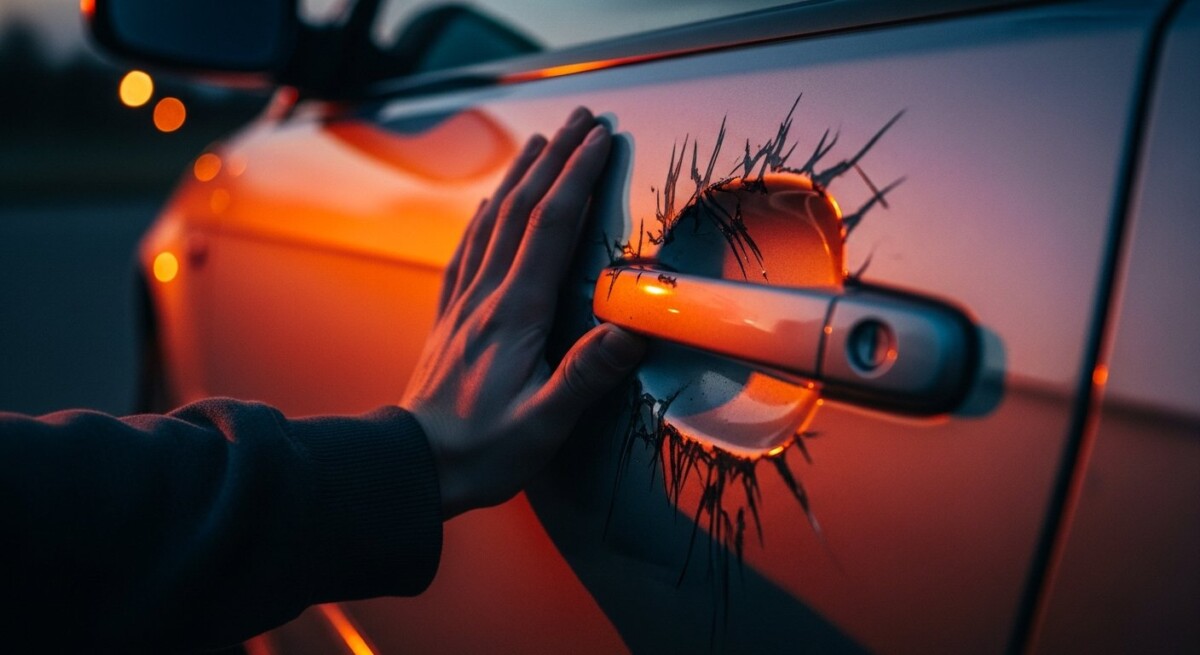
You walk out to your car and find the side deeply keyed, your tires slashed, or your windshield shattered by a rock. Vandalism is a sudden, violating, and expensive event that leaves you with a damaged vehicle and a pressing question: will my auto insurance pay for this? The short answer is yes, but the path to getting your car repaired depends heavily on the specific type of coverage you carry. Understanding the nuances of your policy, the claims process, and the financial implications is crucial to navigating this stressful situation effectively and ensuring you aren’t left with a surprise bill.
Understanding Coverage: Comprehensive vs. Collision
Vandalism is explicitly covered under the comprehensive coverage portion of an auto insurance policy. It is critical to distinguish this from collision coverage, as they protect against different perils. Collision insurance covers damage resulting from your vehicle colliding with another object, like another car, a tree, or a guardrail. Comprehensive coverage, often called “other than collision” coverage, handles damage caused by events outside of a driver’s control. These include theft, fire, falling objects, natural disasters, and, importantly, vandalism. If you only carry the state-mandated minimum liability insurance, which covers damage you cause to others, you will have no protection for vandalism to your own vehicle. Adding comprehensive coverage is the key to being protected against these malicious acts.
The process for a vandalism claim follows the standard comprehensive claim procedure. You will be responsible for paying your deductible, the amount you chose when setting up your policy, before the insurance company pays for the remaining repair costs. For example, if the repair estimate is $2,500 and you have a $500 comprehensive deductible, your insurer would issue a payment of $2,000 to you or the repair shop. Choosing a higher deductible typically lowers your premium, but it means paying more out-of-pocket when a claim occurs. This is a fundamental financial trade-off that policyholders must consider. For more on how deductibles and the entire claims process function, our detailed resource on how an auto insurance claim works provides a step-by-step breakdown.
The Immediate Steps to Take After Discovering Vandalism
Your actions in the moments and hours after discovering the damage can significantly impact the smoothness of your insurance claim. First, ensure your immediate safety and do not touch or attempt to repair anything. Document the scene thoroughly using your smartphone. Take clear, wide-angle photos and videos of the overall damage, as well as close-ups of specific vandalized areas. Capture the surrounding environment and any potential evidence, like broken tools or spray paint cans left behind, without disturbing them. Next, you must file a police report. Contact the local non-emergency police line to have an officer come to the location or visit the station to file a report in person. A formal police report is not just a bureaucratic step, it serves as official documentation of the crime and is almost always required by your insurance company to process a vandalism claim. This report helps establish the incident as a criminal act and not a fraudulent claim.
After securing the police report, contact your insurance company or agent to initiate the claim. Provide them with all the details, including the police report number. They will assign a claims adjuster to your case. The adjuster may want to inspect the vehicle themselves or may direct you to get repair estimates from approved shops. It is wise to get at least two estimates to ensure the quoted repair costs are fair and thorough. Be prepared to pay your deductible directly to the repair facility when you drop off your car. Throughout this process, maintain clear records of all communications, including the names of representatives you speak with, claim numbers, and emails.
What Specific Types of Vandalism Are Covered?
Comprehensive coverage is designed to handle a wide array of malicious damage. Common acts of vandalism that are typically covered include keying (scratching the paint with a key or other sharp object), slashed tires, broken windows (side windows, windshields, sunroofs), and damage from thrown rocks or bricks. It also covers graffiti, including spray paint, which can be costly to remove if it has damaged the clear coat or paint. Denting or body damage from someone kicking or hitting your car, and even damage to the interior from someone breaking in, such as slashed seats or stolen stereo equipment, generally fall under comprehensive. If your car is stolen as an act of vandalism and later recovered with damage, that damage would also be covered under the same comprehensive provision. The core principle is that the damage was caused by a willful, malicious act, not by a traffic accident or by normal wear and tear.
Potential Impacts on Your Insurance Premiums
A major concern for many drivers is whether filing a vandalism claim will cause their insurance rates to increase. Since vandalism is generally considered a “not-at-fault” claim (you did not cause the damage), it typically has a less severe impact on your premiums than an at-fault accident claim. However, it is not a guarantee that your rates will remain unchanged. Insurance companies assess risk based on your overall claims history. Filing multiple comprehensive claims, even for events beyond your control, can signal to an insurer that you live or park in a high-risk area, which may lead to a premium increase at renewal. The frequency of claims matters. A single, isolated vandalism claim may be forgiven by some companies, especially if you have been a long-term customer with a otherwise clean record. It is essential to weigh the cost of repairs against your deductible and the potential for a rate hike. For minor damage that is only slightly above your deductible, paying out-of-pocket might be more financially prudent in the long run. Understanding the five key factors that affect auto insurance rates can help you make this decision with greater clarity.
Prevention and Risk Mitigation Strategies
While you cannot control the actions of others, you can take proactive steps to reduce the risk of your vehicle being targeted. Where you park is one of the most significant factors. Whenever possible, park in well-lit, high-traffic areas, preferably in a locked garage or a secured parking facility with surveillance cameras. If street parking is your only option, try to park under a streetlight or in view of your home or business. Using visible deterrents can also be effective. A steering wheel lock, a flashing alarm system LED, or even a simple dashboard camera that activates with motion can make a vandal think twice. Keeping your vehicle clean and free of valuables in sight also reduces the temptation for a break-in, which often leads to additional vandalism. For drivers looking to manage their overall insurance costs while maintaining good coverage, implementing expert tips for getting the best deal on auto insurance is a smart complementary strategy.
Navigating Disputes and Claim Denials
In most cases, a well-documented vandalism claim is processed smoothly. However, disputes can arise. An insurer might deny a claim if they suspect fraud, for instance, if the damage appears self-inflicted or inconsistent with the reported incident. They may also deny coverage if the policyholder failed to pay premiums, making the policy inactive at the time of the incident, or if the damage is determined to be from wear and tear rather than a specific malicious act. If your claim is denied, you have the right to appeal. Start by requesting a formal explanation in writing from your insurer. Review your policy documents carefully to understand the specific terms and exclusions. You can escalate the issue by speaking with a claims manager or filing a complaint with your state’s department of insurance, which regulates insurers and can help mediate disputes. Being persistent and organized with your documentation is your best tool in these situations.
Frequently Asked Questions
Does a vandalism claim raise my insurance rates?
While not as impactful as an at-fault accident, a vandalism claim can potentially lead to a rate increase, especially if you have multiple claims. It depends on your insurer’s policies and your overall claims history.
What if I don’t know who vandalized my car?
You do not need to identify the vandal to file a claim. The police report documents the crime, and your comprehensive coverage applies regardless of whether the perpetrator is caught.
Is egging or toilet papering considered vandalism?
Yes. While seemingly minor, eggs can damage paint if not cleaned promptly, and the act itself is malicious. Document the damage and file a claim if cleaning or repair costs exceed your deductible.
Does rental car reimbursement cover me if my car is in the shop for vandalism?
Only if you have purchased rental reimbursement coverage as an add-on to your policy. Comprehensive coverage alone pays for repairs, not for a temporary rental vehicle.
Can I choose my own repair shop?
In most states, you have the right to choose the repair facility. However, your insurer may have a network of preferred shops that offer guarantees on the work and can streamline the process. For drivers seeking foundational coverage, understanding options like those discussed in our guide to first auto insurance policies is an excellent starting point.
Discovering vandalism to your vehicle is frustrating, but knowing that your comprehensive auto insurance provides a financial safety net offers significant peace of mind. The key to a successful outcome lies in understanding your policy’s details, acting swiftly to document the damage and file reports, and thoughtfully weighing the claim’s value against your deductible and potential premium implications. By being an informed policyholder, you can navigate the claims process with confidence and get your vehicle restored efficiently.