
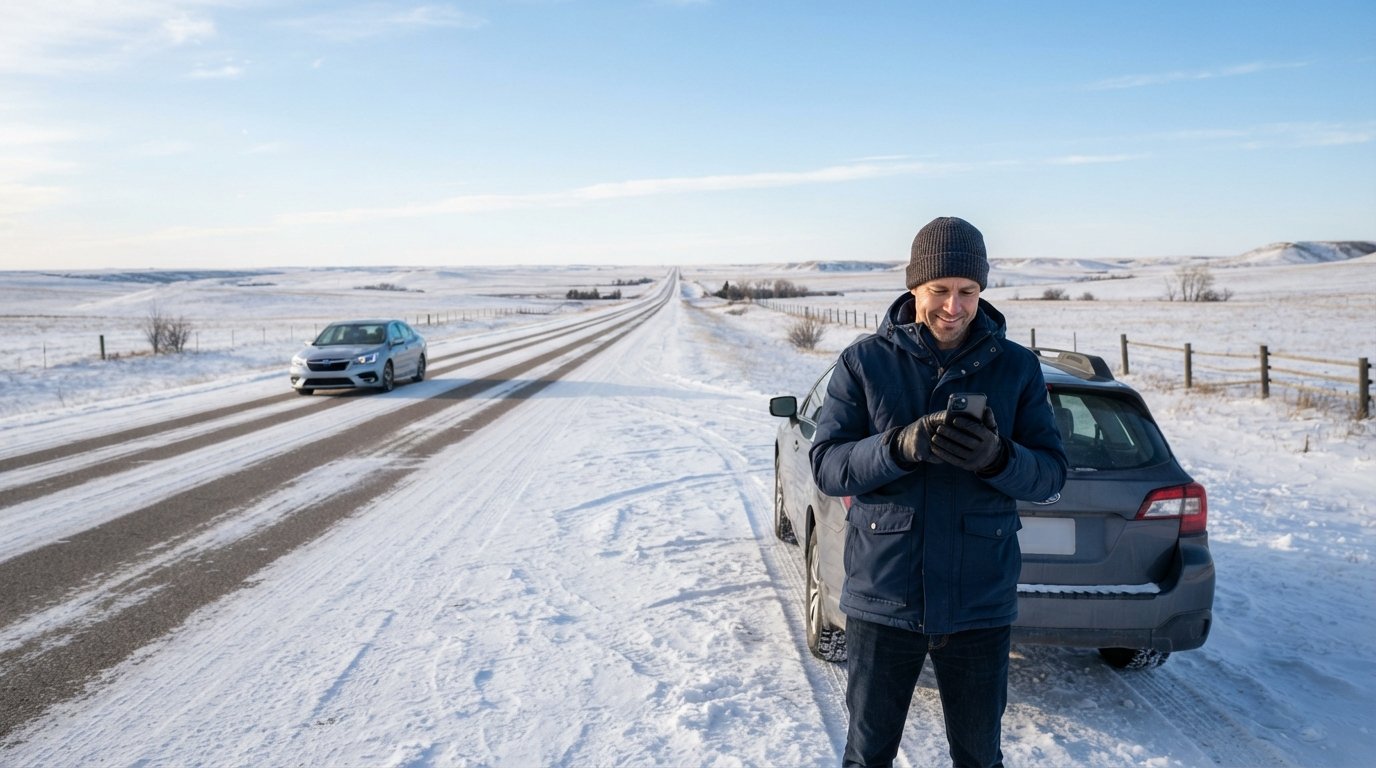
Car Insurance North Dakota: Average Rates and Discounts
See average car insurance North Dakota rates and the discounts that cut premiums. Call (833)-214-7506 to compare personalized quotes from licensed agents.

By James Carter
If you live in North Dakota, you already know that long commutes, harsh winters, and wide-open highways shape daily driving. What you might not know is that your state is consistently one of the most affordable places in the country for auto insurance. According to recent industry data, the average annual premium in North Dakota runs well below the national average, often landing between $1,100 and $1,500 for full coverage depending on your profile. That is good news for your budget, but it does not mean you should accept the first quote you receive. Understanding car insurance North Dakota average rates and discounts is the fastest way to keep more money in your pocket while maintaining solid protection. This guide breaks down what drivers actually pay, which discounts are worth pursuing, and how to compare policies without wasting hours on the phone.
What Drivers Actually Pay: Average Car Insurance Rates in North Dakota
North Dakota occupies a sweet spot in the insurance market. The state has fewer vehicles per square mile than most, lower rates of vehicle theft, and a relatively stable driving population. Those factors push premiums down. Recent studies from major insurance research firms place the average annual premium for a full coverage policy in North Dakota at roughly $1,400, while minimum liability coverage averages closer to $450 per year. By comparison, the national average for full coverage hovers near $2,000, which means North Dakota drivers save hundreds of dollars annually on similar protection.
Of course, averages only tell part of the story. Your actual rate depends on your age, driving record, vehicle, and where you garage your car. A 45-year-old homeowner in Fargo with a clean record may pay far less than a 19-year-old renter in Williston with a speeding ticket. The table below gives you a realistic starting point based on coverage level and driver profile, so you can see where you might fall.
- Minimum liability coverage: $400 to $550 per year for good drivers with clean records.
- Full coverage (liability plus collision and comprehensive): $1,200 to $1,600 per year for most adults.
- Young drivers (under 25): $2,200 to $3,500 per year for full coverage, depending on whether they remain on a parent policy.
- Drivers with one at-fault accident or ticket: Expect a 20 to 40 percent increase over the clean-record average.
These figures are estimates, not quotes. Insurers weigh dozens of variables, and two companies can quote wildly different prices for the same driver. That is why comparing multiple offers is not just a suggestion but a necessity. A difference of $400 or $500 per year between carriers is common in North Dakota, and finding that gap requires shopping around with several licensed agents. If you are also financing a vehicle, keep in mind that lenders often require full coverage, which pushes you toward the higher end of the range. For drivers focused on new vehicles, resources like the guide on best affordable car insurance for new vehicles can help you balance lender requirements with budget-friendly premiums.
North Dakota Minimum Requirements and the No-Fault System
Before you shop for discounts, you need to know what the state actually requires. North Dakota operates under a no-fault insurance system, which means your own insurance company pays your medical bills after an accident regardless of who caused it. In exchange for that prompt payment, your ability to sue the other driver is limited unless your injuries meet certain serious thresholds. This system is designed to reduce lawsuits and speed up claims, but it also means your personal injury protection coverage matters more than it might in a traditional fault state.
The state mandates the following minimum coverage limits for all registered vehicles:
- Bodily injury liability: $25,000 per person and $50,000 per accident.
- Property damage liability: $25,000 per accident.
- Personal injury protection (PIP): $30,000 per person for medical expenses, lost wages, and essential services.
- Uninsured and underinsured motorist coverage: $25,000 per person and $50,000 per accident.
These minimums are modest, and many financial experts recommend higher limits if you have assets to protect. A serious accident can easily exceed $50,000 in medical costs, and if you are found at fault, you are personally responsible for any amount above your policy limits. Drivers who carry only the legal minimum often face financial ruin after a major crash. If you want to understand how uninsured motorist coverage works in greater detail, NewAutoInsurance.com offers a dedicated page on the topic that explains when this coverage applies and why it is worth considering even when the state minimum feels sufficient.
One more quirk of North Dakota law: you must carry proof of insurance in your vehicle at all times, and the state uses an electronic verification system that allows law enforcement to confirm coverage on the spot. Driving without insurance can lead to fines, license suspension, and mandatory high-risk pool coverage, which costs far more than a standard policy. Staying continuously insured is both a legal requirement and a financial smart move.
Common Discounts That Lower North Dakota Premiums
Discounts are the easiest lever you can pull to reduce your premium without sacrificing coverage. North Dakota insurers offer a wide range of them, and many stack on top of each other. The key is knowing which ones you qualify for and asking for them explicitly, because agents do not always volunteer every option. Below are the most common and valuable discounts available to North Dakota drivers.
Safe driver and accident-free discounts reward you for maintaining a clean record. Most carriers reduce premiums by 10 to 25 percent after three to five years without an at-fault accident or moving violation. Some companies offer a diminishing deductible or a safe driver app that monitors your habits and grants additional savings at renewal. If you have a spotless record, make sure every quote you request reflects that fact.
Multi-car and multi-policy discounts are two of the biggest money savers. Insuring two or more vehicles on the same policy typically trims 10 to 20 percent off the total. Bundling auto with homeowners or renters insurance can save another 10 to 25 percent. North Dakota has a high rate of homeownership compared with the national average, so many drivers can take advantage of bundling. Even renters can bundle, and the savings often exceed the cost of the renters policy itself.
Good student and distant student discounts apply to younger drivers. Full-time students with a B average or better often qualify for a 10 to 15 percent reduction. If a student attends school more than 100 miles from home and leaves the car behind, some carriers offer a distant student discount that removes the vehicle from the high-risk rating category. These discounts can make a meaningful difference for families with teenagers.
Defensive driving and mature driver discounts are available to drivers who complete an approved safety course. North Dakota does not mandate a specific course for all drivers, but many insurers offer 5 to 10 percent off for completion, and some extend the discount to drivers over 55 who take a mature driver refresher. The courses are inexpensive and can pay for themselves within a single policy term.
Vehicle safety and anti-theft discounts reward you for features like airbags, electronic stability control, anti-lock brakes, and alarm systems. Because North Dakota has low theft rates overall, these discounts tend to be smaller than in urban states, but they still add up. Ask your agent which safety features on your vehicle qualify and whether the discount applies automatically or requires documentation.
Payment and loyalty discounts are often overlooked. Paying your premium in full every six or twelve months instead of monthly can save 5 to 10 percent. Signing up for paperless billing and automatic payments adds another small reduction. Long-term customer loyalty discounts also exist, though they vary widely by carrier. If you have been with the same insurer for years, ask whether a loyalty credit applies or whether switching would yield a better rate.
What Drives Your Rate Up or Down in North Dakota
Geography matters more than you might expect. North Dakota is largely rural, and rural drivers generally pay less than urban ones because they face lower traffic density and fewer theft claims. However, the state's harsh winters create a counterweight. Snow, ice, and gravel roads increase collision and comprehensive claims, especially for drivers who commute long distances. If you live in Fargo, Bismarck, or Grand Forks, you may see slightly higher rates than someone in a small town like Grafton or Rugby, but the difference is usually modest compared with other states.
Credit history is another major factor. North Dakota is one of the states that permits insurers to use credit-based insurance scores when setting rates, and a poor score can increase your premium by 30 percent or more. If your credit has improved since you last shopped for insurance, requesting new quotes could reveal significant savings. Similarly, your claims history follows you for several years. Even a single comprehensive claim for a cracked windshield or hail damage can affect your rate at renewal, though comprehensive claims are treated more leniently than at-fault accidents.
Vehicle choice also plays a role. Newer vehicles cost more to repair, which raises collision and comprehensive premiums, but they often qualify for safety discounts. Older vehicles may be cheaper to insure, but if you drop full coverage to save money, you risk losing the vehicle's value in a crash. The right balance depends on your budget and risk tolerance. For drivers who are financing or leasing, the lender's requirements usually dictate full coverage regardless of the vehicle's age.
Finally, consider how you use your car. Commuting long distances increases your exposure to risk, while low-mileage drivers often qualify for usage-based programs that reward them for driving less. If you work from home or drive fewer than 7,500 miles per year, ask about telematics or low-mileage discounts. These programs are becoming more common in North Dakota, and they can deliver savings of 10 to 30 percent for the right driver.
How to Compare Quotes and Capture Every Discount
Comparing quotes is the single most effective way to lower your premium, but it requires a little organization. Start by gathering your current policy declarations page, your vehicle identification numbers, and a list of any discounts you believe you qualify for. Then request quotes from at least three licensed agents or carriers. Be consistent: ask each one for the same coverage limits and deductibles so you are comparing apples to apples. A quote that looks cheaper may simply carry lower limits that leave you underinsured.
Follow these steps to make the process efficient and thorough:
- List your must-have coverage. Decide whether you need full coverage, higher liability limits, or additional PIP protection before you shop.
- Request identical quotes from multiple agents. Provide the same driver, vehicle, and coverage details to each one.
- Ask about every discount explicitly. Mention your safe driving record, bundling options, student status, and vehicle safety features.
- Review the fine print. Check deductibles, exclusions, and whether the quote includes roadside assistance or rental reimbursement.
- Re-shop every renewal. Rates change, and a carrier that was cheapest two years ago may no longer be competitive.
If you are also carrying an auto loan, your insurance and financing decisions are connected. A higher deductible can lower your premium, but it also means more out-of-pocket cost after a crash. Some drivers find that refinancing their car loan to a lower rate frees up room in the budget for better insurance coverage. Platforms like CarLoanRefinancing provide educational resources and rate comparisons that can help you evaluate whether refinancing makes sense for your situation, which in turn can make comprehensive coverage more affordable.
One final consideration: do not chase the lowest price at the expense of service. A carrier with a rock-bottom premium but a poor claims reputation can cost you far more in time, stress, and out-of-pocket expenses when you actually need help. Read independent reviews, check complaint ratios with the North Dakota Insurance Department, and ask agents how claims are handled. The best policy is the one that balances price, coverage, and reliability for your specific needs.
Car insurance North Dakota average rates and discounts favor drivers who take the time to understand the market. With some of the lowest premiums in the nation, a no-fault system that rewards prompt medical care, and a long list of available discounts, North Dakota drivers have a genuine opportunity to save. Compare at least three quotes, ask for every discount you deserve, and revisit your policy each year. A few hours of comparison shopping can easily save you several hundred dollars annually, and that is money better spent on winter tires, gas, or simply staying ahead of your budget.