Owning a Tesla is a unique experience. The instant torque, over-the-air updates, and minimalist interior set it apart from any other vehicle on the road. But that uniqueness extends to insurance as well. Standard auto policies often fall short when covering a Tesla, leaving owners exposed to high repair costs and long downtimes. Finding the best auto insurance for Tesla owners is not just about price. It is about finding a policy that understands the specific needs of an electric luxury vehicle. This guide breaks down what you need to look for, which companies stand out, and how to avoid common pitfalls.
Why Tesla Insurance Is Different from Standard Coverage
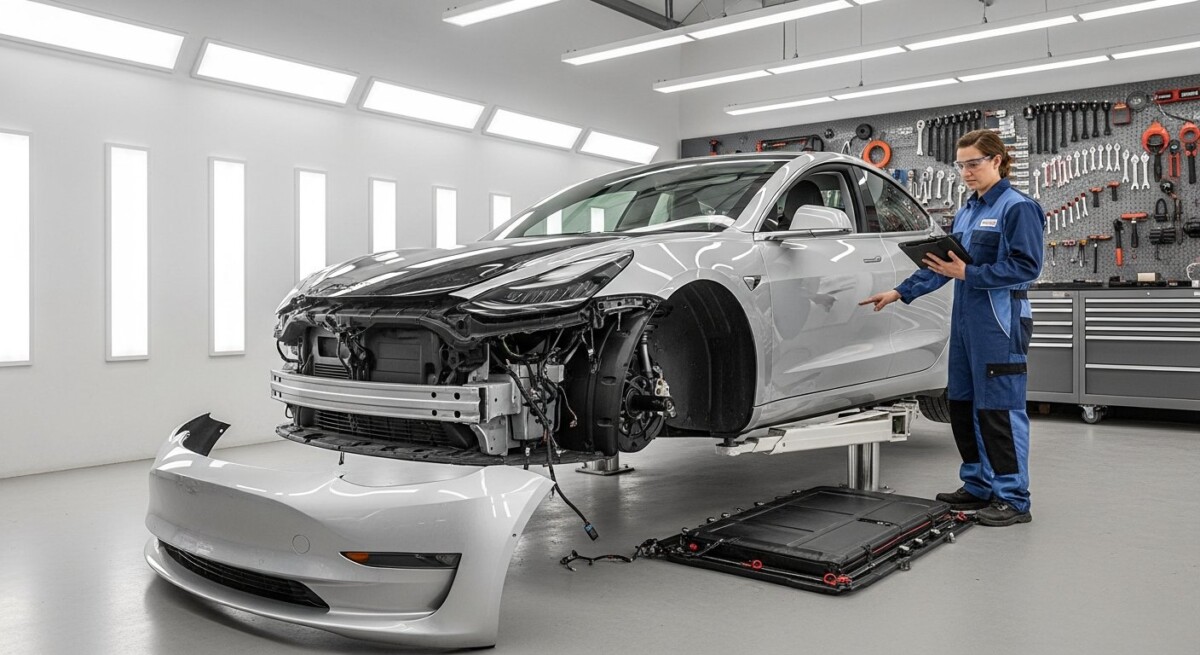
Insuring a Tesla is fundamentally different from insuring a traditional gasoline car. The cost to repair a Tesla is significantly higher due to the use of aluminum body panels, advanced sensor arrays, and specialized battery systems. Only certified body shops can perform certain repairs, and parts can take weeks to arrive. This means a minor fender bender can result in a bill that is two to three times higher than a comparable accident in a Honda or Toyota.
Additionally, Tesla vehicles are more prone to total loss claims because of the battery pack. If the battery is damaged, replacement costs can exceed the vehicle’s value, even in a relatively low-speed collision. Standard insurers often do not account for these factors correctly. They may undervalue the vehicle, use non-OEM parts, or refuse to cover rental cars for the extended repair period. That is why you need a carrier that specializes in high-value or electric vehicles. In our guide on best auto insurance for electric vehicles, we explain how insurers evaluate battery depreciation and charging-related risks.
Key Coverage Features Tesla Owners Must Have
When shopping for the best auto insurance for Tesla owners, you need to look beyond the state minimum. The right policy includes specific endorsements and coverage limits that protect your investment.
Agreed Value vs. Actual Cash Value
Most standard policies pay out Actual Cash Value (ACV) after a total loss. ACV subtracts depreciation, which can be steep for early Tesla models. Instead, look for an Agreed Value policy. With Agreed Value, you and the insurer set the car’s worth at the start of the policy. If the car is totaled, you receive that full amount, no questions asked. This is critical because Tesla resale values can be volatile, and you do not want to fight the insurer over what the car is worth after a crash.
New Car Replacement and Gap Coverage
If you financed or leased your Tesla, Gap insurance is essential. If the car is totaled in the first year or two, you may owe more on the loan than the car is worth. Gap coverage pays the difference. Some insurers offer New Car Replacement, which gives you a brand-new Tesla of the same model if yours is totaled within the first two or three model years. This is one of the most valuable features for new Tesla owners.
Rental Reimbursement with Extended Duration
Because Tesla repairs take longer than average, you need rental reimbursement coverage that lasts at least 60 days. Standard policies often cap rental coverage at 30 days. If your Tesla is in the shop for six weeks waiting for a windshield or a bumper sensor, you could be stuck paying out of pocket for a rental car. Ensure your policy includes a high daily limit and a long coverage period.
Original Equipment Manufacturer (OEM) Parts Coverage
Many insurers try to save money by using aftermarket or salvaged parts for repairs. For a Tesla, using non-OEM parts can void the vehicle warranty or compromise safety systems. You need a policy that mandates OEM parts for all repairs, not just during the warranty period. This is a non-negotiable feature when searching for the best auto insurance for Tesla owners.
Top Insurance Companies for Tesla Vehicles
Not all insurers are created equal when it comes to Tesla. Based on market analysis and owner reviews, the following companies consistently deliver strong coverage and service for Tesla drivers.
- State Farm offers a specialized electric vehicle policy with agreed value options and OEM parts guarantees. They have a network of approved repair shops that are certified for Tesla.
- Geico provides competitive rates for Tesla owners, especially those with clean driving records. Their rental reimbursement period can be extended to 60 days for an additional premium.
- Progressive is known for its name-your-price tool and gap coverage. They also offer diminishing deductible programs that reward safe driving.
- Travelers includes new car replacement and a 24/7 claims service that prioritizes electric vehicle repairs. They have a dedicated EV claims team.
- Chubb and AIG are high-net-worth insurers that offer comprehensive coverage with zero depreciation on parts and guaranteed repair timelines.
Each of these carriers has different underwriting guidelines. Some may require you to install a telematics device or agree to a mileage cap to qualify for the best rates. It is worth getting quotes from at least three of them to compare both price and coverage details. If you have a financed Tesla, also refer to our article on best auto insurance for financed cars for additional tips on lender requirements.
How to Lower Your Tesla Insurance Premium
Insurance for a Tesla is often 20 to 40 percent more expensive than a comparable gas-powered luxury car. However, there are several strategies to reduce your premium without sacrificing essential coverage.
First, bundle your Tesla policy with your homeowners or renters insurance. Most major insurers offer a multi-policy discount of 10 to 15 percent. Second, increase your deductible from the standard $500 to $1,000 or even $2,500. This can lower your monthly premium by up to 25 percent. Just make sure you have that amount set aside in an emergency fund.
Third, take advantage of usage-based insurance programs. Many insurers offer discounts for low-mileage drivers. If you use your Tesla mainly for commuting short distances or for errands, you can save significantly. Our guide on best auto insurance for low mileage drivers outlines how these programs work and which carriers offer the best discounts.
Fourth, maintain a clean driving record. Tesla vehicles are equipped with Autopilot and advanced safety features, but insurers still rate drivers heavily on at-fault accidents and moving violations. A single speeding ticket can increase your premium by 20 percent or more. Finally, consider taking a defensive driving course. Some insurers provide a discount for completing an accredited course, even if you are not required to by the state.
What to Do After a Tesla Accident
If you are involved in an accident with your Tesla, the claims process is more complex than with a standard vehicle. You need to follow specific steps to protect your coverage and ensure a fair settlement.
First, document everything thoroughly. Take photos of the damage from multiple angles, including the battery pack area, sensors, and camera housings. Do not move the vehicle unless it is in a dangerous location. Tesla vehicles have event data recorders that capture speed, braking, and steering inputs. Do not attempt to clear any error codes or reset the system before the adjuster arrives.
Second, contact your insurer immediately. Many policies have a 24-hour reporting requirement for accidents involving airbag deployment or suspected battery damage. If you delay, the insurer could deny coverage. When you call, ask specifically about the claims process for electric vehicles. Request a Tesla-certified repair shop. If the insurer tries to send you to a non-certified shop, push back. Using an uncertified shop can void your warranty and lead to improper repairs.
Third, understand your rights regarding diminished value. After a Tesla is repaired, its resale value drops even if the repair is perfect. In many states, you can file a diminished value claim against the at-fault driver’s insurance. This is especially important for Tesla owners because a carfax report showing structural damage can reduce the car’s value by thousands of dollars. If you are leasing, also check our guide on best auto insurance for leased vehicles for specific lease-end responsibilities.
Frequently Asked Questions
Does Tesla offer its own insurance? Yes, Tesla Insurance is available in several states. It uses real-time driving data from your vehicle to calculate premiums. It can be very competitive for safe drivers, but it may not offer the same level of customization or customer service as traditional carriers. It is worth comparing Tesla Insurance against other options.
Is comprehensive coverage required for a Tesla? If you have a loan or lease, yes, your lender will require both comprehensive and collision coverage. Even if you own the car outright, comprehensive coverage is strongly recommended because it covers damage from theft, vandalism, animal strikes, and weather events that are common in some regions.
Can I use any repair shop for my Tesla? No. Tesla requires repairs to be performed at a Tesla-certified body shop. Using an uncertified shop can void your warranty and may result in substandard repairs. Always confirm that your insurer will cover repairs at a certified shop.
How much does Tesla insurance cost per month? The average cost for Tesla insurance ranges from $150 to $400 per month, depending on the model, your driving history, location, and coverage limits. The Model S and Model X are more expensive to insure than the Model 3 and Model Y due to higher repair costs.
Does my insurance cover the Tesla charging equipment? Standard auto policies do not cover charging cables or wall connectors that are not attached to the vehicle. You may need to add a rider or schedule the equipment on your homeowners policy to ensure it is covered against theft or damage.
Final Thoughts on Tesla Insurance
Finding the best auto insurance for Tesla owners requires a shift in mindset. You are no longer insuring a simple machine. You are insuring a sophisticated computer on wheels with unique repair requirements and high replacement costs. The cheapest policy on the market will likely cost you more in the long run if it does not include OEM parts, adequate rental coverage, or agreed value protection. Take the time to compare policies from multiple carriers, read the fine print, and ask questions about how they handle EV-specific claims. Your Tesla deserves coverage that matches its technology.