
ATV and Off Road Vehicle Insurance Requirements Explained
ATV and off road vehicle insurance requirements vary by state, lender, and trail. Call (833)-214-7506 to compare quotes and avoid costly coverage gaps.

By Freya Collins
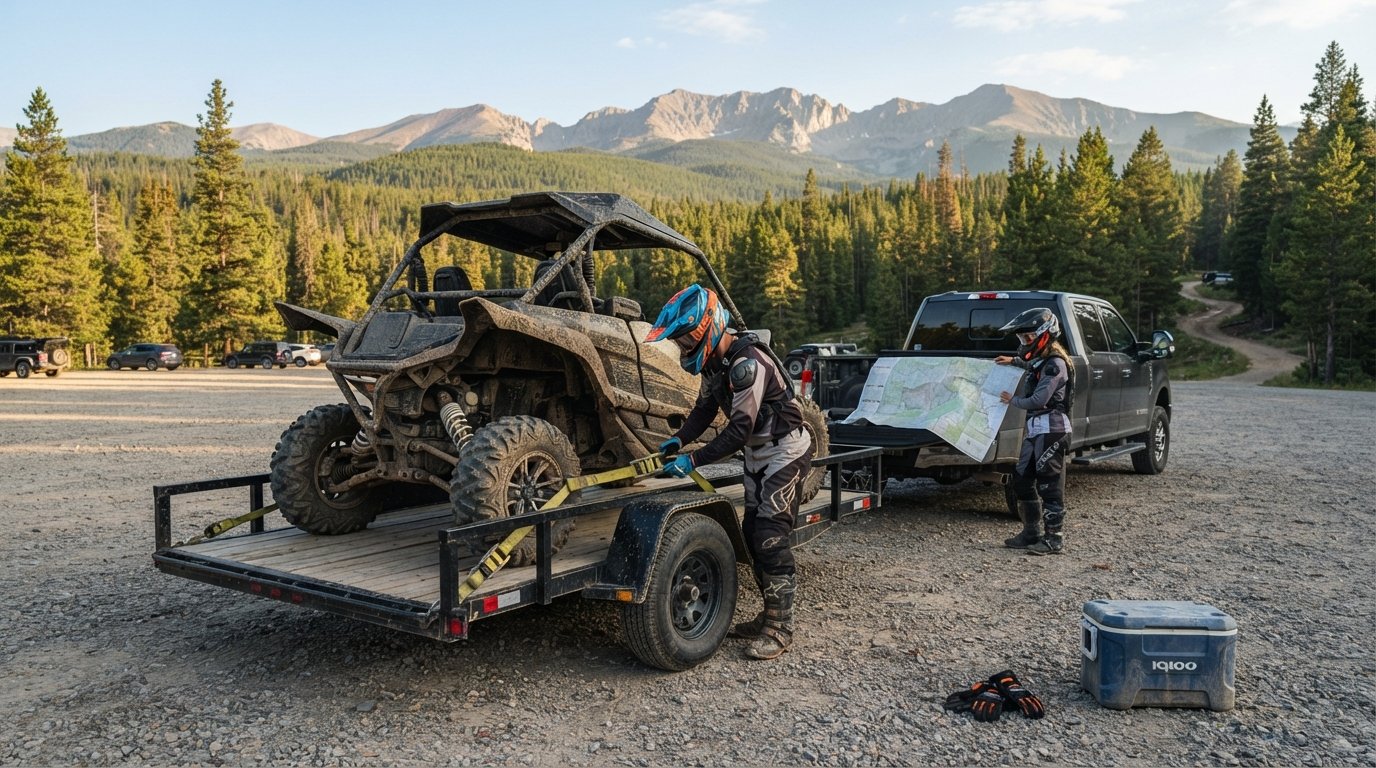
Picture this: you have just loaded your side-by-side onto the trailer for a weekend of trail riding. The sun is out, the route is mapped, and everything feels ready. Then a question creeps in: if something goes wrong out there, who pays for the damage, the injuries, or the tow truck? For millions of riders, the answer depends entirely on understanding ATV and off road vehicle insurance requirements before the wheels ever leave the driveway. These rules are not identical to standard car insurance, and they vary dramatically by state, by lender, and by where you ride. Getting this wrong can mean paying out of pocket for a wrecked machine, facing fines on public trails, or discovering that your homeowners policy will not touch a claim involving a motorized vehicle. This guide walks through when coverage is legally required, when it is simply wise, what the main coverage types actually do, and how to compare quotes without overpaying.
When ATV and Off Road Vehicle Insurance Is Required
The single biggest misconception among riders is that ATVs, UTVs, and dirt bikes are always exempt from insurance mandates because they are not driven on public roads. That is only partially true. On private property in many states, no policy is mandated at all. The moment you move onto public land, however, the picture changes quickly. Several states require liability coverage to operate an ATV on designated public trails, and enforcement officers can and do ask for proof of insurance at trailheads and staging areas.
Beyond state law, two other forces create binding requirements. The first is a lender. If you financed your ATV, side-by-side, or dirt bike, the financing agreement almost certainly requires you to carry physical damage coverage (comprehensive and collision) until the loan is paid off, just as a car lender would. The second is a landowner or event organizer. Private trail systems, riding parks, and organized races frequently make proof of liability insurance a condition of entry. In practice, this means the answer to "is ATV insurance required?" is: sometimes by statute, often by contract, and always by common sense.
Because requirements differ so widely, the only reliable approach is to check three sources before you ride: your state's motor vehicle or natural resources agency, your financing paperwork, and the rules of the specific trail or park you plan to visit. A rider in one state may face a mandatory liability rule on public trails while a rider one state over faces none, and a rider with a loan faces a requirement regardless of state law. Treating ATV and off road vehicle insurance requirements as a single national rule is the fastest way to get caught off guard.
Coverage Options: Liability, Collision, and Accessory Protection
Once you know a policy is needed or wanted, the next step is understanding what you are actually buying. Off road vehicle insurance is typically built from modular parts, and you can assemble a policy that matches how you ride. The core building blocks fall into a few clear categories, and knowing them makes quote comparisons far more meaningful than simply comparing bottom-line prices.
- Liability coverage: Pays for injuries or property damage you cause to others. This is the coverage most often mandated on public trails and the one that protects your savings if you collide with another rider or a hiker's property.
- Collision coverage: Pays to repair or replace your machine after a crash, rollover, or impact with an object, regardless of fault. Lenders usually require it on financed vehicles.
- Comprehensive coverage: Handles non-collision losses such as theft, fire, vandalism, or storm damage. ATVs and side-by-sides are high-theft targets, so this coverage earns its keep for many owners.
- Accessory and custom parts coverage: Protects upgrades like winches, light bars, upgraded tires, and custom paint that a standard policy might otherwise exclude or cap.
- Medical payments and uninsured rider coverage: Helps with your own medical bills after an accident and fills gaps when the at-fault rider has no insurance.
For riders who use their machines year-round, many insurers also offer optional roadside assistance and trailer coverage, which can matter when a breakdown happens miles from the nearest paved road. The right combination depends on your situation: a financed trail machine ridden on public land calls for a fuller package, while a paid-off farm ATV used only on private property may need little more than liability and comprehensive theft protection. If you also own a street-legal vehicle, it is worth reviewing how specialized policies fit alongside your existing coverage; our guide on electric vehicle insurance coverage illustrates how specialty vehicle policies are structured, and the same modular logic applies to off road machines.
Factors That Affect ATV and Off Road Vehicle Insurance Rates
Insurers price off road policies using a mix of vehicle, rider, and usage factors. Understanding these variables gives you real leverage when shopping, because you can often change a detail or two and watch the premium move. The most common rating factors include the following.
Vehicle characteristics come first. Engine displacement, machine type (ATV versus side-by-side versus dirt bike), age of the vehicle, and replacement cost all influence the base rate. A high-performance sport ATV typically costs more to insure than a utility model, and a new side-by-side with a five-figure price tag costs more than an older machine. Theft risk in your area also matters, since comprehensive pricing reflects local crime patterns.
Rider history is the second pillar. Your age, years of riding experience, driving record, and claims history all feed into the quote. Younger riders and those with recent at-fault accidents generally pay more. Usage rounds out the picture: where you ride (public trails versus private land), how often you ride, whether you race competitively, and whether the vehicle is stored in a garage or an open yard all affect pricing. Discounts exist too, including multi-policy discounts when you bundle with auto or homeowners coverage, safety course completions, and loyalty credits. Riders who take a few minutes to gather these details before requesting quotes usually find the comparison process faster and the results more accurate.
How to Get Quotes for ATV Insurance
Getting quotes for ATV and off road vehicle insurance is a straightforward process if you prepare in advance. Because NewAutoInsurance.com is an independent educational resource rather than an insurance carrier, the practical path is to gather your information, compare multiple offers through a quote service that connects you with licensed agents, and then evaluate the offers side by side. The steps below outline a clean process.
- Gather your vehicle details: make, model, year, engine size, VIN, and any modifications or accessories.
- Collect rider information: ages and experience levels of everyone who will operate the machine, plus your riding history.
- Document usage: where and how often you ride, whether you race, and where the vehicle is stored.
- Request multiple quotes through a comparison service so you can see several offers with identical coverage limits.
- Compare the quotes on coverage limits, deductibles, exclusions, and total annual cost, not just the monthly figure.
When the quotes arrive, resist the urge to pick the cheapest number immediately. Line up the liability limits, deductibles, and accessory caps side by side, because a low premium often hides thin coverage. Ask each agent specifically whether trail use is covered, whether racing is excluded, and how accessories are valued. It also helps to think about the broader financial picture: just as refinancing a car loan can free up monthly cash, reviewing your vehicle loan refinancing options can lower the payment on a financed ATV or tow vehicle, making room in the budget for proper coverage. Once you have two or three strong offers, you can negotiate or adjust deductibles to land on a policy that fits both your riding style and your wallet.
Common Mistakes and Practical Tips for Riders
The most expensive mistake riders make is assuming an existing homeowners or auto policy will cover an off road vehicle. In reality, those policies often exclude motorized vehicles entirely or apply narrow coverage only while the machine is on your own property. A theft from a trailhead parking lot or a crash on public land frequently falls outside the homeowners policy, leaving the owner with nothing. Reading the exclusions page of your existing policies before you buy a dedicated off road policy is a five-minute task that can prevent a five-figure surprise.
Another frequent gap involves accessories. Riders spend thousands on winches, suspension upgrades, and lighting, then buy a policy that caps accessory coverage at a token amount. If your machine is modified, confirm the accessory limit in writing and consider scheduled coverage for high-value parts. Similarly, riders who occasionally lend their machine to a friend should verify that permissive use is covered, and riders who race should confirm whether competition use is excluded, since most standard policies exclude racing.
Finally, treat your policy as a living document. Update it when you move, add a rider, install major accessories, or change how often you ride. Reviewing ATV and off road vehicle insurance requirements annually, ideally before riding season begins, keeps you compliant with state rules and lender obligations while ensuring the coverage matches the machine you actually own today. A few minutes of review each year is far cheaper than discovering a gap at the worst possible moment.
Off road riding is supposed to be about fresh air and open trails, not paperwork anxiety. By confirming the rules that apply to you, choosing coverage that matches your machine and riding style, and comparing quotes with the same limits across several offers, you can protect both your equipment and your finances. Start with your state agency and your lender, build a policy around liability and physical damage, and revisit it every season. Riders who do that spend less time worrying and more time riding.