
Antique and Classic Car Insurance: Specialized Coverage Guide
Protect your collector vehicle with antique and classic car insurance specialized coverage. Call (833)-214-7506 for expert guidance on agreed value and usage terms.

By Freya Collins
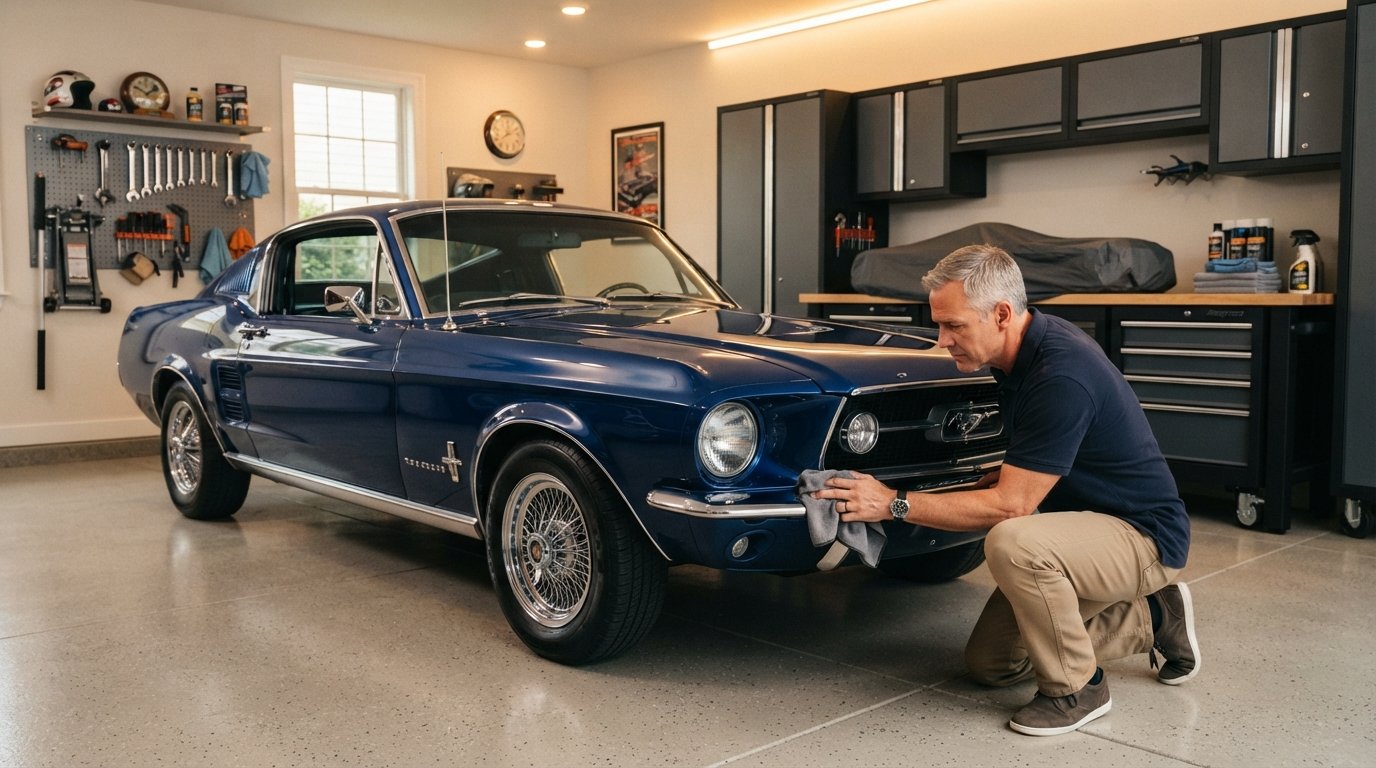
A 1967 Ford Mustang sits in a garage, driven only on sunny weekends. Its owner has a standard auto policy, assuming it provides adequate protection. Then a hailstorm strikes, and the insurer offers a settlement based on a twenty-year-old depreciation schedule, far below the car's true market value. This scenario plays out regularly because standard policies are not built for collector vehicles. Antique and classic car insurance specialized coverage exists precisely to close that gap, offering valuation methods, usage terms, and perks that align with how collector cars are actually owned and driven. Whether you have a restored muscle car, a pre-war sedan, or a modern collectible, understanding this niche coverage helps you protect your investment without overpaying for the wrong policy.
What Makes Antique and Classic Car Insurance Different
Standard auto insurance is designed for daily drivers. It assumes constant exposure to traffic, weather, and parking lot dings, and it depreciates the vehicle's value over time. Collector car policies flip that logic. They recognize that the vehicle is not a commuter appliance but a carefully maintained asset, often appreciating in value. As a result, insurers underwrite these policies with different rating factors: agreed value rather than actual cash value, mileage limits, secure storage requirements, and a focus on the vehicle's condition and rarity.
This specialization matters because a standard policy will almost never pay what a collector car is worth on the open market. If your 1970 Chevrolet Chevelle is totaled, a conventional insurer may offer book value that ignores restoration costs, matching numbers, or documented provenance. A specialized policy, by contrast, starts with an agreed value that both parties accept at the outset. That single difference can mean tens of thousands of dollars in a claim settlement.
Another distinction is the range of perks. Many collector policies include flatbed towing to a repair shop of your choice, spare parts coverage, and even coverage for memorabilia or tools. Some offer inflation guard protection that automatically adjusts the agreed value each year. These features are rarely found in mass-market auto policies, and they reflect the unique risks and needs of the collector community.
What Qualifies as an Antique or Classic Car
Insurers use specific definitions, and those definitions vary by company and state. Generally, a classic car is at least 15 to 25 years old, while an antique is often 25 to 45 years old or older. But age alone is not enough. The vehicle typically must be maintained in original or restored condition, used primarily for exhibitions, club activities, parades, or occasional pleasure drives, and not for daily commuting or commercial purposes. Some insurers also set minimum value thresholds or require a garage.
Here is a practical breakdown of how many collector policies categorize vehicles:
- Antique: Usually 25 years or older, maintained in original condition, often pre-1940s but not always.
- Classic: Generally 15 to 25 years old, restored or well-preserved, and of collectible interest.
- Modern collectible: High-performance or limited-production vehicles, sometimes fewer than 15 years old, that have demonstrated collector demand.
- Modified or custom: Vehicles with aftermarket modifications, which may require a specialty policy or rider.
Documentation helps. Photos, restoration receipts, appraisal reports, and a clean title all support your application and can prevent disputes at claim time. If you are unsure where your vehicle fits, ask a licensed agent who works with collector policies. Our guide on classic car coverage and quotes walks through the documentation collectors typically need.
Agreed Value vs Actual Cash Value Coverage
The valuation method is the heart of antique and classic car insurance specialized coverage. Actual cash value (ACV) pays replacement cost minus depreciation. For a collector car, that formula is almost always a losing proposition because depreciation schedules do not account for restoration quality, rarity, or market demand. Agreed value, sometimes called stated value in a different context, sets a fixed dollar amount at policy inception. If the car is totaled, the insurer pays that agreed amount, subject to policy terms, without a depreciation deduction.
Here is how the two approaches compare in practice:
- Agreed value: Fixed payout established at underwriting, often requires an appraisal or documented value, and provides predictability for the collector.
- Actual cash value: Payout based on market value at the time of loss minus depreciation, which can be far below restoration and collector value.
- Stated value: A declared amount that may be subject to actual cash value calculations at claim time, so read the fine print carefully.
Agreed value policies usually cost more than a bare-bones standard policy, but the difference is often smaller than collectors expect, especially when mileage is limited. The key is to review the agreed value annually. If you complete a restoration or the market for your model rises, request an update. Some policies include automatic inflation adjustments, but you should still verify the number.
Usage Restrictions and Mileage Limits
Specialized collector policies come with usage restrictions because the insurer is pricing for limited exposure. Typical restrictions include no daily commuting, no commercial use, no driving to work or school, and mileage caps that range from 1,000 to 7,500 miles per year. Some policies are more flexible, offering unlimited mileage for pleasure driving but still excluding commuting. The trade-off is straightforward: lower mileage and restricted use translate into lower premiums.
Collectors should track mileage honestly and understand how the insurer defines a covered event. A weekend club rally is usually fine; a cross-country road trip may exceed the mileage cap or require a rider. If you plan to drive more than the standard limit, ask about higher-mileage programs. Some insurers offer tiered mileage options, and the cost difference between 3,000 and 6,000 miles per year is often modest.
Storage requirements also matter. Many policies require a locked garage or carport, and some require proof of a security system. If your car is stored in a shared facility, confirm that the policy covers that arrangement. These details are not arbitrary; they reflect the insurer's risk model, and meeting them keeps your coverage valid.
How to Compare Classic Car Insurance Quotes
Comparing quotes for antique and classic car insurance specialized coverage requires more than lining up premium numbers. You need to compare agreed values, usage restrictions, mileage caps, deductibles, and included perks. A lower premium may come with a lower agreed value or stricter mileage limits, which could leave you underinsured. Start by gathering your vehicle documentation, then request quotes from multiple specialized carriers through an independent comparison resource.
Follow these steps to make a meaningful comparison:
- Document your vehicle's value with an appraisal, receipts, and photos.
- List your expected annual mileage and intended use (club events, pleasure drives, occasional errands).
- Request quotes with the same agreed value and deductible so the comparison is apples to apples.
- Review the fine print for exclusions, storage requirements, and claim settlement terms.
- Ask about perks such as flatbed towing, spare parts coverage, and inflation guard.
After you have quotes in hand, read the policy jacket, not just the summary. Pay attention to how the insurer handles partial losses, whether original parts are required for repairs, and whether you have a choice of repair shop. These details often matter more than a few dollars of premium difference. If you need financing options for a vehicle purchase or restoration, services like AutoTitleLoan.com connect consumers with auto loan financing options, though collectors should always prioritize policy terms over financing convenience.
Finally, consider bundling. Many collectors insure multiple vehicles, and multi-vehicle discounts can be substantial. Bundling a collector policy with homeowners or renters coverage may also unlock savings, though you should confirm that the collector policy still provides agreed value and the perks you need. Our site focuses on unbiased education and connecting you with licensed agents for personalized quotes, not on selling policies directly.
Common Pitfalls and Practical Tips
One common mistake is assuming a standard policy with a rider is equivalent to a specialized collector policy. Riders can help, but they rarely replicate agreed value or the collector-specific perks. Another pitfall is underinsuring a restoration. If you have receipts for paint, engine work, and interior, those costs should inform your agreed value. Keep a file with documentation and update it after major work.
Also, be honest about usage. If you drive your classic to work occasionally, tell the agent. Misrepresenting usage can void a claim. If your needs change, such as starting a restoration business or entering competitive events, revisit your policy. Collector insurance is flexible, but it depends on accurate underwriting.
For collectors seeking personalized guidance, calling (833)-214-7506 connects you with professionals who can discuss options. The goal is to match your vehicle, usage, and budget with a policy that pays what your car is worth when it matters most.