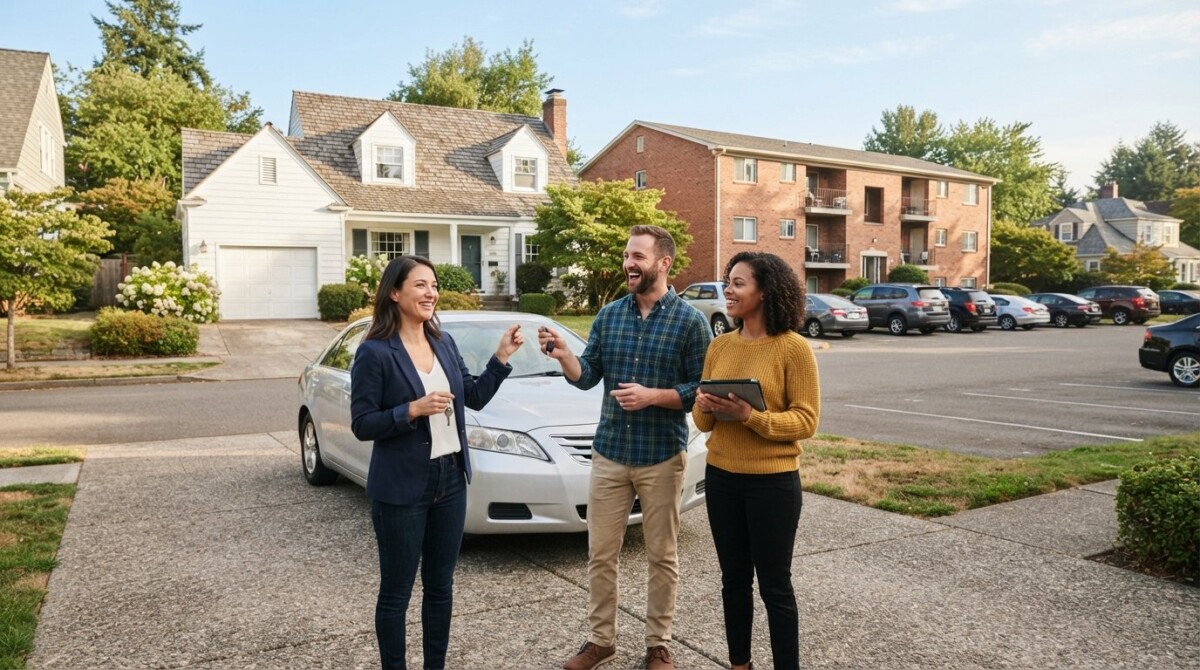
When you rent an apartment or own a house, your auto insurance might be the last thing on your mind. Yet the type of dwelling you live in can significantly influence what you pay for car coverage and how you protect yourself financially. Many drivers do not realize that their housing status opens the door to unique discounts, coverage gaps, and liability considerations. Understanding this connection can lead to substantial savings and better protection, whether you lease a studio or own a suburban home.
This article explores how renters and homeowners can lower their auto insurance costs, avoid common mistakes, and build a cohesive insurance strategy. You will learn about bundling, credit-based scoring, usage-based programs, and the hidden risks that come with parking at a rental property or a home with a driveway. By the end, you will know exactly which questions to ask your agent and how to structure your policies for maximum value.
Why Your Housing Situation Affects Your Auto Insurance
Auto insurance companies evaluate risk based on where you live, how you store your vehicle, and your overall financial stability. For renters, living in a multi-unit building often means higher traffic density, limited parking, and greater exposure to theft or vandalism. For homeowners, having a garage or a private driveway can reduce certain risks, but it also introduces liabilities like guests driving on your property or additional vehicles registered at your address.
Insurers also look at your credit history, which is often correlated with homeownership or long-term rental stability. In most states, a higher credit score leads to lower premiums because it signals responsible financial behavior. Renters with thin credit files may pay more, while homeowners with established credit often benefit. However, you can improve your score and revisit your rate at renewal, regardless of your housing type.
Another factor is the insurance score tied to your claims history. If you have filed renters or homeowners claims in the past, those may appear on your comprehensive loss underwriting exchange (CLUE) report and affect your auto rate. Likewise, a clean auto claims history can help you negotiate better terms on your property insurance. The two policies are more intertwined than most people assume.
Bundling Auto and Home or Renters Insurance
One of the most effective ways to save is to purchase auto and property insurance from the same carrier. Companies reward customer loyalty with a multi-policy discount that typically ranges from 5% to 25% off both premiums. This discount applies whether you own a home or rent, as long as you maintain an active renters or homeowners policy alongside your auto insurance.
For renters, a renters insurance policy is inexpensive, often costing $15 to $30 per month for $30,000 in personal property coverage. Combining it with your car insurance can lower your auto premium enough to offset the renters policy cost entirely. In our guide on how renters and homeowners can save on auto insurance, we break down the math and show real-world examples of bundling savings.
Homeowners face a larger property premium, but the bundling discount on the auto side is often more substantial. If you have a mortgage, your lender requires homeowners insurance, so you will need coverage anyway. Adding your auto policy to the same account simplifies billing and often gives you a single deductible for certain claims, such as if a tree falls on both your house and your car during a storm.
What to Check Before Bundling
Before you commit to a bundle, compare the total cost of separate policies with different carriers. Sometimes the best standalone auto rate plus a cheap renters policy from another company beats a bundle from a single insurer. Request quotes from at least three carriers and ask each for their bundled price versus the sum of separate policies. Also, confirm that the discount applies to both policies and does not expire after the first term.
Review coverage limits and deductibles carefully. A bundled policy often comes with a package discount, but you may be tempted to accept lower limits to save money. Ensure your renters or homeowners coverage is enough to replace your belongings and cover liability. Likewise, your auto liability limits should meet your state’s minimums, but ideally you should carry higher limits to protect your assets if you own a home.
Parking and Storage: How It Changes Your Rate
Where you park your car overnight is a rating factor that many drivers overlook. If you park on a busy street in front of an apartment complex, insurers see a higher risk of theft, vandalism, and collision damage. If you park in a locked garage or a private driveway, the risk drops, and your premium may reflect that. Always update your insurer when you move or change your parking situation, because outdated information can lead to incorrect rates or denied claims.
For renters, assigned parking spots in a gated lot are better than street parking, but they are still not as safe as a private garage. If your building offers a garage space, use it and notify your insurer. You may qualify for a lower comprehensive rate, which covers theft and non-collision damage. For homeowners, a garage is a major plus. If you actually park inside it, tell your agent. Some carriers offer a discount for garaged vehicles, especially in areas with hailstorms or high theft rates.
Also consider the security features of your parking location. A building with cameras, lighting, and restricted access can reduce risk. While you may not get a specific discount for these features, they help prevent claims, which keeps your record clean and your future premiums low. In contrast, parking on a public road exposes you to hit-and-runs and vandalism, which can raise your rates even if you are not at fault.
Liability Considerations for Renters and Homeowners
Your auto liability coverage protects you when you cause an accident, but your renters or homeowners policy provides liability protection for incidents that occur on your property. If a guest slips on your icy walkway or your dog bites a neighbor, your property insurance pays for their medical bills and legal fees. However, there are situations where auto and property liability overlap, and you need to understand the boundaries.
For example, if you lend your car to a friend who crashes into a pedestrian, your auto liability is primary. But if the pedestrian later sues you for negligence in allowing an unlicensed driver to use your car, your homeowners liability might step in for defense costs. Similarly, if you run a business from home and use your personal car for deliveries, both your auto and homeowners policies may exclude that activity, leaving you exposed.
To close these gaps, consider an umbrella policy that extends liability limits above your auto and homeowners coverage. An umbrella policy is usually affordable, starting at around $150 to $300 per year for $1 million in coverage. It requires you to carry minimum underlying limits, but it provides an extra layer of protection that can save your savings and your home if you face a major lawsuit.
Credit Scores and Insurance Pricing
In most states, insurers use credit-based insurance scores to determine premiums. These scores are similar to your FICO score but are tailored to predict claim likelihood. Renters with limited credit history or past financial issues may see higher auto rates. Homeowners often have better credit because they have managed a mortgage, but that is not always the case.
Improving your credit can lower your auto insurance costs. Pay down credit card balances, dispute errors on your credit report, and avoid opening new accounts before you shop for insurance. If you are a renter, building a positive rental payment history can help, but only if your landlord reports payments to credit bureaus. Ask your landlord to do so, or use a service that reports rent payments.
If you have a low credit score, you are not doomed to expensive premiums. Many insurers offer other discounts, such as safe driver, low mileage, or defensive driving course credits. You can also choose a higher deductible to lower your premium, but make sure you have the cash to cover it if you need to file a claim. Compare quotes from multiple carriers because each weighs credit differently.
Usage-Based Insurance and Telematics
Both renters and homeowners can benefit from usage-based insurance (UBI) programs that track your driving habits through a mobile app or a device in your car. These programs reward safe driving with discounts that can reach 30% or more. If you have a short commute or drive infrequently, a pay-per-mile policy could save you hundreds of dollars each year.
For renters who live close to work or use public transit, a telematics program is an excellent fit. For homeowners who work from home or have a second vehicle, you can place the device on the car you drive least and still earn a discount. The key is to drive fewer miles and avoid hard braking, rapid acceleration, and speeding.
Some drivers worry about privacy, but most programs allow you to review the data and explain any trips. You can also opt out after a policy term if you are unhappy with the discount. Before enrolling, ask your insurer if the telematics discount applies to both your auto and property policies, as some companies offer a multi-policy discount on top of the safe driving discount.
Discounts You Might Be Missing
Beyond bundling, there are several discounts that renters and homeowners often overlook. Here is a list of common savings opportunities to ask your agent about:
- Multi-vehicle discount: Insuring two or more cars on the same policy saves money.
- Mature driver discount: Drivers over 55 who complete a defensive driving course can save.
- Good student discount: Full-time students with a B average may qualify.
- Low mileage discount: Driving under a certain annual mileage threshold reduces risk.
- Paperless and auto-pay discount: Enrolling in e-billing and automatic payments earns a small credit.
Do not assume you automatically receive these discounts. Review your policy declarations page and ask your agent to check for any you are missing. Sometimes a simple phone call can save you 10% to 15% because a discount was not applied at the time of purchase. For more ideas, see our article on auto insurance for renters and homeowners savings tips.
Additionally, if you have a clean driving record, you may qualify for an accident-free discount after three to five years. Homeowners who install security systems or smart home devices may also get a discount on their property insurance, which can indirectly lower your combined costs. Always mention any safety features, such as anti-theft devices or airbags, when you quote.
How to Shop for the Best Rate
When you are ready to compare quotes, gather your driver’s license numbers, vehicle identification numbers (VINs), current insurance declarations, and your housing details. Provide the same coverage limits and deductibles to each insurer so you can compare apples to apples. Ask about the discounts listed above and request a quote that includes your home or renters policy.
Use online comparison tools that allow you to see multiple carriers at once. However, be cautious about providing your phone number to every site, as you may receive many calls. Instead, use a trusted resource like NewAutoInsurance.com, which connects you with licensed agents who can shop on your behalf. In our comprehensive guide on auto insurance for renters and homeowners savings, we explain how to navigate the quote process and avoid common pitfalls.
Once you receive quotes, look beyond the premium. Check the financial strength of the insurer using ratings from AM Best or Standard & Poor’s. A cheap policy from a company that denies claims is not a bargain. Also, read customer reviews about claims handling and customer service. You want a carrier that will be there when you need them.
Common Mistakes to Avoid
One mistake is assuming your landlord’s insurance covers your personal property. It does not. If your apartment is flooded or a fire destroys your belongings, your landlord’s policy only covers the building structure. Without renters insurance, you must pay to replace everything yourself. This lack of coverage can also affect your auto insurance if you have to file a claim for a car damaged in the same event.
Another mistake is not updating your address with your insurer after a move. If you move from a safe suburban home to a busy urban apartment complex, your rate should change. If you forget to update, you may be undercharged and later face a claim denial because you provided false information. Always notify your insurer within a few weeks of moving.
Homeowners sometimes forget to add newly purchased vehicles to their policy immediately. Most insurers allow a grace period, but if you drive without coverage and cause an accident, you are personally liable. Similarly, renters who buy a car and assume their existing policy covers it without updating the VIN are mistaken. Keep your insurer informed about any vehicle changes.
Finally, do not set your liability limits too low to save money. If you own a home, you have assets to protect, and a lawsuit can exceed your auto policy limits. The same applies if you have a substantial savings account. Increasing your liability from the state minimum to $100,000 or $300,000 is often surprisingly affordable and provides critical protection. In our article on renters and homeowners auto insurance savings, we show how higher limits can be budget-friendly.
Frequently Asked Questions
Does renting my home increase my auto insurance rate?
Renting itself does not directly increase your auto rate, but the location and parking situation often do. Living in a dense area with street parking can lead to higher premiums. However, you can offset that with a renters policy bundle and safe driving discounts.
Can I get a discount if I have both auto and renters insurance?
Yes, most insurers offer a multi-policy discount of 5% to 25% when you bundle. This discount applies even if you rent, as long as you carry a renters policy. The savings on your auto premium alone can make the renters policy nearly free.
What if I own a home but my car is financed?
Financing a car requires comprehensive and collision coverage, which raises your premium. However, you can still save by bundling with your homeowners policy, maintaining a good credit score, and choosing a higher deductible. Ask your insurer about discounts for paid-in-full policies or low annual mileage.
Should I buy an umbrella policy?
An umbrella policy is recommended if you have significant assets, such as a home, savings, or investments. It provides extra liability coverage above your auto and homeowners limits at a low cost. It is especially useful if you have a pool, a dog, or a teenage driver.
How often should I shop for auto insurance?
You should review your auto insurance at least once a year, especially when your policy renews. Life changes like moving, buying a home, getting married, or adding a driver can affect your rate. Shopping around can uncover better deals or discounts you have not used.
Make Your Insurance Work for You
Your housing situation is not a fixed constraint; it is a lever that can lower your auto insurance costs. By bundling renters or homeowners coverage, updating your parking details, improving your credit, and using telematics, you can save hundreds of dollars annually. The key is to be proactive and informed.
Start by requesting quotes from at least three insurers and ask each about the discounts relevant to your situation. Use the resources on NewAutoInsurance.com to compare options and connect with licensed agents who can tailor coverage to your needs. Do not wait until your renewal date to act; you can often switch mid-term, and the savings from bundling may be worth the administrative effort.
Remember, insurance is not a one-time purchase. It is an ongoing relationship that requires periodic review. As your life changes, so should your policies. Whether you move from an apartment to a house or add a second car, revisit your coverage and make sure you are not overpaying. With the right strategy, you can enjoy peace of mind knowing that both your vehicle and your home are protected without breaking your budget.