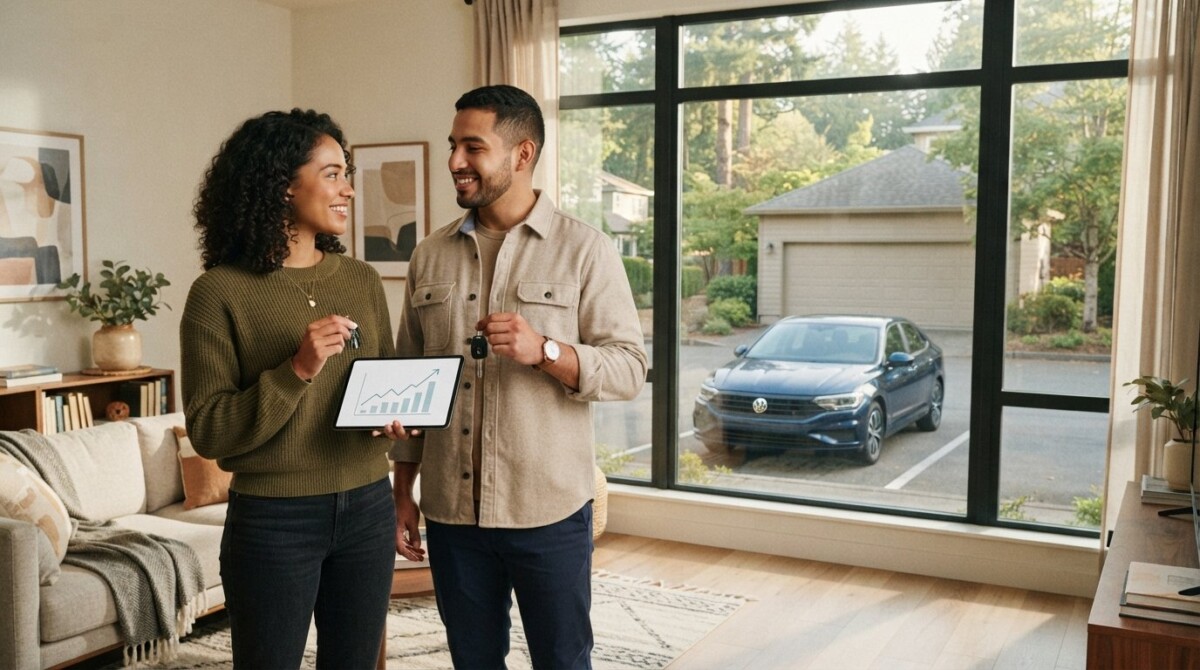
If you rent an apartment or own a house, you might think your auto insurance premium is set in stone. But the truth is, your housing situation can significantly influence what you pay for car coverage. Insurance companies look at more than just your driving record; they consider your stability, your location, and even your existing policies. Understanding this connection can unlock savings you may have overlooked. In this guide, we will break down how being a renter or homeowner affects your auto insurance, why bundling policies is a smart financial move, and how you can secure the best rates without sacrificing protection.
Why Your Housing Status Matters to Auto Insurers
Auto insurance underwriters use a variety of factors to assess risk, and your housing status is one of them. Homeowners often receive lower auto insurance premiums because they are viewed as more stable and financially responsible. A mortgage suggests a long-term commitment, which correlates with lower claims frequency. Renters, on the other hand, may see slightly higher rates because they are perceived as more transient, though this is not always the case.
Beyond stability, your home address influences your premium. Where you park your car at night, whether in a garage, a driveway, or on a street, affects your risk of theft, vandalism, and weather damage. Homeowners with a garage typically enjoy lower rates because their vehicle is protected from the elements and potential break-ins. Renters in apartment buildings may have access to secure parking, which can also help. But the biggest factor is often the neighborhood itself: urban areas with higher accident and theft rates usually lead to higher premiums, while suburban or rural locations may be cheaper.
Another angle is the insurance company’s perception of loyalty. Policyholders who own a home are more likely to stay with the same insurer for years, reducing the carrier’s administrative costs. That loyalty is rewarded with better pricing. Renters, who might move more frequently, may be seen as higher churn risk. However, renters can offset this by maintaining continuous coverage and a clean driving record, which are the strongest predictors of lower rates regardless of housing status.
The Power of Bundling Auto and Home or Renters Insurance
One of the most effective ways to reduce your auto insurance costs is to bundle it with your renters or homeowners policy. Insurance companies offer multi-policy discounts because they want your entire business. When you purchase two or more policies from the same carrier, you typically save between 5% and 25% on each one. For a homeowner, that could mean hundreds of dollars in annual savings. For a renter, the discount on your auto policy alone can make a renters insurance policy nearly pay for itself.
Let’s illustrate with an example. Suppose you pay $1,200 per year for auto insurance and $300 for renters insurance. Without a bundle, your total is $1,500. With a multi-policy discount of 15%, you might save $225, bringing your combined cost down to $1,275. That is a significant reduction, especially for renters who might otherwise skip renters insurance because of cost. And homeowners, who already carry substantial property coverage, can see even larger absolute savings because their home policy is more expensive.
But bundling is not just about the discount. It simplifies your life by having a single insurer for all your policies. You deal with one company for billing, one app for managing claims, and one customer service line. If a storm damages your roof and a tree falls on your car, you can file a single claim and coordinate the repair process more efficiently. Insurers also tend to offer enhanced perks like higher coverage limits or reduced deductibles when you bundle. This is why many financial advisors recommend bundling as a foundational strategy for insurance savings.
How to Get the Best Auto Insurance as a Renter
Renters often assume they have fewer options, but that is not true. You can still access many discounts, and your housing status does not automatically disqualify you from great rates. The key is to shop around and compare quotes from multiple insurers. Because each company weighs factors differently, you might find a carrier that views renters favorably, especially if you have a strong credit score and a clean driving record.
Here are concrete steps to secure affordable auto insurance while renting:
- Maintain a clean driving record: Avoid accidents and moving violations, as these are the primary cost drivers.
- Build your credit score: Insurers use credit-based insurance scores in most states; a higher score often means a lower premium.
- Choose a higher deductible: If you can afford to pay $1,000 instead of $500 out of pocket, your premium drops significantly.
- Ask about renter-specific discounts: Some insurers offer a discount for having renters insurance, even if you do not bundle.
- Consider usage-based insurance: If you drive less than 10,000 miles a year, a telematics program that tracks your driving can save you money.
After implementing these steps, you should review your policy annually. Your life changes, and so do your insurance needs. If you move to a safer neighborhood or get married, you may qualify for additional discounts. Also, don’t forget to ask your insurer about any new discounts that may have been introduced. For more detailed strategies, you can explore our guide on renters and homeowners auto insurance savings, which breaks down specific scenarios and savings examples.
Homeowners: Leverage Your Property for Lower Auto Rates
Homeowners have a unique advantage: they can bundle their auto insurance with their home insurance, and they can also use their home ownership to negotiate better terms. When you own a home, you are more likely to have a stable income and a longer credit history, both of which are positive signals to insurers. Additionally, if you have a garage or a secure driveway, you can mention this when getting quotes, as it reduces the risk of car theft and weather damage.
One strategy is to increase your home insurance deductible and use the savings to lower your auto insurance deductible. This can create a balanced risk profile that keeps your total out-of-pocket costs manageable. Another tactic is to pay your auto insurance premium annually instead of monthly; many insurers offer a discount for full payment, saving you around 5% to 10%. Homeowners often have more liquidity, so this is an easy win.
You should also consider the value of your home and car together. If your home is worth $400,000 and your car is worth $30,000, you have significant assets to protect. Insurers recognize that you have more to lose, and they may offer you umbrella liability coverage that extends beyond your auto and home policies. While this adds a small cost, it increases your liability limits to $1 million or more, which is crucial if you have substantial savings. This is a smart move for high-net-worth homeowners, and it can be bundled with your existing policies for a discount.
For a comprehensive look at how homeowners can maximize savings, read our article on auto insurance for renters and homeowners: smart savings, which includes case studies and real-world examples.
Other Discounts and Strategies to Lower Your Premium
Bundling is just one piece of the puzzle. To truly maximize your savings, you need to layer multiple discounts and adopt smart habits. Insurance companies reward low-risk behavior, so the more you can demonstrate that you are a safe and responsible driver, the lower your rate will be. Here are some proven strategies that work for both renters and homeowners:
- Take a defensive driving course: Many insurers offer a 5% to 10% discount for completing an approved course, and the knowledge can help you avoid accidents.
- Install anti-theft devices: Car alarms, GPS trackers, and immobilizers can reduce your comprehensive premium by up to 15%.
- Maintain a good claims history: Filing fewer claims, even for minor issues, keeps your rates low. Consider paying for small repairs out of pocket if the cost is less than your deductible.
- Inquire about low-mileage discounts: If you work from home or use public transit, you may qualify for a discount if you drive under a certain annual mileage.
- Review your coverage limits annually: As your car ages, you might drop collision or comprehensive coverage to save money, especially if the vehicle’s value is low.
Each of these strategies can save you between 5% and 15%, and when combined, they can reduce your premium by 30% or more. For instance, a renter in a city who drives 8,000 miles a year, has a clean record, and bundles with renters insurance could see their annual premium drop from $1,800 to $1,200. That is a $600 saving, which can be redirected to an emergency fund or retirement savings.
It is also important to shop around every six to twelve months. Insurance rates can change, and new competitors enter the market. A company that was expensive two years ago might now offer a better deal. However, be cautious about switching too often, as some insurers penalize short-term policies. A good rule is to compare quotes at renewal time, and if you find a better deal, switch only if the savings exceed any cancellation fees.
What to Do If You Are Overpaying Right Now
If you suspect you are paying too much, the first step is to check your current policy. Look at your coverage limits, deductibles, and any add-ons like roadside assistance or rental car reimbursement. You might be paying for coverage you no longer need. For example, if your car is older and has a low market value, comprehensive and collision coverage might not be worth the cost.
Next, gather quotes from at least three different insurers. Use online comparison tools, but also call local agents who can offer personalized advice. When you receive a quote, make sure you are comparing the same coverage levels. A lower quote might be for a policy with higher deductibles or lower liability limits, which could leave you underinsured.
Once you have a few quotes, you can use them as leverage to negotiate with your current insurer. Many companies will match or beat a competitor’s price to keep your business. This is especially effective if you have been a loyal customer for several years. If your insurer refuses to budge, it may be time to switch. Remember that you can cancel your policy at any time, and you will receive a prorated refund for any unused premium.
For a step-by-step guide on comparing quotes and switching carriers, check out our resource on auto insurance for renters and homeowners: smart savings. It includes a checklist that simplifies the process.
Frequently Asked Questions
Does being a renter increase my auto insurance rate?
Not necessarily. While some insurers may view renters as slightly higher risk, your driving record, credit score, and location have a larger impact. You can lower your rate by bundling with renters insurance and maintaining a clean history.
Can I bundle auto insurance with renters insurance?
Yes, most major insurers offer multi-policy discounts for bundling auto and renters insurance. This can save you 5% to 25% on both policies, making it a cost-effective way to get coverage.
What is the best way to save on auto insurance as a homeowner?
The best way is to bundle your auto and home policies with the same insurer. Additionally, increase your deductibles, pay annually, and maintain a good credit score. You can also ask about loyalty discounts.
How often should I shop for auto insurance?
It is wise to compare quotes every six to twelve months, especially at renewal time. Life changes like moving, getting married, or buying a car can affect your rates, so review your policy annually.
Will my auto insurance cover a rental car?
Typically, your auto insurance extends to rental cars, but the coverage is the same as your personal policy. If you have only liability, the rental car’s damage is not covered. Consider using a credit card that offers rental car insurance or purchasing a rental car policy.
For more detailed answers to common questions, you can read our article on auto insurance for renters and homeowners: save money, which covers additional scenarios and tips.
Final Thoughts on Auto Insurance for Renters and Homeowners
Your housing status is a powerful tool when it comes to auto insurance. Whether you rent or own, you can take steps to lower your premium, from bundling policies to maintaining a clean record and shopping around. The key is to be proactive and informed. Insurance is not a static product; it changes with your life and the market. By reviewing your coverage annually and asking for discounts, you can keep your costs down while ensuring you have adequate protection.
Remember, the cheapest policy is not always the best. Make sure you have enough liability coverage to protect your assets, especially if you are a homeowner. And if you are a renter, do not overlook the benefits of renters insurance; it is affordable and can save you money on your auto policy. For more personalized advice, call us at 833-214-7506. Our team can help you compare quotes and find the best coverage for your needs. Your journey to lower premiums starts today.