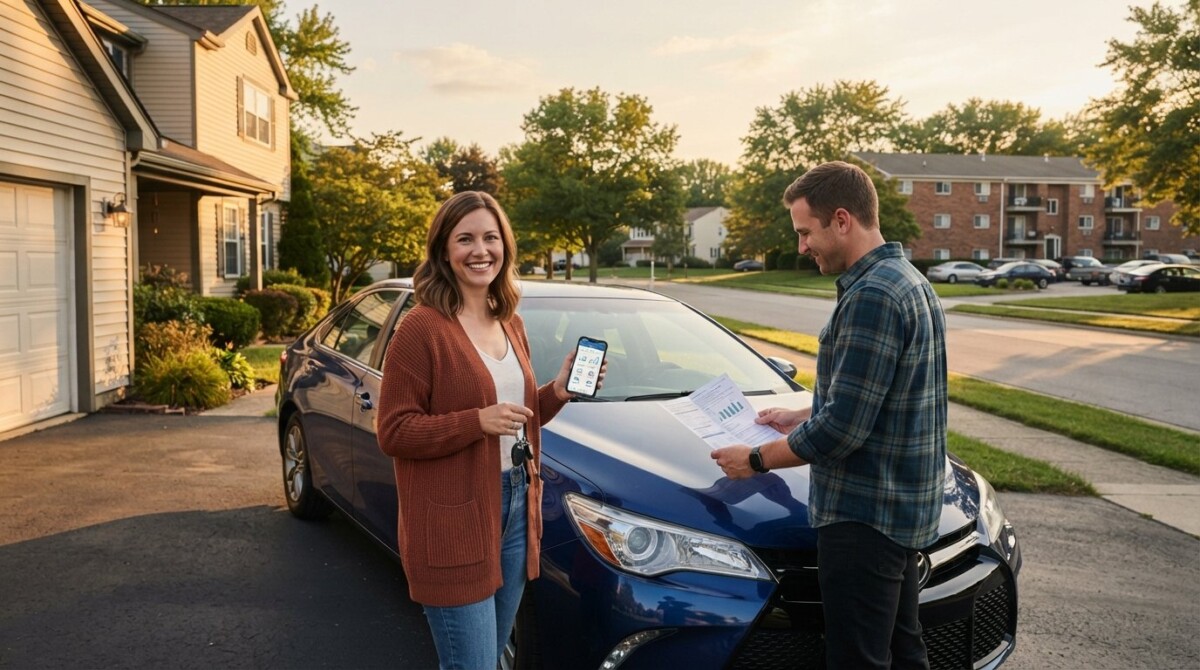
When you rent an apartment or own a house, your auto insurance might be the last thing on your mind. Yet the type of home you live in can quietly influence how much you pay for car coverage, and more importantly, how well you are protected after an accident. Many drivers do not realize that their housing situation opens the door to unique discounts, liability considerations, and bundling opportunities. In this guide, we explore how renters and homeowners can lower their auto insurance costs while keeping their coverage strong. You will learn practical steps to compare quotes, bundle policies, and avoid common mistakes that lead to overpaying.
How Your Housing Status Affects Your Auto Insurance Rate
Your address is one of the many factors insurers use to calculate your premium. Whether you rent or own, where you park your car overnight matters. A secure garage in a suburban neighborhood often leads to lower rates than street parking in a dense urban area. Insurers also consider local crime rates, weather patterns, and even the frequency of claims in your zip code. For renters, the lack of a driveway or garage might increase the risk of theft or vandalism, which can push your premium upward. Homeowners, on the other hand, may have a dedicated parking spot, but they face higher liability exposure if someone is injured on their property.
Beyond parking, your housing status influences your credit-based insurance score. Homeowners tend to have more stable financial histories, which insurers view favorably. Renters with limited credit history might see slightly higher rates. However, the gap is not always dramatic. The key is to understand that your housing situation is just one piece of the puzzle. You can still find affordable coverage by shopping around and leveraging other discounts.
Bundling Auto and Home Insurance: The Biggest Savings Opportunity
Bundling is the most straightforward way to save money on auto insurance for renters and homeowners. When you purchase both your auto policy and your renters or homeowners policy from the same carrier, insurers reward you with a multi-policy discount. This discount often ranges from 5% to 25% off your total premium. For example, if your auto insurance costs $1,200 per year and your renters insurance costs $200, a 15% bundling discount could save you $210 annually. That is real money that can go toward other expenses.
But bundling is not just about the discount. It also simplifies your life. You have one agent to contact, one bill to pay, and one renewal date to remember. If you file a claim, the process is smoother because the same company handles both policies. However, you should not bundle blindly. Always compare the bundled price against buying separate policies from different insurers. Sometimes, the cheapest standalone auto insurer offers such a low rate that even with a bundling discount, the separate route is still cheaper. Our guide on renters and homeowners auto insurance savings explains how to compare these options effectively.
When you bundle, ask the insurer about the exact discount percentage and how it applies to each policy. Some companies apply the discount only to the auto side, while others split it. Understanding the breakdown helps you evaluate the true value. Also, check if the renters or homeowners policy includes liability coverage that extends to your auto. For instance, if a guest slips on your porch, your homeowners liability might cover medical bills, but your auto policy is separate. Bundling does not merge these coverages; it only discounts them. Keep them distinct in your mind to avoid gaps.
Renters Insurance and Auto Coverage: Why You Need Both
Renters often skip renters insurance because they assume their landlord’s policy covers everything. That is a mistake. The landlord’s policy covers the building structure, not your personal belongings or your liability. If a fire destroys your apartment, you could lose thousands of dollars in furniture, electronics, and clothing without renters insurance. Worse, if a friend is injured in your apartment, you could be held liable for their medical bills. Renters insurance steps in to cover these costs, and it is surprisingly affordable, often less than $20 per month.
How does this connect to auto insurance? First, many insurers offer a multi-policy discount when you add renters insurance to your auto policy. This is the same bundling benefit we discussed, but it applies to renters too. Second, your auto insurance may cover damage to your car from events like vandalism or theft, but it does not cover personal property stolen from your car. That is where renters insurance comes in. If someone breaks into your car and steals your laptop, your renters policy might reimburse you, subject to your deductible. This synergy makes renters insurance a smart complement to your auto coverage.
For renters, the biggest mistake is thinking they cannot afford both policies. The combined cost is often less than a single premium for a young driver. Start by getting quotes for both policies from the same insurer. You might be surprised at the total. Also, consider raising your deductibles on both policies to lower your premiums. Just make sure you have enough savings to cover the deductible if you need to file a claim. A high deductible on auto insurance can save you hundreds per year, but only if you can pay it out of pocket.
Homeowners Insurance and Auto Coverage: Protecting Your Assets
Homeowners have a different set of considerations. Your home is likely your largest asset, and your auto insurance can indirectly protect it through liability coverage. If you cause a car accident, the injured party could sue you for damages beyond your auto policy limits. If your assets exceed those limits, they could go after your home, savings, or investments. This is why financial advisors recommend an umbrella policy, which adds an extra layer of liability protection above your auto and homeowners policies. An umbrella policy is relatively inexpensive, often $150 to $300 per year for $1 million in coverage.
Bundling your auto and homeowners insurance is a no-brainer for most homeowners. The discount is usually larger than for renters because homeowners policies have higher premiums. In fact, a 20% discount on a $1,500 homeowners policy plus a $1,200 auto policy could save you $540 per year. That is a significant chunk of change. But do not stop at the discount. Review your coverage limits annually. As your home appreciates, your dwelling coverage should increase. If you remodel your kitchen or add a home office, your personal property coverage might need a boost. Your auto policy should also be reviewed for changes in mileage, vehicle usage, or new drivers in your household.
Another advantage for homeowners is the potential for loyalty discounts. Insurers often reward long-term customers with accident-free and claims-free discounts. If you have been with the same company for five years, ask about a loyalty discount. Combine that with bundling and you could see a substantial reduction. However, loyalty should not prevent you from shopping around. Our article on auto insurance for renters and homeowners smart savings provides a step-by-step comparison strategy to ensure you are not overpaying.
Common Mistakes That Increase Your Auto Insurance Costs
Both renters and homeowners make avoidable errors that push their premiums higher. One common mistake is letting your auto insurance lapse. A lapse in coverage signals risk to insurers, and your next premium could jump by 10% to 20%. If you are between cars, consider a non-owner policy to maintain continuous coverage. Another mistake is not updating your insurer when you move. If you move from a city to a safer suburb, your rate should drop. Failing to update your address means you are paying more than necessary.
Here are other pitfalls to avoid:
- Choosing the minimum liability limits to save money, which can leave you exposed in a serious accident.
- Ignoring discounts for safety features like anti-lock brakes, airbags, and anti-theft devices.
- Not asking about low-mileage discounts if you work from home or use public transit.
- Forgetting to remove young drivers from your policy when they move out.
Each of these mistakes can cost you hundreds of dollars per year. The solution is a yearly review of your policy. Check your coverage limits, deductibles, and discounts. Contact your agent or use an online comparison tool to see if another insurer offers a better rate. Remember, the cheapest policy is not always the best. You want adequate coverage at a fair price. For a deeper dive, our guide on auto insurance for renters and homeowners smart savings offers practical checklists.
How to Get the Best Auto Insurance Rate as a Renter or Homeowner
Getting the best rate requires a proactive approach. Start by gathering your current policy documents and a list of your coverage needs. Then, get quotes from at least three different insurers. Use online comparison tools, but also call local independent agents who can access multiple carriers. When you request quotes, make sure you provide the same information to each company so you can compare apples to apples. Pay attention to the coverage limits, deductibles, and exclusions, not just the premium.
Next, apply for all available discounts. Most insurers offer discounts for:
- Bundling auto and home or renters policies.
- Having a clean driving record for three or more years.
- Completing a defensive driving course.
- Paying your premium in full instead of monthly installments.
- Signing up for paperless billing and automatic payments.
After you receive quotes, compare the total cost of ownership. A policy with a slightly higher premium might have a lower deductible or better customer service. Read reviews of the insurer’s claims process. A company that is slow to pay claims is not worth the savings. Once you choose a policy, set a reminder to shop around again at renewal. Your rate will change based on your claims history, credit score, and even the weather in your area. Staying vigilant ensures you always get the best value.
Frequently Asked Questions
Can I bundle auto insurance with renters or homeowners insurance?
Yes, most major insurers offer multi-policy discounts when you bundle auto with renters or homeowners coverage. The discount typically ranges from 5% to 25%, and it applies to both policies. Bundling also simplifies billing and claims, making it a convenient option for many drivers.
Is renters insurance required to get an auto insurance discount?
No, you can get a discount for having renters insurance even if it is not required. However, some insurers might require you to have an active renters policy to qualify for the bundling discount. If you do not currently have renters insurance, adding it could lower your auto premium enough to offset the renters policy cost.
Does owning a home lower my auto insurance rate?
Owning a home can indirectly lower your auto insurance rate if you bundle the two policies. Homeowners also tend to have higher credit scores and more stable financial histories, which insurers view positively. However, owning a home does not automatically lower your rate; it is the bundling and credit factors that matter.
What is the minimum coverage I need as a renter or homeowner?
Minimum coverage requirements vary by state, but they usually include liability insurance for bodily injury and property damage. However, minimum limits may not be enough to protect your assets if you own a home. In that case, consider higher liability limits and an umbrella policy. Renters should also carry renters insurance to protect personal belongings and cover liability.
Before you finalize your decision, remember that a quick phone call can save you money. Our team at NewAutoInsurance.com can help you compare quotes and find the best coverage for your situation. Call us at 833-214-7506 to get personalized assistance. We are here to make sure you get the protection you need without overpaying.
In summary, whether you rent or own, your housing situation plays a significant role in your auto insurance costs. Bundling your auto policy with renters or homeowners insurance is the most effective way to save, but it is not the only strategy. Compare quotes, review your coverage annually, and take advantage of all available discounts. By staying informed, you can secure affordable auto insurance for renters and homeowners that provides peace of mind on the road and at home. For more savings ideas, check out our article on auto insurance for renters and homeowners save money and start your journey toward lower premiums today.