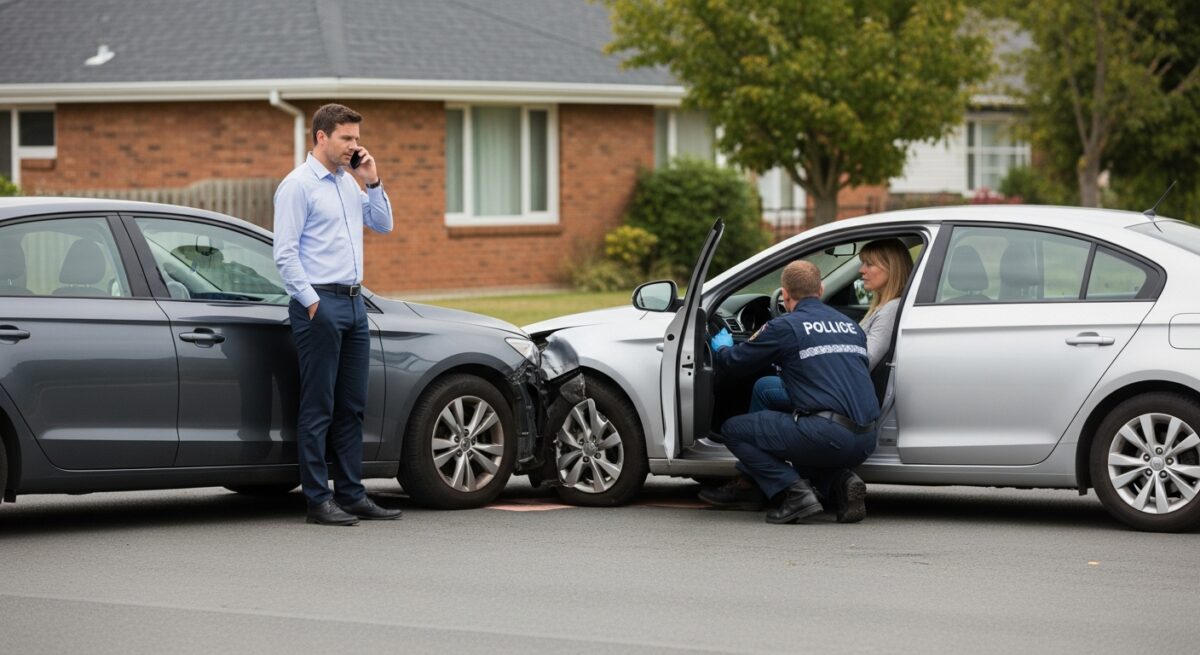
Imagine causing a car accident where the other vehicle is severely damaged and its driver needs extensive medical treatment. Without proper protection, the resulting bills could devastate your finances for years. This is the precise scenario that auto insurance liability coverage is designed to address. It’s not just a line item on your policy; it’s a fundamental layer of financial security that protects your assets and future earnings if you are found legally responsible for an accident. Understanding the nuances of this coverage, from its dual components to the limits you truly need, is the most critical step in building a responsible auto insurance policy.
What Liability Coverage Does and Why It’s Mandatory
Liability car insurance serves a singular, vital purpose: to pay for the costs of injuries and property damage you cause to others in an at-fault accident. It does not cover repairs to your own vehicle or your own medical bills. Because of the profound financial risk an uninsured driver poses to others, nearly every state mandates that drivers carry a minimum amount of liability coverage. These laws exist to ensure that victims of accidents have a pathway to compensation without solely relying on the at-fault driver’s personal wealth, which is often insufficient.
When you purchase liability coverage, you are essentially transferring a massive, unpredictable financial risk to the insurance company for a predictable, periodic premium. In exchange, the insurer contracts to defend you if you are sued and to pay covered claims up to the policy limits you selected. This protection extends beyond just car accidents; it typically applies when you are driving a rental car or even occasionally when you drive someone else’s vehicle with permission, making it a cornerstone of responsible vehicle ownership.
Breaking Down the Components: Bodily Injury and Property Damage
Auto liability coverage is presented as three numbers, such as 100/300/50. This notation represents two distinct coverage types with separate limits. Grasping this breakdown is essential for selecting adequate protection.
Bodily Injury Liability (BI) is the first part, represented by the first two numbers (e.g., 100/300). The first number is the per-person limit, the maximum your insurer will pay for one person’s injuries. The second is the per-accident limit, the total cap for all injuries in a single incident. For example, with 100/300 BI, if three people are hurt, the insurer will pay up to $100,000 for each person, but never more than $300,000 total for that accident. This coverage pays for medical expenses, lost wages, pain and suffering, and legal defense costs if you are sued.
Property Damage Liability (PD) is the third number (e.g., 50). This is the maximum your policy will pay to repair or replace property you damage in an at-fault accident. This most commonly covers other vehicles, but it also applies to structures like fences, mailboxes, light poles, or buildings. Given the high cost of modern vehicles, especially luxury cars and electric models, a low PD limit can be exhausted quickly. Our analysis on OEM replacement coverage highlights how expensive repairs can be, which underscores the importance of robust property damage limits.
How Much Liability Insurance Do You Really Need?
State minimum requirements are just that: the absolute legal minimum. They are often woefully inadequate in a serious accident. For instance, some states have minimum property damage limits as low as $5,000, which wouldn’t cover a rear bumper on many new SUVs. Relying solely on minimums is a high-risk strategy that leaves your personal assets like your home, savings, and future wages vulnerable to a lawsuit.
Determining your optimal liability limits involves a careful assessment of your personal financial profile. A good rule of thumb is to carry enough coverage to protect your net worth. Insurance professionals often recommend starting at 100/300/100 as a baseline for responsible coverage. If you have significant assets, higher limits such as 250/500/250 or more are advisable. Furthermore, an umbrella insurance policy, which provides excess liability coverage over your auto and home policies, is a cost-effective way to secure an additional $1 million or more in protection. For a broader look at building a complete policy, our resource on smart policy choices offers valuable guidance.
Consider these key factors when evaluating your liability needs:
- Your Net Worth: This includes home equity, investment accounts, savings, and other valuable assets a court could award to a plaintiff.
- Your Future Income: Judgments can lead to wage garnishment, putting your future earnings at risk.
- Local Risk Factors: Dense traffic, high-cost repair areas, and higher medical costs in your region all increase potential claim amounts.
- Driving Habits and Commute: More time on the road statistically increases your risk exposure.
What Liability Coverage Does NOT Protect
A critical part of understanding any insurance is knowing its exclusions. Liability coverage is exclusively for damages to others. It provides no direct protection for you, your passengers, or your vehicle. This is a common point of confusion for many policyholders.
For your own vehicle’s repairs after an at-fault accident, you would need collision coverage. For your own medical bills, you would rely on Personal Injury Protection (PIP), MedPay, or your health insurance. For damage from non-collision events like theft, vandalism, or hail, you would need comprehensive coverage. For instance, if you’re wondering about specific perils, you can explore whether auto insurance covers hail damage in a dedicated article. Liability also does not cover intentional damage or accidents that occur while you are driving for a ride-sharing service without proper endorsements.
Frequently Asked Questions
Q: Is liability-only insurance the same as ‘full coverage’?
A: No, they are opposites. Liability-only insurance covers only the damage you cause to others. ‘Full coverage’ is an informal term typically meaning liability PLUS comprehensive and collision coverages, which protect your own vehicle.
Q: What happens if a claim exceeds my liability limits?
A: You are personally responsible for any amount over your policy limits. The injured party can seek a court judgment against you and potentially pursue your personal assets or future income to collect the difference. This is called being ‘underinsured.’
Q: Does my liability coverage follow me when I rent a car?
A: Usually, yes. Your personal auto liability coverage typically extends to rental cars for personal use. However, it’s crucial to verify this with your insurer, as there can be exceptions based on vehicle type or rental location.
Q: How does liability work if I’m only partially at fault?
A> In states with comparative negligence laws, your liability insurer would pay a percentage of the damages equal to your percentage of fault. For example, if you are found 60% at fault, your insurance would cover 60% of the other party’s covered losses, up to your policy limits.
Choosing your auto insurance liability coverage is one of the most significant financial decisions you make as a driver. It requires looking beyond the premium price to the value of the protection it provides. By selecting limits that align with your real-world risks and financial standing, you secure not just compliance with the law, but genuine peace of mind. This foundational coverage ensures that a single moment of misfortune does not unravel years of hard work and financial stability.