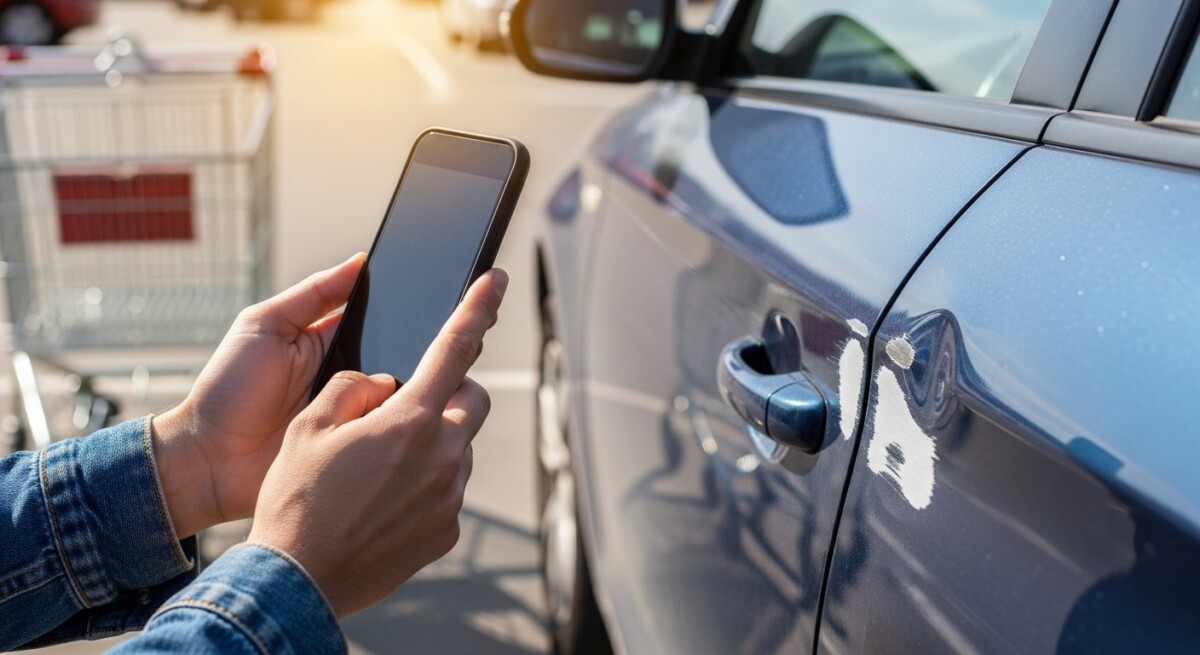
You return to your parked car only to find a fresh dent, a broken mirror, or worse, a crumpled fender. The sinking feeling is universal, followed by a flood of questions: Who did this? What do I do now? Who pays for this? A hit on a parked car is a frustratingly common event, and navigating the aftermath can feel overwhelming. Whether the other driver left a note or fled the scene, your actions in the immediate moments and subsequent days are critical for protecting your rights, your finances, and ensuring a smooth repair process. This comprehensive guide walks you through exactly what happens if your parked car is hit, from the first steps at the scene to dealing with insurance and repair shops.
Immediate Actions at the Scene: Securing Evidence
Your first reaction might be panic or anger, but staying calm and methodical is your greatest asset. Before you even think about moving your vehicle, take a moment to thoroughly assess the situation. This is not just about checking damage, it is about building a case, whether for an insurance claim or potential legal action. Start by looking around for any witnesses. People in nearby shops, pedestrians, or other drivers might have seen the incident. Politely ask if they saw what happened and if they would be willing to share their contact information. Their account could be invaluable, especially in a hit-and-run scenario.
Next, document everything with your smartphone. Take wide-angle photos showing the position of your car in relation to the street, parking lines, and any landmarks. Then, take close-up, clear pictures of all damage from multiple angles. Do not forget to photograph any debris on the ground, like broken plastic or glass, which could indicate the color or model of the other vehicle. If there is paint transfer from the other car on yours, photograph that as well. This visual evidence creates a timestamped record that is far more reliable than memory alone. Finally, check the immediate area for security cameras on buildings or traffic poles. Note their locations, as footage might be obtainable later with a police report.
Scenario 1: The Driver Left a Note
Finding a note under your windshield wiper is the best-case scenario after the initial shock. This note should contain the other driver’s name, phone number, insurance company, and policy number. Treat this information carefully. First, verify the details. Call the phone number to ensure it is legitimate and to get a verbal account of what happened. Politely ask for their driver’s license number and vehicle registration information as well. Even with a note, you must still document the scene as described above. The note itself should be photographed in place before you take it.
Your next step is to contact their insurance company directly to file a third-party claim. You typically should not need to involve your own insurer at this stage if the other party is clearly at fault and cooperative. Provide the insurance adjuster with all the evidence you collected: photos, witness info, and the note. The other driver’s property damage liability coverage should pay for your repairs. It is wise to get at least two repair estimates from reputable body shops to ensure the settlement offer is fair. Remember, you have the right to choose your own repair facility, not the insurer’s preferred shop.
Scenario 2: A Hit and Run (No Note)
This is a more stressful and complex situation. The other driver has committed a crime by leaving the scene of an accident. Your immediate priority is to call the police to file an official report. A police report is a non-negotiable document for your insurance claim in a hit-and-run. It lends credibility to your account and is often required by your insurer to process a claim under your uninsured motorist property damage (UMPD) or collision coverage, depending on your state and policy. Provide the officer with all the evidence and witness information you gathered.
Filing a claim for a hit-and-run hinges on your own insurance coverage. Collision coverage will pay for the repairs regardless of fault, minus your deductible. Some states offer Uninsured Motorist Property Damage (UMPD) coverage specifically for hit-and-runs, which may have a lower deductible or even a $0 deductible. The specifics vary widely, so reviewing your policy is crucial. For a deeper look at this specific coverage, our article on hit and run car damage coverage breaks down the state-by-state nuances. Without either of these coverages, you could be left paying for repairs entirely out-of-pocket, which underscores the importance of carrying adequate protection.
Navigating the Insurance Claim Process
Once you have determined which insurance path to take (theirs or yours), the formal claim process begins. Contact the appropriate insurer and provide your evidence packet. An adjuster will be assigned to assess the damage, either through photos you submit, at a drive-in center, or by visiting a repair shop. Their job is to determine the cost of repairs. It is vital that you understand your policy’s terms, especially your deductible amount, which is what you pay out-of-pocket before insurance kicks in. If the other driver is at fault and you claim through their insurance, you should not pay a deductible.
If the cost of repairs approaches or exceeds your car’s actual cash value (ACV), the insurer may declare it a total loss. This is a financially critical moment. The insurer will offer you a settlement based on the ACV of your car just before the accident. If you disagree with their valuation, you can negotiate by providing comparable listings of similar vehicles for sale in your area. This situation becomes more complicated if you have an outstanding loan, as the settlement check goes to the lienholder first. To understand the full implications, read our guide on what happens if your car is totaled but you still owe money.
Legal and Financial Considerations
Beyond repairs, there are other consequences. A claim on your own policy for a hit-and-run, even though you were not at fault, could potentially affect your future premiums depending on your insurer and state laws. It is considered a not-at-fault claim, which generally has less impact than an at-fault accident, but it is not always penalty-free. Always ask your agent about the potential premium implications before filing a claim under your own policy if you have the option to use the at-fault driver’s insurance.
If you encounter resistance from the at-fault driver’s insurance company, or if they dispute liability, you may need to escalate. This could involve submitting additional evidence, getting a formal statement from the other driver admitting fault, or even filing a claim with your own company and letting them subrogate (seek reimbursement from the at-fault insurer). In complex cases, consulting with a legal professional specializing in auto accidents or insurance disputes may be necessary to recover your full damages, including potential diminished value (the loss in market value after a repaired car).
Preventative Measures and Proactive Steps
While you cannot prevent every accident, you can take steps to minimize risk and strengthen your position if it happens. Always try to park in well-lit, visible areas, preferably with security cameras. Dashcams, especially those with parking mode that activate upon impact, are powerful tools for identifying hit-and-run drivers. Regularly review your auto insurance policy to ensure you have appropriate coverage levels. Understanding the different types of coverage, from liability to comprehensive, is key. For a foundational look at your options, our resource on auto insurance plans and coverage types provides a clear breakdown.
Keep your insurance information and a pen in your glove compartment. If you are ever the one who hits a parked car, the ethical and legal obligation is to leave a detailed note. Failing to do so turns a simple accident into a criminal hit-and-run. Being prepared not only as a victim but as a responsible driver creates a safer environment for everyone.
Frequently Asked Questions
Do I always need to call the police for a hit parked car?
Yes, if it is a hit-and-run. A police report is essential for your insurance claim. If the other driver is present and you exchange information, laws vary by jurisdiction. For any significant damage, calling the police to create an official report is still the safest course of action.
Will my insurance rates go up if my parked car is hit?
If you file a claim with your own insurer (under collision or UMPD), your rates may increase depending on your company’s policies and state regulations, even if you are not at fault. Filing a claim solely through the at-fault driver’s insurance should not affect your premiums.
What if the person who hit my car doesn’t have insurance?
If they are identified but uninsured, you would file a claim under your own uninsured motorist property damage (UMPD) coverage if you have it, or under collision coverage. Without these, you may need to pursue the driver personally in small claims court, which can be difficult.
How long do I have to file an insurance claim for a hit parked car?
This varies by insurer and state, but it is always best to report the incident immediately. Delaying can complicate evidence gathering and may violate the terms of your policy. Report it within 24-48 hours at the latest.
Can I claim for a rental car while mine is being repaired?
If you are using the at-fault driver’s insurance, they should cover rental car costs (“loss of use”). If you are using your own collision coverage, rental reimbursement is only covered if you purchased that specific add-on to your policy.
Discovering your parked car has been hit is disruptive and stressful, but a structured response can turn chaos into a manageable process. By methodically gathering evidence, understanding your insurance coverage, and knowing when to involve law enforcement, you can navigate the situation effectively. The key is to act swiftly, document thoroughly, and communicate clearly with all involved parties, from witnesses to adjusters. Protecting your financial interests starts the moment you see the damage, and being informed is your most powerful tool for a full recovery.