
Uninsured Motorist Coverage: How to Protect Yourself
Learn uninsured motorist coverage how to protect yourself from costly accidents. Call (833)-214-7506 to compare quotes and secure peace of mind.

By Owen Calder
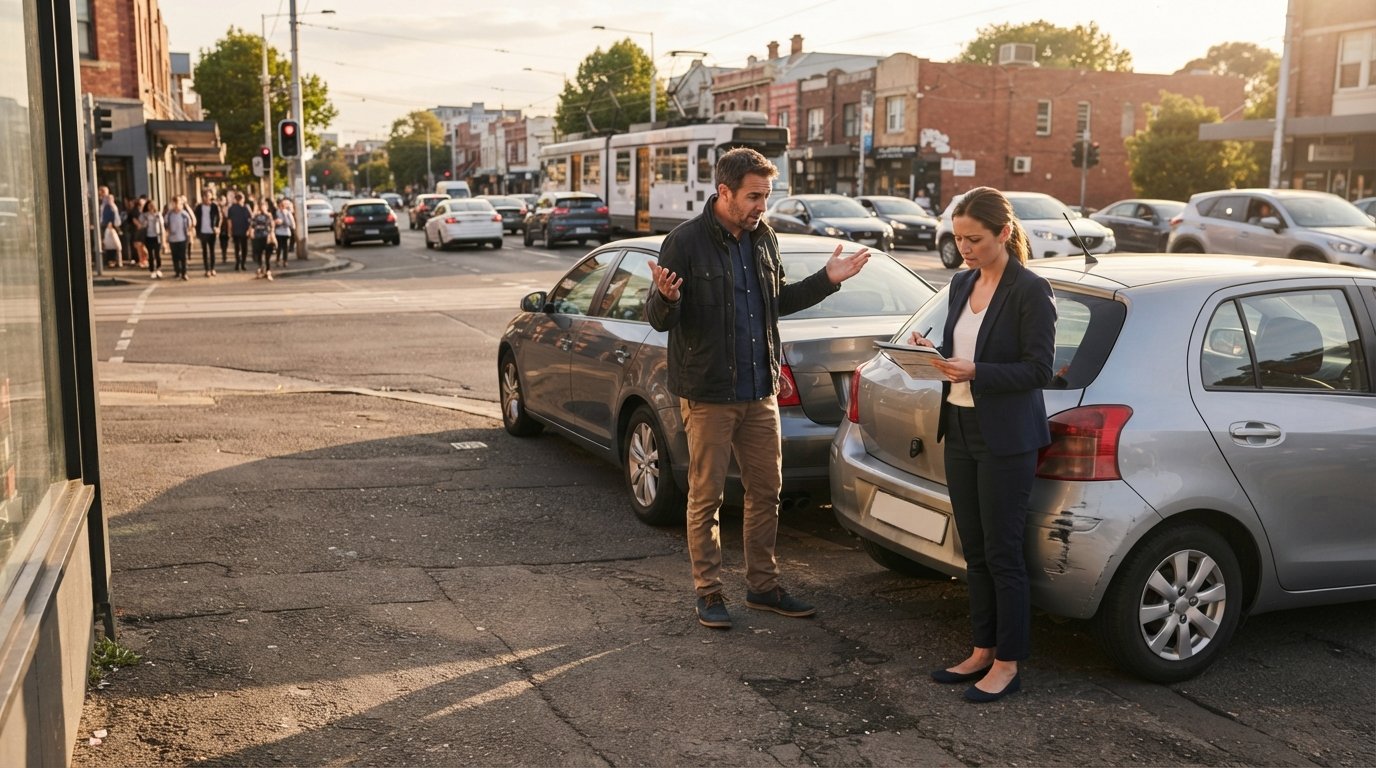
You are sitting at a red light, minding your own business, when a driver rear-ends you. You exchange information, only to discover the other driver has no insurance at all. Or perhaps they have insurance, but the limits are so low they will not cover your medical bills. This scenario plays out thousands of times every day across the United States, and it is exactly why uninsured motorist coverage exists. Without it, you could be left paying for your own injuries and vehicle damage out of pocket, even though the accident was not your fault. The good news is that you can take steps to protect yourself, and understanding how uninsured motorist coverage works is the first step.
In this guide, we will walk you through what uninsured and underinsured motorist coverage is, how it works in real accident situations, what your state requires, and how you can make sure you are properly protected. We will also share practical tips to help you avoid costly surprises and get the most out of your auto insurance policy. Whether you are shopping for a new policy or reviewing your existing one, this information will help you make informed decisions about your financial safety on the road.
What Is Uninsured Motorist Coverage and Why Does It Matter?
Uninsured motorist coverage (UM) is a type of auto insurance that protects you if you are involved in an accident with a driver who does not have any liability insurance. It can cover your medical expenses, lost wages, and sometimes other damages, up to the limits you select. Underinsured motorist coverage (UIM) is similar, but it applies when the at-fault driver has insurance, yet their limits are too low to cover the full extent of your injuries or damage. Both UM and UIM are designed to fill the gap left by the other driver's lack of coverage.
Why does this matter? Because a significant portion of drivers on the road are uninsured. According to the Insurance Research Council, roughly one in seven drivers nationwide lacks insurance, and in some states the rate is even higher. If you are hit by one of these drivers, their lack of insurance does not change the fact that you still need to pay for medical care and vehicle repairs. Your own health insurance might cover some medical costs, but it may not cover everything, and it typically will not pay for pain and suffering or other non-medical damages. Uninsured motorist coverage steps in to provide that protection.
It is also important to understand that UM/UIM is not the same as collision coverage. Collision coverage pays for damage to your vehicle regardless of who is at fault, but it comes with a deductible and does not cover medical expenses. UM/UIM, on the other hand, is specifically for injuries and damages caused by uninsured or underinsured drivers, and it often includes coverage for hit-and-run accidents as well. Having both types of coverage can provide a more complete safety net.
How Uninsured and Underinsured Motorist Coverage Works in an Accident
To understand how UM/UIM works, imagine you are in an accident with a driver who has no insurance. You suffer a broken arm and your car needs $5,000 in repairs. The at-fault driver has no way to pay. If you have uninsured motorist coverage with limits of $25,000 per person for bodily injury and $50,000 per accident, you can file a claim with your own insurer for your medical expenses up to those limits. Your insurer will then pay for your covered losses, just as if the other driver had liability insurance. The same process applies for underinsured motorist coverage, except that your insurer pays the difference between what the at-fault driver's policy covers and your total damages, up to your UIM limits.
It is important to note that UM/UIM coverage typically does not pay for damage to your vehicle unless you have uninsured motorist property damage coverage (UMPD), which is not available in all states. In many cases, you will need collision coverage to repair your car after an accident with an uninsured driver. However, some states allow you to purchase UMPD as a separate coverage, and it may have a lower deductible than collision. Be sure to check your policy and your state's rules to understand what is available.
Another key point is that UM/UIM claims are made against your own insurance policy, so they are subject to your policy's terms and conditions. This means you need to report the accident to your insurer promptly and cooperate with their investigation. Your insurer will typically seek to recover the amount they pay from the at-fault driver if possible, but that process (called subrogation) is handled by them and does not affect your claim. Your rates should not increase because you used your UM/UIM coverage, since the accident was not your fault.
State Requirements and Optional Add-Ons
Uninsured motorist coverage requirements vary widely from state to state. Some states mandate UM coverage, some require UIM, and others make it optional. For example, in states like New York and North Carolina, UM coverage is required, while in states like Florida and Ohio, it is optional but must be offered by insurers. Some states also require that UM/UIM limits match your liability limits, while others allow you to choose lower limits. It is crucial to know your state's minimum requirements and consider purchasing higher limits than the minimum if you can afford it.
Here are a few common scenarios you might encounter:
- Mandatory UM/UIM: In states like Connecticut and Kansas, insurers must offer UM/UIM, and you must sign a waiver to decline it.
- Optional UM/UIM: In states like Colorado and Georgia, you can choose whether to purchase UM/UIM, but it is highly recommended.
- Stacking: Some states allow you to "stack" UM/UIM coverage from multiple vehicles or policies to increase your total protection. This can be a valuable option if you have multiple cars.
- UMPD availability: Uninsured motorist property damage coverage is available in some states, but not all. It may help pay for vehicle repairs without a deductible.
Beyond state requirements, you may also consider add-ons like medical payments (MedPay) coverage, which pays for medical expenses regardless of fault, or personal injury protection (PIP) in no-fault states. These can complement UM/UIM and provide additional layers of protection. When reviewing your policy, ask your agent about these options and how they interact with your UM/UIM coverage.
UM vs. UIM: What Is the Difference and When Does Each Apply?
While uninsured and underinsured motorist coverage are often discussed together, they address different situations. Uninsured motorist coverage applies when the at-fault driver has no liability insurance at all. This includes drivers who have let their policy lapse, who are driving without insurance, or who flee the scene of an accident (hit-and-run). Underinsured motorist coverage, on the other hand, applies when the at-fault driver has liability insurance, but their limits are insufficient to cover your damages. For example, if the other driver has a $25,000 per person limit but your medical bills are $50,000, your UIM coverage could pay the remaining $25,000, up to your UIM limit.
Both coverages are typically sold together, but they can be purchased separately in some states. It is important to review your policy to see which coverages you have and what limits apply. If you only have UM coverage, you may not be protected if the at-fault driver has some insurance but not enough. Conversely, if you only have UIM, you may not be protected if the other driver has no insurance at all. For comprehensive protection, it is best to carry both UM and UIM coverage with limits that are high enough to cover your potential losses.
One common misconception is that UM/UIM only covers bodily injury. In reality, many policies offer UM/UIM for both bodily injury and property damage, but property damage coverage may be subject to different rules or may not be available in all states. Be sure to check the details of your policy. Additionally, some policies offer "added-on" or "excess" UM/UIM coverage, which can provide higher limits than your liability coverage. This can be especially valuable if you want extra protection without increasing your liability limits.
Why UM/UIM Is Critical in Areas with High Uninsured Rates
If you live in an area where many drivers are uninsured, the risk of being involved in an accident with one of them is significantly higher. According to the Insurance Information Institute, states like Mississippi, Michigan, and Tennessee have uninsured rates above 20 percent. In these areas, carrying uninsured motorist coverage is not just a good idea; it is essential. Even if your state does not require UM/UIM, the relatively low cost of adding it can provide substantial peace of mind.
Consider this: the average cost of UM/UIM coverage is only a few dollars per month for most drivers. Compared to the potential financial devastation of an accident with an uninsured driver, it is a small price to pay. If you are unsure about the uninsured rate in your area, you can check with your state's insurance department or ask your agent. They can provide statistics and help you assess your risk. For a deeper dive into how underinsured motorist coverage works, including state-specific rules and claim examples, see our guide on underinsured motorist coverage explained clearly.
In addition to protecting you financially, UM/UIM can also give you peace of mind knowing that you are covered no matter what happens on the road. It is especially important if you frequently drive in areas with heavy traffic or if you have a long commute. The more time you spend on the road, the higher your chances of encountering an uninsured driver. By carrying UM/UIM, you can focus on driving safely rather than worrying about what might happen if the other driver is not covered.
Practical Steps to Protect Yourself with Uninsured Motorist Coverage
Now that you understand the importance of UM/UIM, here are practical steps you can take to ensure you are properly protected. First, review your current auto insurance policy to see if you have UM/UIM coverage and what your limits are. If you do not have it, contact your insurer or agent to add it. If you do have it, consider whether your limits are high enough to cover your potential medical expenses and lost wages. Many experts recommend carrying UM/UIM limits that match your liability limits, or even higher if you can afford it.
Second, understand your state's requirements and options. Some states require insurers to offer UM/UIM, and you may need to sign a waiver to decline it. If you are unsure, check with your state's insurance department. Third, consider stacking if you have multiple vehicles or policies. Stacking can increase your total coverage by combining the limits from each vehicle or policy, but it is not available in all states and may come with an additional premium. Fourth, do not rely solely on health insurance to cover your medical bills after an accident. Health insurance may have deductibles, co-pays, and network restrictions, and it typically does not cover non-medical damages like pain and suffering. UM/UIM can fill those gaps.
Finally, shop around and compare quotes from multiple insurers. The cost of UM/UIM can vary significantly between companies, so getting quotes from several providers can help you find the best value. You can use an independent comparison tool like NewAutoInsurance.com to connect with licensed agents who can provide personalized quotes. Remember, NewAutoInsurance.com is not an insurance carrier or broker; it is an educational resource that connects you with agents. There is no obligation to buy, and the service is free. Some agents may pay a fee to be promoted, which should be considered advertising. The site does not endorse any specific provider.
How to File a UM/UIM Claim and Avoid Common Pitfalls
If you ever need to file a UM/UIM claim, it is important to act quickly and follow the proper steps. First, report the accident to the police and obtain a copy of the police report. This will document that the other driver was uninsured or underinsured. Second, notify your own insurer as soon as possible. Provide them with all the details of the accident, including the other driver's information, witness statements, and any photos you have. Third, keep detailed records of your medical treatment, repair estimates, and other expenses. Your insurer will need this documentation to process your claim.
One common pitfall is failing to notify your insurer promptly. Most policies require you to report an accident within a reasonable time, and delays can jeopardize your claim. Another pitfall is accepting a quick settlement from the other driver's insurer without considering your full damages. If the other driver is underinsured, you may need to pursue a UIM claim with your own insurer to recover the difference. Do not sign any releases or accept any payments without understanding the full extent of your injuries and damages. It is also wise to consult with a personal injury attorney if you have significant injuries or if your insurer disputes your claim.
Additionally, be aware that UM/UIM claims can sometimes be complicated by issues like comparative negligence or policy exclusions. For example, if you were partially at fault for the accident, your recovery might be reduced. Or if you were using your vehicle for business purposes and your policy excludes commercial use, your claim might be denied. Review your policy carefully and ask your agent about any exclusions that might apply. Being informed can help you avoid surprises and ensure a smoother claims process.
Beyond insurance, if you are financing a vehicle, you may also want to explore options to optimize your auto loan, such as refinancing to lower your monthly payments. Resources like CarLoanRefinancing offer educational guides and rate comparisons that can help you save money on your car loan, freeing up funds for better insurance coverage. This is just another way to be financially prepared for the unexpected.
Taking the time to understand and secure uninsured motorist coverage is one of the smartest financial decisions you can make as a driver. It protects you and your family from the potentially devastating costs of an accident with an uninsured or underinsured driver. By following the steps outlined in this guide, you can drive with confidence knowing you have taken the necessary precautions to safeguard your finances and your peace of mind.