
How to Report a Hit and Run Accident to Insurance
Reporting a hit and run to insurance requires prompt police documentation and the right coverage details. Call 8332147506 for guidance on protecting your claim.

By Owen Calder
A screech of tires, a sudden impact, and the other driver is gone before you can even process what happened. A hit and run accident leaves you dealing with vehicle damage, potential injuries, and the frustrating reality that the person responsible fled the scene. In that moment of shock, your first instinct might be panic, but knowing exactly how to report a hit and run accident to insurance can mean the difference between a smooth claims process and months of financial headaches. The steps you take in the minutes and days following the incident directly impact whether your claim gets approved quickly or faces unnecessary delays.
Many drivers assume their insurance will automatically cover everything after a hit and run. The reality is more nuanced. Different coverage types apply depending on your policy structure, and insurers require specific documentation to process these claims. Understanding the distinction between collision coverage, uninsured motorist protection, and personal injury coverage helps you navigate the process confidently. This guide walks through every stage, from securing the scene to finalizing your settlement, so you can protect your financial interests when the at-fault driver cannot be found.
Immediate Steps at the Accident Scene
The actions you take immediately after a hit and run significantly influence your insurance claim outcome. Your safety takes absolute priority, but documenting everything possible comes a close second. Even if the other vehicle disappeared, the scene itself contains valuable evidence that supports your claim.
First, move to a safe location away from traffic if your vehicle remains drivable. Turn on hazard lights and check yourself and any passengers for injuries. Call 911 if anyone needs medical attention, because police response creates an official record that insurers weigh heavily when evaluating hit and run claims. Even minor injuries warrant medical evaluation, since some conditions like whiplash or concussions manifest hours later.
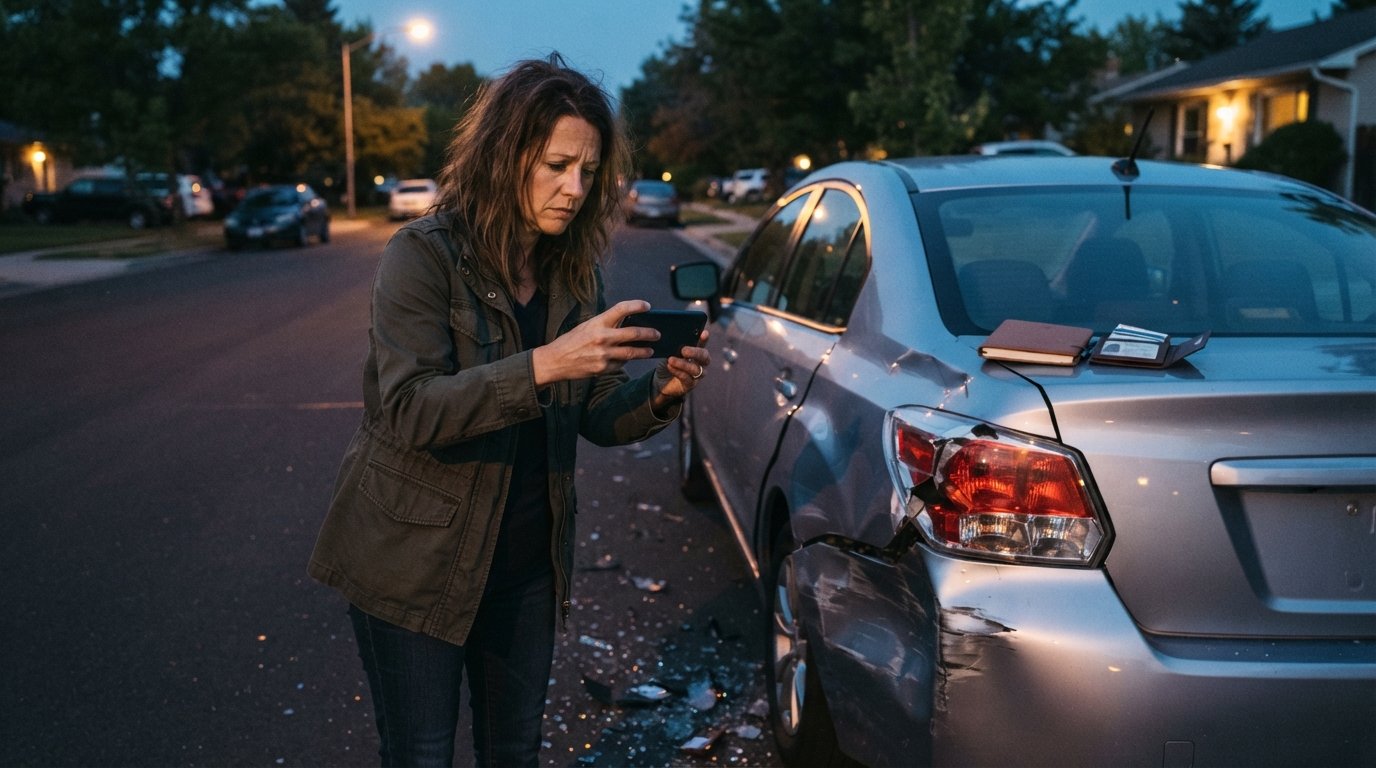
While waiting for police, gather as much information as possible. Even partial details help your case significantly. Look for witnesses who saw the incident and ask for their contact information. Photograph your vehicle damage from multiple angles, capture the accident location including street signs or landmarks, and note the time and weather conditions. If you caught even a glimpse of the fleeing vehicle, write down the color, make, model, and any partial license plate characters while the memory remains fresh.
When officers arrive, request a copy of the police report number. This document becomes the cornerstone of your insurance claim, as it officially verifies that a hit and run occurred. Some jurisdictions require you to file a separate report within a specific timeframe, so ask the responding officer about any additional paperwork requirements.
Understanding Which Coverage Applies
Hit and run accidents fall into a unique insurance category because no other driver is available to assign fault. Your own policy must absorb the costs, but which portion of your coverage responds depends on your specific situation and policy structure.
Collision coverage handles damage to your vehicle regardless of who caused the accident. If you carry collision insurance, this portion of your policy typically pays for repairs after a hit and run, minus your deductible. This coverage applies whether the other driver is identified or not, making it the most straightforward path for vehicle damage claims.
Uninsured motorist coverage (UM) and underinsured motorist coverage (UIM) protect you when the at-fault driver either has no insurance or insufficient coverage. In hit and run situations, these coverages often apply because the fleeing driver effectively becomes an uninsured motorist. UM coverage typically handles medical expenses and sometimes property damage, depending on your state and policy provisions. For a detailed breakdown of how this protection works, see our coverage guide on uninsured motorist protection.
Personal injury protection (PIP) or medical payments coverage (MedPay) pays for your medical treatment regardless of fault. These coverages prove especially valuable in hit and run cases because they respond quickly without requiring you to identify the other driver first.
Here is how the main coverage types break down for hit and run claims:
- Collision coverage: Pays for vehicle repairs minus deductible, applies regardless of fault
- Uninsured motorist coverage: Covers medical bills and sometimes property damage when the at-fault driver cannot be found
- Personal injury protection: Handles medical expenses and lost wages quickly, no fault determination needed
- Medical payments coverage: Pays medical bills for you and passengers, regardless of who caused the accident
Review your policy declarations page to confirm which coverages you carry before filing your claim. Knowing this information upfront prevents confusion and helps you communicate clearly with your insurer about what you expect them to cover.
Filing the Police Report
Filing a police report is not optional in most hit and run situations. Insurance companies typically require an official police report to process these claims because it provides third-party verification that the accident occurred as you described. Without this documentation, insurers may delay or deny your claim entirely.
If officers responded to the scene, they created a report automatically. Request the report number before they leave and ask how to obtain a copy. In some jurisdictions, you can access the report online within a few days. In others, you may need to visit the police station or submit a written request.
If no officers responded to the scene (which happens in minor accidents or busy jurisdictions), you must file a report yourself. Visit the nearest police station or use the online reporting system if your city offers one. Bring your driver's license, vehicle registration, and insurance information. Provide as much detail as possible about the incident, including the time, location, and any description of the fleeing vehicle.
Some states require hit and run victims to file a specific form, sometimes called an SR-1 or similar accident report, within a set number of days. Failing to meet this deadline can result in license suspension or fines, in addition to complicating your insurance claim. Ask the police department or check your state's DMV website for specific requirements.
Notifying Your Insurance Company
Contact your insurance company as soon as possible after the accident, ideally within 24 to 48 hours. Most policies require prompt notification, and delays can give insurers grounds to question your claim. When you call, have your policy number, the police report number, and all documentation ready.
Be honest and thorough when describing what happened. Provide the facts without speculation or assumptions about the other driver's identity or motives. If you did not see the other vehicle clearly, say so. Insurance adjusters are trained to identify inconsistencies, and fabricating details to strengthen your claim can backfire catastrophically.
Ask your insurer specific questions about how your claim will proceed. Which coverage will apply? What is your deductible? How long will the process take? Will this claim affect your premiums? Getting clear answers upfront helps you set realistic expectations and identify potential issues early.
Keep detailed records of every conversation with your insurer. Note the date, time, representative's name, and summary of what was discussed. If you communicate in writing, save copies of all emails and letters. This documentation becomes valuable if disputes arise later in the claims process.
Documentation That Strengthens Your Claim
Insurance adjusters evaluate hit and run claims based on available evidence. The more documentation you provide, the smoother your claim process becomes. Start gathering materials immediately after the accident while details remain fresh.
Photographs serve as powerful evidence in hit and run cases. Take pictures of your vehicle damage from multiple angles, including close-ups and wide shots that show the full extent of the impact. Photograph the accident scene, capturing street signs, traffic signals, and any debris from the collision. If you have visible injuries, document those as well.
Witness statements add credibility to your account. If anyone saw the accident, collect their names, phone numbers, and brief written statements about what they observed. Even a witness who only saw the fleeing vehicle can provide useful information that supports your claim.
Medical records become essential if you suffered injuries. Seek treatment promptly and keep all documentation, including emergency room records, doctor's notes, treatment plans, and receipts for medical expenses. Insurance companies scrutinize injury claims carefully, and gaps in treatment or delayed medical care can reduce your settlement.
For a comprehensive comparison of auto insurance quotes that include robust uninsured motorist protection, consider researching multiple options before an accident occurs. Comparing policies with strong hit and run coverage helps you avoid financial surprises when you need protection most.
Common Challenges and How to Handle Them
Hit and run claims present unique obstacles that do not arise in standard accident claims. Understanding these challenges helps you prepare responses and avoid common pitfalls that delay or reduce settlements.
One frequent issue involves deductible requirements. Even when your insurer approves the claim, you typically must pay your collision deductible before repairs begin. If your deductible is $1,000, you pay that amount out of pocket regardless of the fact that you did nothing wrong. Some policies offer deductible waivers for hit and run accidents, so review your policy carefully or ask your agent about this provision.
Premium increases represent another concern for many drivers. Filing any claim can potentially affect your rates, even when you bear no fault. However, many states prohibit insurers from raising premiums for not-at-fault claims, including hit and runs. Check your state's regulations and ask your insurer directly about how this claim will impact your future premiums.
Disputes over fault occasionally arise when insurers question whether the accident truly involved a hit and run or whether you simply backed into something and fabricated the story. This is why police reports, witness statements, and consistent documentation matter enormously. If your insurer denies your claim based on suspicion, you have the right to appeal and provide additional evidence.
If you feel your claim was handled unfairly, several options exist. You can request a review by a supervisor, file a complaint with your state's insurance department, or consult an attorney who specializes in insurance disputes. Many states offer consumer protection services specifically for insurance complaints.
Working With Adjusters and Getting Fair Compensation
The insurance adjuster assigned to your claim plays a central role in determining your settlement. Building a cooperative but professional relationship with this person helps move your claim forward efficiently.
Respond promptly to adjuster requests for information. Provide documentation in organized, easy-to-review formats. If the adjuster schedules an inspection of your vehicle, make it available at the agreed time. Delays on your end give insurers reasons to slow-walk your claim.
When the adjuster makes a settlement offer, do not accept it immediately. Review the offer carefully and compare it to your actual costs. If the offer seems low, ask for a detailed explanation of how they calculated it. You have the right to negotiate, especially if you have receipts and estimates that support a higher amount.
Keep in mind that adjusters work for the insurance company, not for you. Their goal is to settle claims efficiently and cost-effectively. This does not mean they will treat you unfairly, but it does mean you should advocate for your interests and ensure you receive everything your policy promises.
If your vehicle was totaled, understand how your insurer values it. They typically use actual cash value (replacement cost minus depreciation) unless you have replacement cost coverage. Review their valuation carefully and challenge it if you believe the amount is too low based on comparable vehicle listings in your area.
When you need to compare options for auto coverage that includes strong hit and run protection, exploring multiple quote sources helps you find policies that balance affordability with comprehensive protection. Taking time to research before an incident occurs means you will know exactly what to expect from your coverage.
The days following a hit and run accident feel overwhelming, but following a clear process protects your financial interests and speeds your recovery. Report the incident to police immediately, notify your insurer promptly, document everything thoroughly, and advocate for fair compensation. Your diligence in these steps makes the difference between a frustrating ordeal and a resolved claim that gets you back on the road with confidence. For additional support comparing coverage options or understanding your policy, resources like FreeAutoInsuranceQuotesOnline offer tools to help drivers make informed decisions about their protection.