
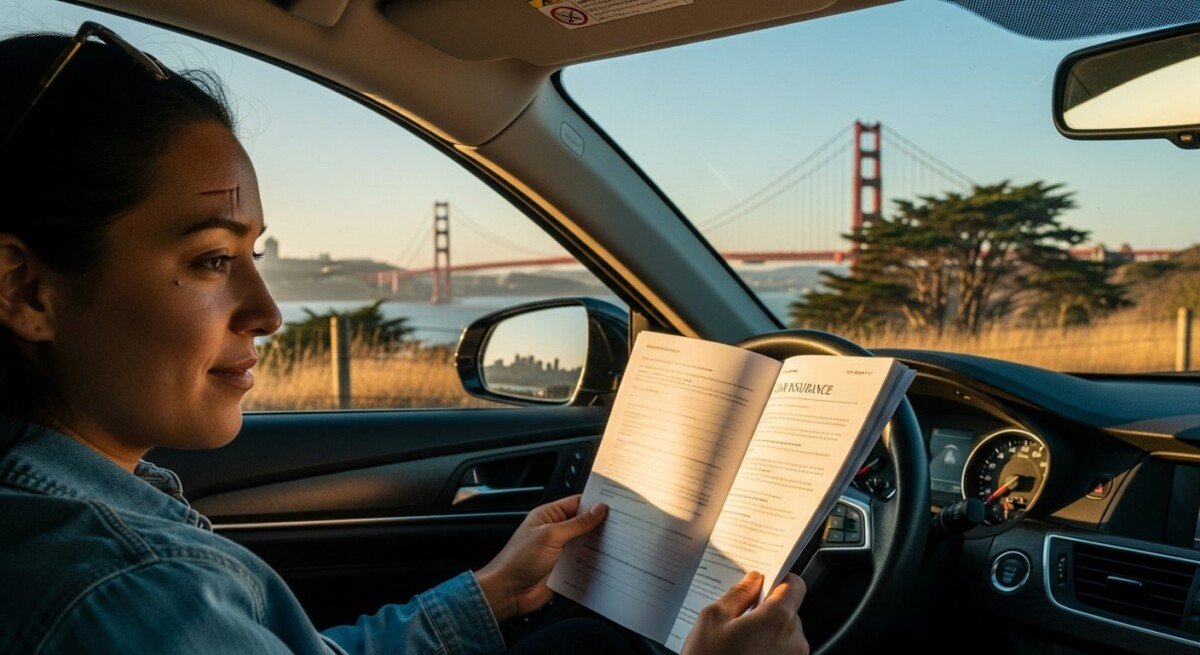
Finding Affordable Auto Insurance in San Francisco
Get a tailored quote for affordable auto insurance in San Francisco. Call our experts at 833-214-7506 to discuss your coverage options and potential savings.

By Maribel Quinn
Navigating the streets of San Francisco is an adventure, from the steep hills of Nob Hill to the bustling corridors of Market Street. For drivers in the City by the Bay, securing affordable auto insurance can feel like an equally daunting trek. With some of the highest average premiums in the nation, San Francisco presents unique challenges. Yet, affordable coverage is not a myth. It requires a strategic understanding of local factors, a willingness to shop smartly, and knowledge of the specific discounts and policy adjustments that can lead to significant savings. This guide will walk you through the concrete steps to find quality, affordable auto insurance in San Francisco without compromising on essential protection.
Why San Francisco Auto Insurance Costs Are High
Before diving into savings strategies, it’s crucial to understand what drives up costs. San Francisco’s insurance landscape is shaped by a confluence of urban factors. First, the dense population and notoriously congested traffic significantly increase the likelihood of accidents, from fender benders on the Embarcadero to more serious collisions on the 101 or 280 freeways. Higher accident rates directly translate to higher claim payouts for insurers, which are passed on to consumers in the form of higher premiums.
Second, the high cost of living and doing business in the Bay Area affects every service, including auto repair and medical care. When a claim is filed, the cost of parts, labor, and healthcare is substantially above the national average. Insurers price their policies to reflect these elevated repair and medical costs. Third, San Francisco has a higher rate of vehicle theft and vandalism compared to many other cities, which adds another layer of risk that insurers must account for. Finally, the state of California’s mandatory insurance requirements and legal environment also play a role in shaping baseline costs. Understanding these factors is the first step toward mitigating their impact on your personal premium.
Proven Strategies to Lower Your Premium
While you can’t change the city’s risk profile, you have direct control over many variables that insurers use to calculate your rate. Implementing a combination of these strategies can yield substantial, long-term savings on your auto insurance in San Francisco.
Start with the most powerful tool at your disposal: comparison shopping. Rates can vary dramatically between companies for the same driver profile. Obtain quotes from at least three to five different insurers, including national carriers, regional providers, and direct-to-consumer companies. Remember, the cheapest quote isn’t always the best value; you must balance cost with coverage limits and customer service reputation. Our resource on 5 Tips for Choosing the Best Affordable Auto Insurance provides a framework for making this critical comparison effectively.
Next, scrutinize your coverage. California’s minimum liability limits (15/30/5) are notoriously low and may not offer sufficient protection in a high-cost area like San Francisco. However, if you drive an older car with low market value, consider dropping comprehensive and collision coverage. The annual premium and deductible might exceed the car’s worth. Increasing your deductible, the amount you pay out-of-pocket before insurance kicks in, is another reliable way to lower your monthly payment. Just ensure you have that deductible amount saved and accessible.
Take full advantage of every discount you qualify for. Common discounts include:
- Multi-policy (Bundling): Combining your auto and renters or homeowners insurance with the same company.
- Good Driver: Maintaining a clean driving record for a specified period, typically three years.
- Low Mileage: Driving fewer than the average annual miles, which is very achievable for many city dwellers.
- Vehicle Safety Features: Discounts for anti-lock brakes, airbags, and anti-theft devices.
- Good Student: For young drivers maintaining a B average or higher.
- Pay-in-Full & Paperless Billing: Paying your six-month or annual premium upfront and opting for electronic documents.
Improving your credit score, where legally permissible for rating in California, can also have a profound impact. Insurers often use credit-based insurance scores as a factor, associating higher scores with lower risk.
Special Considerations for San Francisco Drivers
City living demands specific insurance considerations. If you rely on public transit, car-sharing services like Zipcar, or only drive occasionally, a low-mileage discount is essential. Some insurers even offer usage-based or pay-per-mile programs that can be ideal for infrequent drivers. Parking is another major factor. If you have access to a secure, off-street garage, be sure to inform your insurer, as it reduces the risk of theft and vandalism compared to street parking. Conversely, if you must park on the street regularly, comprehensive coverage becomes more critical.
For new drivers, whether teenagers or adults new to the country, the cost of insurance can be particularly staggering. A specialized approach is necessary. A dedicated resource like A First Time Driver’s Guide to Affordable Auto Insurance offers targeted advice on navigating high initial premiums, from choosing the right vehicle to leveraging telematics programs that monitor safe driving habits.
Young male drivers, especially teenagers, face the highest rates due to statistical risk. Families seeking coverage for a 16-year-old son should explore all available discounts and consider adding them to the family policy versus a separate one. For a deep dive into managing these costs, the article on Affordable Auto Insurance for 16-Year-Old Males breaks down specific strategies and state programs that can help.
Beyond Price: Evaluating Insurance Value
Affordable insurance should not mean inadequate insurance. The goal is to maximize value, which is the protection you receive for the price you pay. Carefully review the coverage details beyond the premium number. Look at the insurer’s financial strength ratings from agencies like A.M. Best or Standard & Poor’s, which indicate their ability to pay out claims. Research customer satisfaction scores for claims handling. A slightly higher premium from a company with a stellar claims service reputation can be far more valuable when you’re in a collision on Geary Boulevard and need support.
Understand the different parts of your policy: liability (for damage you cause to others), comprehensive (for theft, vandalism, fire), collision (for damage to your car from an accident), and uninsured/underinsured motorist coverage (crucial in a city). Ensure your liability limits are high enough to protect your assets in the event of a serious lawsuit. As you plan for the future, staying informed is key. For instance, looking ahead to A New Driver’s Guide to Affordable Auto Insurance in 2026 can provide insights into evolving trends and regulations that may affect your coverage choices and costs.
Frequently Asked Questions
Is the cheapest auto insurance policy always the best choice in San Francisco?
Not necessarily. The cheapest policy may offer only the state minimum liability limits, which are often insufficient in a high-cost area. It might also come from a company with poor customer service or a slow claims process. Balance affordability with adequate coverage and company reliability.
How much can I save by bundling my policies?
Discounts for bundling auto with renters or homeowners insurance typically range from 5% to 25% off the total premium. The exact amount varies by insurer, so it’s important to get a bundled quote and compare it to the cost of separate policies from different companies.
Does my credit score affect my auto insurance rate in California?
Yes, in most cases. California law allows insurers to use credit-based insurance scores as one factor in determining personal auto insurance rates, except for certain military personnel. Maintaining a good credit score can help you secure a lower premium.
What should I do immediately after an accident in San Francisco to ensure my claim is processed smoothly?
Ensure safety first, then call the police to file a report, especially in a dense urban area. Exchange information with the other driver(s) and take photos of the scene, vehicle damage, and any relevant street signs or landmarks. Notify your insurance company as soon as possible to start the claims process.
Are there any city-specific programs for low-income drivers?
While there is no San Francisco-specific program, the state of California offers the Low-Cost Auto Insurance Program (CLCA) for income-eligible, good drivers. This program provides liability-only coverage at a reduced price and is worth exploring if you meet the criteria.
Securing affordable auto insurance in San Francisco is an achievable goal for diligent drivers. It requires moving beyond a passive renewal mindset and adopting an active, informed approach to managing your policy. By consistently shopping around, tailoring your coverage to your actual needs, leveraging every applicable discount, and prioritizing value over mere price, you can navigate the city’s expensive insurance landscape with confidence. The road to savings is paved with knowledge and proactive effort.