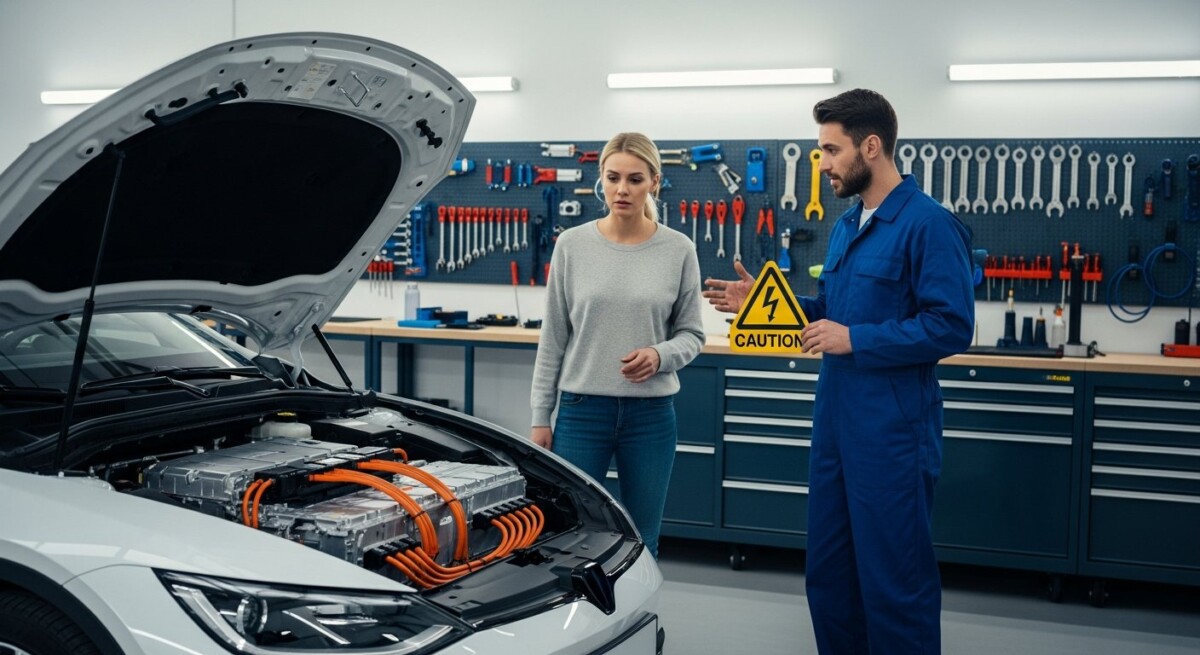
Switching to an electric vehicle (EV) is an exciting step toward lower fuel costs and a smaller carbon footprint. But when you start shopping for coverage, you might notice a surprising reality: electric vehicle auto insurance cost often runs higher than insuring a comparable gasoline-powered car. Understanding why premiums differ and what you can do to control them is essential for any EV owner. This article breaks down the major factors that shape your rates, compares coverage options, and offers actionable tips to save money without sacrificing protection.
Why Electric Vehicle Auto Insurance Cost Differs from Gas Cars
Insurance premiums are based on risk, repair costs, and claims frequency. For EVs, each of these areas presents unique challenges. The average electric vehicle auto insurance cost in the United States can be 20 to 30 percent higher than a similar gas model. A key reason is the price of replacement parts. EVs use specialized components like high-voltage battery packs, electric drive motors, and advanced electronics that are more expensive to repair or replace.
Additionally, many EVs are equipped with cutting-edge safety and driver-assistance technology. While these features can reduce accident risk, they also increase the vehicle’s overall value and repair complexity. Even a minor collision may require recalibration of sensors and cameras, driving up labor costs. Insurers factor these higher potential payouts into your premium.
Another factor is the limited number of certified repair shops. Not every body shop is qualified to work on EVs. Shops that are certified often charge higher rates, and if your car needs to be towed farther to reach one, those costs also get passed down through your insurance. In our guide on Best Auto Insurance for Electric Vehicles in 2026, we explain how to identify carriers that offer competitive rates for EV owners.
Key Factors That Influence Your EV Insurance Premium
Vehicle Model and Battery Value
The make and model of your EV play a major role in determining your rate. Luxury EVs like Tesla Model S or Lucid Air carry higher premiums because of their expensive battery packs and advanced technology. Even mass-market models like the Nissan Leaf or Chevrolet Bolt have higher repair costs than their gas counterparts. The battery alone can cost thousands to replace, so insurers charge more to cover that risk.
Driving Habits and Annual Mileage
How much and where you drive matters. EVs often have lower annual mileage than gas cars because owners tend to use them for commuting and local trips. However, if you drive long distances regularly or in areas with high accident rates, your premium will increase. Insurers also consider your charging habits. If you rely on public fast-charging stations frequently, the risk of damage or theft at those locations may be factored in.
Safety Features and Repair Networks
Most modern EVs come with advanced safety features like automatic emergency braking, lane-keeping assist, and 360-degree cameras. These can qualify you for discounts, but they also mean repairs are more expensive. Insurers also look at the availability of certified repair networks in your area. If you live in a rural region with few EV-certified shops, your premium may be higher due to increased logistical costs.
Comparing Insurance Costs: EV vs. Gas Vehicle
To give you a clearer picture, let’s compare a few popular models. A 2024 Tesla Model 3 typically costs around $2,000 to $3,000 per year to insure, while a comparable gas sedan like the Honda Accord runs about $1,400 to $1,800. The difference is even starker for luxury EVs. A Tesla Model S can exceed $4,000 annually, whereas a gas-powered BMW 5 Series might be $2,500 to $3,000.
However, the gap is narrowing. As more EVs enter the market and repair infrastructure expands, some insurers are offering competitive rates for electric models. Shopping around and comparing quotes from multiple carriers is the best way to find affordable coverage. If you have a leased or financed EV, remember that your lender will require comprehensive and collision coverage, which adds to the baseline cost. For more details on coverage requirements, see our article on Best Auto Insurance for Leased Vehicles: Coverage Guide.
How to Lower Your Electric Vehicle Auto Insurance Cost
Reducing your premium is possible with a few strategic moves. Below are actionable steps you can take to lower your electric vehicle auto insurance cost without compromising coverage.
- Bundle policies: Combine your EV insurance with homeowners or renters insurance from the same company to get a multi-policy discount.
- Increase deductibles: Raising your comprehensive and collision deductibles from $500 to $1,000 can reduce your premium by 10 to 20 percent.
- Ask about EV-specific discounts: Some insurers offer discounts for low mileage, safe driving programs, or installing a home charging station.
- Maintain good credit: In most states, insurers use credit-based insurance scores. A higher score can lead to lower rates.
- Take a defensive driving course: Completing an approved course may qualify you for a discount, especially if you are a senior driver.
Each of these strategies can save you money, but the most effective approach is to compare quotes from at least three different insurers. Rates vary widely, and a company that specializes in EV coverage may offer significantly better pricing. For those with a financed EV, it is also wise to review your lender’s minimum coverage requirements. Our guide on Best Auto Insurance for Financed Cars: Full Guide explains how to balance lender demands with your budget.
Special Coverage Considerations for EV Owners
Battery and Charging Equipment Protection
Standard auto insurance covers the vehicle’s battery as part of comprehensive and collision coverage, but it may not cover damage to your home charging station or portable charging cables. Some insurers offer endorsements that extend coverage to charging equipment. If you rely on public charging, check whether your policy covers damage or theft while your car is plugged in.
Roadside Assistance and Towing
EVs require specialized towing procedures. Towing an EV incorrectly can damage the electric motor or battery. Many insurers offer roadside assistance add-ons that include EV-specific towing. This is especially valuable if you travel long distances or live in an area with limited charging infrastructure.
Gap Insurance for EVs
Because EVs depreciate faster than many gas cars in the first few years, gap insurance is highly recommended. If your EV is totaled or stolen, gap coverage pays the difference between what you owe on your loan and the car’s actual cash value. Without it, you could be left with a significant debt. For leased EVs, gap insurance is often required by the leasing company.
Frequently Asked Questions
Is electric vehicle auto insurance cost higher for all models?
Not necessarily. Some mass-market EVs like the Chevrolet Bolt or Hyundai Kona Electric have premiums that are only slightly higher than their gas counterparts. Luxury and high-performance EVs tend to have the largest premium differences. Always compare quotes for the specific model you are considering.
Can I insure an EV with the same company that covers my gas car?
Yes, most major insurers offer coverage for both. However, not all insurers have competitive rates for EVs. It is worth shopping around to see if a specialized carrier can offer better pricing or EV-specific benefits.
Does driving an EV lower my insurance rates due to safety features?
Safety features can earn you discounts, but the overall premium is still influenced by repair costs. The net effect varies by insurer and vehicle model. Some companies offer up to 10 percent off for advanced driver-assistance systems.
What should I do if my EV insurance premium increases at renewal?
Contact your insurer to ask about the reason for the increase. It could be due to a change in your driving record, a rate adjustment for your area, or increased repair costs for your model. You can also request a quote review and ask about new discounts. If the increase is significant, shop around for a better rate.
Final Thoughts on Managing Your EV Insurance Costs
Owning an electric vehicle brings many advantages, from lower fuel expenses to a quieter ride. While electric vehicle auto insurance cost can be higher upfront, understanding the factors at play and using the strategies outlined above can help you find a policy that fits your budget. Start by comparing quotes, ask about discounts, and consider adding gap coverage if you have a loan or lease. With a little research, you can protect your EV investment without overpaying. For more personalized assistance, call 833-214-7506 to speak with a licensed agent who can help you compare options tailored to your electric vehicle.