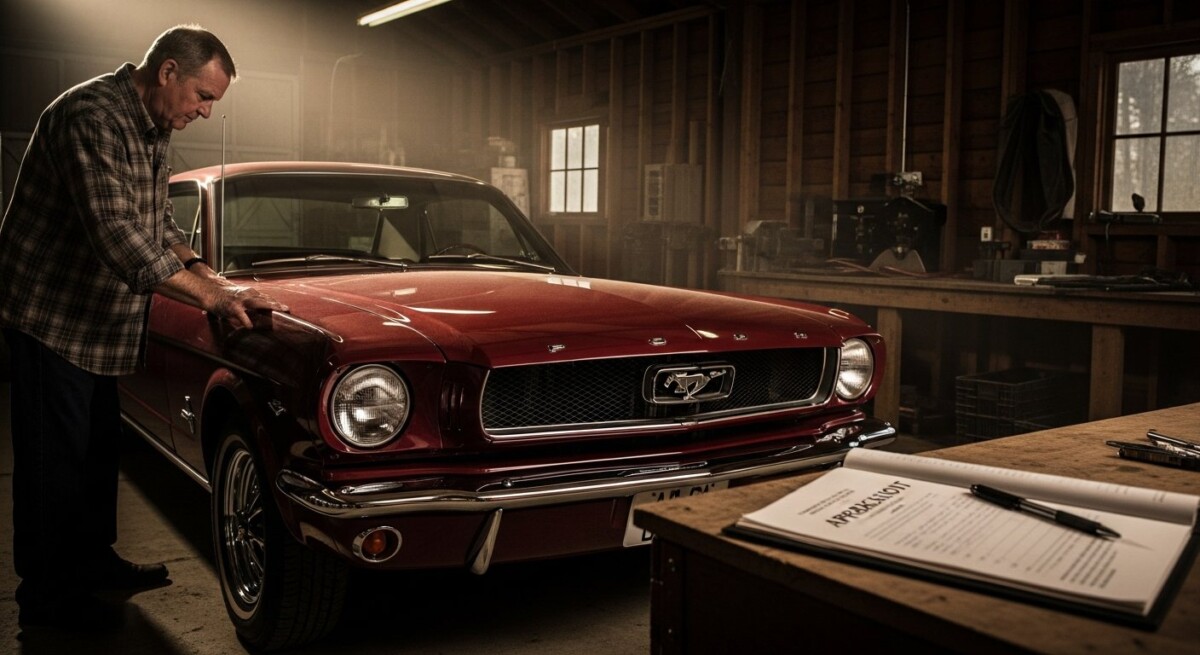
For collectors and enthusiasts, a vintage automobile is far more than a mode of transportation. It represents years of restoration, a piece of automotive history, and a significant financial investment. Standard auto insurance policies often fail to protect these unique assets, leaving owners exposed to major financial losses. Understanding how classic car coverage and quotes differ from everyday auto insurance is essential for any serious collector. This guide walks through the specific protections, valuation methods, and cost factors that define specialty insurance for classic vehicles.
How Classic Car Insurance Differs from Standard Policies
Standard auto insurance is designed for vehicles that depreciate rapidly and are driven daily. Classic car insurance, by contrast, is built for vehicles that appreciate in value or maintain their worth over time. Insurers specializing in this market offer policies that account for limited mileage, secure storage, and the true market value of a collectible car.
One of the most critical differences is how value is determined. A standard policy typically pays actual cash value, which factors in depreciation. If your classic car is totaled, a standard policy might only reimburse you for a fraction of what you invested. Specialty policies often use an agreed value approach, where you and the insurer set a fixed payout amount upfront. This ensures that if the worst happens, you receive the full agreed amount without depreciation deductions.
Another key distinction is mileage restrictions. Most classic car insurers cap annual mileage between 2,500 and 5,000 miles. This reflects the limited use of these vehicles for shows, parades, and occasional pleasure drives. In our guide on classic car insurance protect your vintage investment, we explain how this lower risk profile translates to lower premiums compared to standard policies.
Types of Coverage Available for Classic Cars
Classic car policies offer several layers of protection, each addressing specific risks that collectors face. The core coverages include liability, collision, comprehensive, and uninsured motorist protection, but the way they apply to classics can differ significantly.
Agreed Value vs. Stated Value Coverage
The most important coverage decision for a classic car owner is choosing between agreed value and stated value policies. With agreed value, you and the insurer agree on a vehicle value based on an appraisal. That amount is what you receive in a total loss, with no depreciation. Stated value policies let you declare a value, but the insurer may only pay the actual cash value at the time of loss, which could be lower. For high-value collectibles, agreed value is the safer choice.
Spare Parts and Restoration Coverage
Many collectors accumulate rare parts, engines, or transmissions for ongoing projects. Some specialty insurers offer coverage for spare parts stored in your garage or workshop. This protection can extend to parts in transit or being restored by a third party. Restoration coverage is also available for vehicles undergoing rebuilds, covering the increasing value of the car as work progresses.
Auto Show and Roadside Assistance
Classic cars often travel to shows or club events. Policies may include coverage for transit on a trailer or flatbed, as well as liability protection while the car is on display. Specialized roadside assistance designed for classic vehicles is also common, covering flatbed towing to avoid damage and mechanics familiar with vintage engines.
Factors That Influence Classic Car Coverage and Quotes
Several variables determine the cost of classic car coverage and quotes. Understanding these factors helps you secure the best rate while maintaining adequate protection.
- Vehicle Age and Rarity: Older, rarer models often command higher values but may have fewer comparable sales, requiring professional appraisals.
- Storage Conditions: Vehicles kept in a locked, climate-controlled garage receive lower rates than those stored outdoors or in shared spaces.
- Annual Mileage: Lower mileage limits reduce risk and premiums. Most insurers require odometer readings and logs.
- Driving History: A clean record with no accidents or violations helps secure preferred rates.
- Usage Pattern: Cars used only for shows, parades, and occasional pleasure drives qualify for better pricing than those used for daily errands.
Insurers also consider your experience with classic cars. Some companies offer discounts for completing an accredited restoration course or for membership in recognized car clubs. Providing documentation of these qualifications can lower your premium significantly.
How to Get Accurate Quotes for Classic Car Insurance
Obtaining reliable quotes for classic car insurance requires preparation. Unlike standard auto insurance, where you can enter basic vehicle details online, specialty insurers need more thorough information to assess risk and value accurately.
Start by getting a professional appraisal from a certified appraiser familiar with your make and model. This document establishes the agreed value and supports your coverage request. Without it, insurers may undervalue your vehicle or offer only stated value policies. Keep photographs of the car from multiple angles, including the engine bay, interior, and undercarriage, to document its condition.
When requesting quotes, provide the same details to each insurer for apples-to-apples comparison. Include the vehicle identification number, mileage, storage location, and intended use. Ask specifically whether the policy includes agreed value, spare parts coverage, and roadside assistance. Some companies bundle these features into standard packages, while others offer them as add-ons.
For a deeper look at selecting the right provider, refer to our guide on choosing the best auto insurance for classic cars. That resource breaks down company ratings, customer service reviews, and claims handling specifically for collector vehicles.
Common Discounts and Savings Opportunities
Classic car insurance is often more affordable than standard coverage due to lower risk, but additional discounts can further reduce premiums. Insurers typically reward behaviors that align with responsible ownership and limited vehicle use.
Common discounts include multi-policy discounts for bundling classic car insurance with your home or standard auto policy. Club membership discounts are available for members of organizations like the Antique Automobile Club of America or the Classic Car Club of America. Some insurers offer safe driver discounts for owners with no claims or violations over three to five years.
Installing security devices such as GPS trackers, immobilizers, and garage alarms can also lower your rate. A few companies even offer discounts for completing a defensive driving course tailored to older vehicles. Always ask each insurer for a full list of available discounts before binding a policy.
Choosing the Right Insurer for Your Classic Car
Not all insurance companies specialize in classic cars. National carriers like Geico and Progressive offer classic car policies, but they may apply standard claims practices that undervalue collectibles. Specialty insurers such as Hagerty, Grundy, and Heacock focus exclusively on collector vehicles and understand the nuances of agreed value, spare parts, and show coverage.
When evaluating insurers, check their financial strength ratings from agencies like A.M. Best or Standard & Poor’s. A strong rating ensures the company can pay claims even during economic downturns. Also read customer reviews about claims handling for classic cars. A slow or adversarial claims process can turn a minor incident into a major headache.
Consider whether the insurer offers a guaranteed repair network that works with restoration shops. Some policies require you to use their preferred body shops, which may not have experience with vintage vehicles. Specialty insurers often allow you to choose your own repair facility, preserving the quality of restoration work.
Frequently Asked Questions
What qualifies as a classic car for insurance purposes?
Most insurers define a classic car as a vehicle that is at least 20 years old, maintained in original or restored condition, and not used as a daily driver. Some companies have stricter age requirements of 25 or 30 years.
Can I drive my classic car every day with specialty insurance?
No. Classic car policies typically limit annual mileage to 2,500 to 5,000 miles and prohibit daily commuting or routine errands. Using the car as a primary vehicle voids coverage.
Do I need a separate appraisal for agreed value coverage?
Yes. Most specialty insurers require a professional appraisal within the last two years to establish agreed value. The appraisal must include photographs and a detailed condition report.
Will my classic car insurance cover parts I buy separately?
Many policies offer optional spare parts coverage. This protects rare components stored in your garage or workshop against theft, fire, or damage. Check your policy limits for parts coverage.
How do I lower my classic car insurance premium?
Increase your deductible, store the vehicle in a secure garage, limit annual mileage, join a recognized car club, and bundle policies with the same insurer. Completing a restoration course may also qualify for a discount.
For a complete overview of protections and policy options, see our classic car insurance guide for collectors in 2026. That article covers emerging trends and changes in valuation standards for the coming year.
Protecting a classic car requires more than a standard auto policy. Specialty coverage with agreed value, spare parts protection, and limited mileage provisions ensures that your investment remains secure whether it is parked in the garage or cruising to a show. By comparing classic car coverage and quotes from multiple specialty insurers, you can find a policy that balances cost with comprehensive protection. Always read the policy details carefully, ask about exclusions, and maintain proper documentation of your vehicle’s value and condition. With the right coverage, you can enjoy your vintage automobile with confidence, knowing that your financial investment is protected against the unexpected.