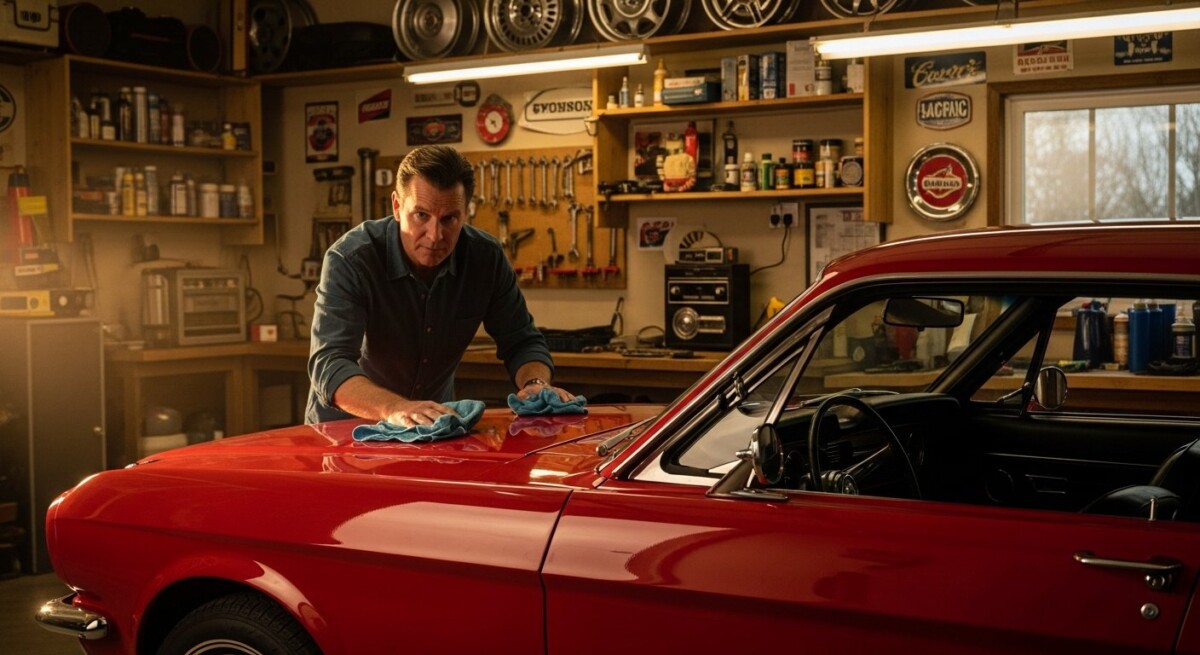
Owning a classic vehicle is more than a hobby. It is a commitment to preserving history, craftsmanship, and a piece of automotive art. Whether you drive a 1965 Mustang, a 1957 Chevrolet Bel Air, or a 1970 Porsche 911, your car represents a significant financial and emotional investment. Standard auto insurance policies are not designed to cover these vehicles properly. That is why specialized auto insurance for classic vehicles exists, and understanding how it works can save you thousands of dollars and a great deal of frustration. This guide explains the differences, the coverage options, and the steps you need to take to protect your prized possession.
What Makes Classic Car Insurance Different
Standard auto insurance policies calculate premiums based on the vehicle’s depreciated actual cash value. For a daily driver, this makes sense. For a classic car, it is disastrous. If your classic is totaled, a standard policy might pay you only a fraction of what it would cost to replace or restore it. Classic car insurance, on the other hand, uses an agreed value policy. You and the insurer agree on a specific value for the car at the start of the policy. If the car is declared a total loss, you receive that full agreed amount, not a depreciated value.
Another major difference is how the vehicle is used. Classic car policies typically restrict mileage and usage. They assume you are not commuting daily or using the car for errands. Instead, they cover occasional pleasure drives, car shows, parades, and club events. This lower risk profile translates into significantly lower premiums. In fact, many classic car owners pay 30 to 50 percent less than they would for a standard policy on the same vehicle. However, you must meet certain eligibility requirements, such as having a primary vehicle for daily use and storing the classic in a secure garage.
Types of Classic Vehicles Covered
Insurance companies define “classic” in different ways, but most policies cover a broad range of collectible vehicles. Knowing which category your car falls into helps you choose the right policy. Common categories include:
- Antique Cars: Typically vehicles 25 years or older, preserved in original or restored condition.
- Classic Cars: Vehicles 20 to 25 years old that are of interest to collectors and enthusiasts.
- Exotic Cars: High-performance, luxury, or rare vehicles that may be newer but have collectible value.
- Modified or Custom Cars: Vehicles with aftermarket modifications, engine swaps, or custom bodywork.
- Muscle Cars: American-made, high-performance cars from the 1960s and 1970s.
Each category may have specific underwriting guidelines. For example, a modified car might require a separate appraisal to document the value of custom parts. Antique cars often need to be driven only to shows or events. It is important to disclose all modifications to your insurer. If you fail to report a custom engine or transmission, the insurer could deny a claim. When you are evaluating your coverage needs, consider whether your vehicle fits into one of these categories. If you are unsure, ask your agent to review the vehicle’s age, rarity, and condition.
Coverage Options You Should Consider
Auto insurance for classic vehicles includes many of the same coverage types found in standard policies, but with important nuances. Below are the key coverages you should evaluate for your classic car.
Agreed Value vs. Stated Value
This is the most critical distinction. With an agreed value policy, you and the insurer set a value upfront. If the car is totaled, you receive that amount with no depreciation. Stated value policies, in contrast, let you state a value, but the insurer may only pay the actual cash value at the time of loss, which could be lower. Always choose agreed value coverage for a true collectible. It provides certainty and peace of mind.
Comprehensive and Collision
Comprehensive covers non-collision damage such as fire, theft, vandalism, hail, or falling objects. Collision covers damage from hitting another vehicle or object. For a classic car, both are essential. Even a minor fender bender can cost thousands to repair with original parts. Make sure your deductible is affordable. Some insurers offer vanishing deductibles that decrease over time if you maintain a claim-free record.
Spare Parts and Accessories Coverage
Classic car owners often have expensive spare parts, extra wheels, or custom interiors. Standard policies may not cover these items if they are not installed on the vehicle. Look for a policy that extends coverage to spare parts stored in your garage or workshop. This can save you from a significant out-of-pocket loss if your collection is damaged or stolen.
Towing and Roadside Assistance
A breakdown in a classic car is different from a modern car. You may need a flatbed tow truck to avoid undercarriage damage. You may also need someone who understands how to handle a vintage vehicle. Choose a policy that includes specialized roadside assistance for classic cars. This often covers towing to a restoration shop rather than just the nearest dealership.
How to Determine the Right Value for Your Classic Car
Setting the correct value is the most important step in buying auto insurance for classic vehicles. If you overvalue the car, you pay higher premiums. If you undervalue it, you risk being underinsured. The best way to establish value is with a professional appraisal. A certified appraiser will inspect the vehicle, review its condition, document original parts, and compare recent sales of similar models. They will provide a written report that you can submit to your insurer.
You can also use valuation tools from organizations like Hagerty or the National Automobile Dealers Association (NADA). These tools give you a range based on condition grades such as excellent, good, fair, or poor. Be honest about your car’s condition. If your car has original paint but minor rust, do not rate it as “excellent.” Insurers can dispute a claim if the condition does not match the stated value. Regularly update the valuation every three to five years, especially if the market for your model is rising. For example, a 1970 Plymouth Hemi Cuda has seen dramatic value increases in recent years. An outdated appraisal could leave you seriously underinsured.
Remember that the agreed value should include the cost of restoration, rare parts, and any custom modifications. If you have invested 40,000 dollars into a frame-off restoration, your policy should reflect that amount, not just the car’s market value before restoration. Keep receipts and photographs as documentation. Your insurer may request them during underwriting or at claim time.
Mileage Restrictions and Usage Requirements
One of the trade-offs for lower premiums is that classic car policies come with mileage limits. Typical policies allow between 2,500 and 5,000 miles per year. Some insurers offer higher limits for an additional premium. If you exceed the limit, your insurer may deny coverage for a claim or cancel your policy. It is important to estimate your annual driving accurately. If you plan to drive your classic to work once a week, you may need a standard policy instead.
Usage requirements also matter. Most insurers require that you have another vehicle for daily transportation. The classic car must be stored in a locked garage when not in use. Some insurers require that the garage be attached to your primary residence. If you store the car in a separate facility, disclose that upfront. Also, be aware that letting someone else drive your classic regularly could void coverage. Most policies cover occasional test drives by a mechanic but not regular use by a family member. For more detailed guidance on finding affordable coverage that fits your usage, see our article on how to find the most affordable auto insurance plans.
Discounts and Savings Opportunities
Even though classic car insurance is already more affordable than standard policies, you can still find ways to save. Many insurers offer discounts for club membership. If you belong to a recognized organization like the Antique Automobile Club of America (AACA) or the Classic Car Club of America (CCCA), you may receive a 5 to 10 percent discount. Completing a defensive driving course can also lower your rate. Some insurers offer a discount if you install a tracking device or security system like a GPS tracker or a kill switch.
Bundling your classic car policy with your standard auto or homeowners insurance is another common way to save. However, be cautious. Some carriers that bundle policies may not offer the same level of specialized coverage as a dedicated classic car insurer. Compare the total package rather than just the price. Finally, maintaining a clean driving record is crucial. A single speeding ticket or at-fault accident on your personal driving record can increase your classic car premium significantly. For more strategies on reducing costs, check out our guide on how low cost full coverage auto insurance saves you money.
Frequently Asked Questions
Can I insure a classic car if I have a poor driving record?
Yes, but it may be more difficult and expensive. Some classic car insurers are more lenient because they assume you will drive the vehicle infrequently. However, a history of DUIs or multiple accidents could still lead to a denial. In that case, you may need to seek a high-risk auto insurance provider first. Our article on high-risk auto insurance: how to get coverage explains your options.
Do I need a separate policy for my classic car?
Yes. Most standard auto policies do not offer agreed value coverage or the specialized benefits required for collectibles. Adding a classic car to your existing policy usually results in inadequate coverage. A separate policy is strongly recommended.
What happens if my classic car is damaged in a natural disaster?
If you have comprehensive coverage, your policy will cover damage from floods, hurricanes, earthquakes, and wildfires. Make sure your comprehensive deductible is set at a level you can afford. Some classic car policies offer zero deductible for comprehensive claims.
Can I drive my classic car out of state?
Yes, but you should notify your insurer if you plan to drive long distances or attend out-of-state car shows. Most policies include nationwide coverage, but some have territorial limits. Always check with your agent before a long trip.
Choosing the Right Insurance Company
Not all insurers are created equal when it comes to classic cars. National carriers like Geico and Progressive offer classic car policies, but they may not have the same expertise as specialty providers like Hagerty, Grundy, Heacock, or American Collectors Insurance. Specialty insurers understand the nuances of classic car ownership. They employ adjusters who know how to source rare parts and work with restoration shops. They also offer features like inflation guard, which automatically increases your agreed value each year to keep pace with market appreciation.
When comparing companies, look at their financial strength ratings from agencies like A.M. Best or Standard & Poor’s. You want a company that will be around to pay claims decades from now. Also, read reviews about their claims process. A slow or difficult claims experience can be devastating when your prized vehicle is damaged. Finally, ask about their policy on using original parts. Some insurers allow you to choose the repair shop and require that only OEM (original equipment manufacturer) parts be used. Others may allow aftermarket parts to reduce costs. For a classic car, OEM parts are almost always preferable. If you need help comparing providers, our article on how to find the best auto insurance companies near me can assist you in finding a reputable insurer.
In summary, auto insurance for classic vehicles is a specialized product that protects your investment with agreed value coverage, lower premiums, and tailored benefits. By understanding the types of coverage, setting the correct value, and choosing the right insurer, you can enjoy your classic car with confidence. Do not leave your vintage vehicle exposed to the same risks as a modern commuter car. Take the time to evaluate your options and secure a policy that truly fits your needs.