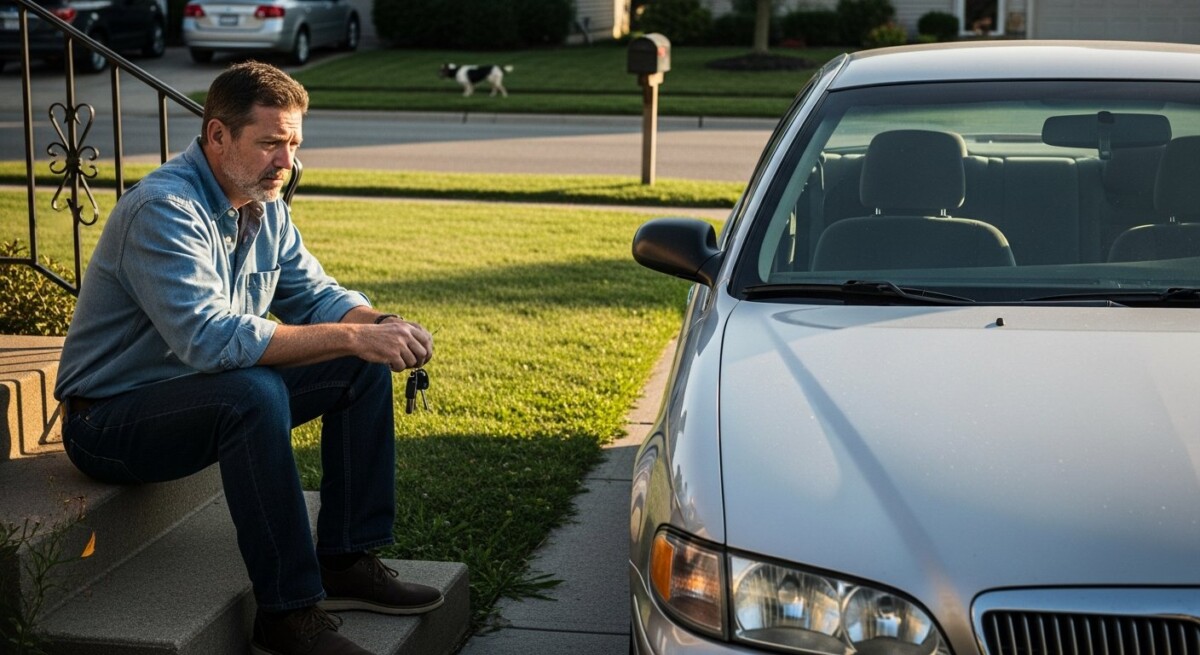
Imagine you own a car but cannot drive it. Maybe your license was suspended after a DUI, or perhaps you are an undocumented immigrant who never qualified for a state-issued license. In either scenario, you still need to protect your vehicle from theft, vandalism, or weather damage. The question that arises is whether you can legally purchase an auto insurance policy when you do not hold a valid driver’s license. The short answer is yes, but the process comes with specific requirements, higher costs, and fewer carrier options. This article explains how to get coverage, what types of policies are available, and how to avoid common pitfalls when securing auto insurance without a license.
Why Would Someone Need Auto Insurance Without a License?
Several life situations can leave a person owning a vehicle but unable to legally operate it. In these cases, insurance is still necessary to comply with state laws and protect the asset. Common scenarios include the following.
License suspension or revocation is one of the most frequent reasons. After a serious traffic violation, multiple DUIs, or an at-fault accident without insurance, a state may suspend your driving privileges. During the suspension period, your car still needs comprehensive coverage to prevent financial loss from non-driving events. Another scenario involves elderly individuals who have voluntarily surrendered their license due to age-related health issues but still own a vehicle that a family member or caregiver drives. Additionally, undocumented immigrants in some states cannot obtain a standard driver’s license yet may own a car for transportation by a licensed friend or relative. Finally, car collectors or investors sometimes purchase vehicles solely as assets and never drive them, yet they still want theft and fire protection.
Types of Auto Insurance Policies Available
When you do not hold a license, insurers will not sell you a standard personal auto policy that covers you as a driver. However, you can still purchase two alternative types of coverage: comprehensive-only insurance and non-owner car insurance. Understanding the difference is critical to choosing the right protection.
Comprehensive-Only Insurance (Parked Car Coverage)
This policy covers damage to your vehicle from events not involving a collision: theft, vandalism, fire, flood, falling objects, and animal strikes. It does not include liability, collision, or medical payments. You can buy comprehensive-only insurance if your car is parked, stored, or driven exclusively by someone else who has their own insurance. Most insurers require the vehicle to be kept in a garage or secured location. Premiums for this type of policy are significantly lower than a full-coverage plan because the insurer assumes no risk from driving accidents. However, not all carriers offer comprehensive-only policies to unlicensed owners. You may need to shop with specialty companies or local agents who understand your situation.
Non-Owner Car Insurance
If you do not own a vehicle but occasionally drive a borrowed or rental car, a non-owner policy provides liability coverage. This policy follows you as a driver, not a specific car. It is useful for someone whose license was suspended but who needs to drive a family member’s car for work or errands. Non-owner insurance typically includes bodily injury and property damage liability, plus uninsured motorist coverage in some states. It does not cover damage to the vehicle you are driving. To qualify, you usually must have a valid license, but some insurers offer non-owner policies to drivers with a suspended license if the suspension is nearing its end. In our guide on non owner auto insurance policy: who needs it and why, we explain how this coverage works and who qualifies.
How to Get Auto Insurance Without a License
The process requires extra documentation and a willingness to work with insurers that specialize in high-risk or non-standard policies. Follow these steps to increase your chances of approval.
- List a named driver on the policy. Most insurers require you to name at least one licensed driver who will be the primary operator of the vehicle. This person must live in your household or have a legitimate reason to drive the car regularly. The named driver must have a clean record or at least an acceptable driving history for the insurer to bind the policy.
- Provide proof of ownership. You will need the vehicle’s title or registration showing your name as the owner. If the car is financed, the lender may require full coverage, which can be harder to obtain without a licensed driver. In that case, ask the lender if they accept a comprehensive-only policy plus a named driver endorsement.
- Explain the reason for not having a license. Be honest with the agent or underwriter. If your license is suspended, provide the suspension end date if possible. If you never had a license due to immigration status, some states (like California, Colorado, and New Mexico) allow you to obtain a driver’s license regardless of status, so consider exploring that option first.
- Shop with multiple carriers. Large national insurers often decline unlicensed owners outright. Independent agents who work with several companies can match you with a carrier that accepts this risk. Specialty insurers like The General, Dairyland, or National General may offer policies in your scenario.
Once you have a policy, ensure the named driver maintains a good driving record. If that person gets into an accident or accumulates tickets, your premium will rise, and the insurer may non-renew the policy. Also, check whether your state requires all registered vehicles to carry liability insurance. If you only have comprehensive coverage, you might still need to file an SR-22 form if your license was suspended. The SR-22 is a certificate of financial responsibility that proves you carry the minimum liability coverage required by law. Even if you are not driving, a registered vehicle in your name may need this filing.
Cost Considerations and Premium Factors
Insurance premiums for unlicensed owners tend to be higher than standard rates because insurers view the situation as higher risk. Key factors that influence the cost include the following.
Your driving record, even if you are not currently licensed, still matters. A history of DUIs, at-fault accidents, or multiple tickets signals to the insurer that you are a high-risk individual. The named driver’s record also heavily impacts the premium. If the named driver has a clean history, the rate will be lower. The type of vehicle also plays a role. An expensive sports car or a model with poor safety ratings will cost more to insure than a modest sedan. Finally, the state where the vehicle is garaged determines minimum coverage requirements and average claim costs. For example, Michigan and Louisiana have some of the highest premiums in the country, while Maine and Ohio are more affordable.
To reduce costs, consider raising your deductible on comprehensive coverage. Since you are not driving, collision coverage is unnecessary unless you expect a named driver to operate the car frequently. If the car is financed, the lender may require collision, so weigh the cost of adding collision versus paying off the loan early. A comparison of where is the cheapest auto insurance can help you identify states with lower baseline premiums, which may be useful if you are considering relocating or registering the vehicle in a different state.
Legal Implications and State Variations
Each state has its own insurance laws, and some are stricter than others regarding unlicensed owners. In most states, you can register a vehicle without a driver’s license, but you must still carry the state’s minimum liability insurance. However, if you cannot drive, you cannot legally operate the vehicle, so the liability coverage is effectively a placeholder for the named driver. Some states require the named driver to be listed on the policy as an additional insured, not just an additional driver. This distinction affects who can file a claim and how the policy responds in a lawsuit.
If your license was suspended due to a DUI or failure to pay a judgment, the court may require you to file an SR-22 form with the state. This filing must remain active for a specific period, typically three years. Even if you do not drive, the SR-22 proves you have insurance. Failing to maintain the SR-22 can extend your suspension period. In some cases, the state may also require an ignition interlock device on any vehicle you own, even if you are not the driver. Understand your state’s specific requirements before purchasing a policy. For a deeper look at the process of regaining coverage after a suspension, read our article on how to get auto insurance after license suspension.
Frequently Asked Questions
Can I insure a car I own if I don’t have a license?
Yes, you can. You need to list a licensed driver as the primary operator. The policy will be in your name as the owner, but the coverage will be based on the named driver’s record. Comprehensive-only policies are easier to obtain than full coverage.
Will my insurance rates go up if I don’t have a license?
Not necessarily. If you are not listed as a driver, your personal driving history may not affect the premium. However, the named driver’s history will determine the rate. If you later reinstate your license and add yourself as a driver, your own record will then affect the cost.
Can I get non-owner insurance without a license?
Most non-owner policies require a valid license because they provide liability coverage for you as a driver. A few specialty insurers may offer a policy if your license is suspended but you have a documented need to drive, but options are very limited. In that case, you may need to wait until your license is reinstated.
What happens if I get caught driving without a license while insured?
If you drive a vehicle without a valid license and get into an accident, the insurance company may deny your claim because you were operating the vehicle illegally. The policy may also be voided if the insurer discovers that you misrepresented who the primary driver is. Always be truthful about your license status when applying.
Final Tips for Securing Coverage
Finding auto insurance without a license requires patience and careful research. Start by contacting an independent agent who can present your case to multiple carriers. Prepare all documents in advance: vehicle title, registration, the named driver’s license information, and any court orders related to your suspension. Ask the agent about discounts for bundling, paying annually, or installing anti-theft devices. If you are in a state that offers a driver’s license for undocumented residents, consider obtaining one to expand your insurance options. Once your license is reinstated, you can transition to a standard policy that covers you as a driver. For those who have faced claim denials or low settlement offers, our resource on which auto insurance company is best at paying claims provides insights into carriers with strong reputations for fair claim handling. With the right strategy, you can protect your vehicle and your finances even without a license.