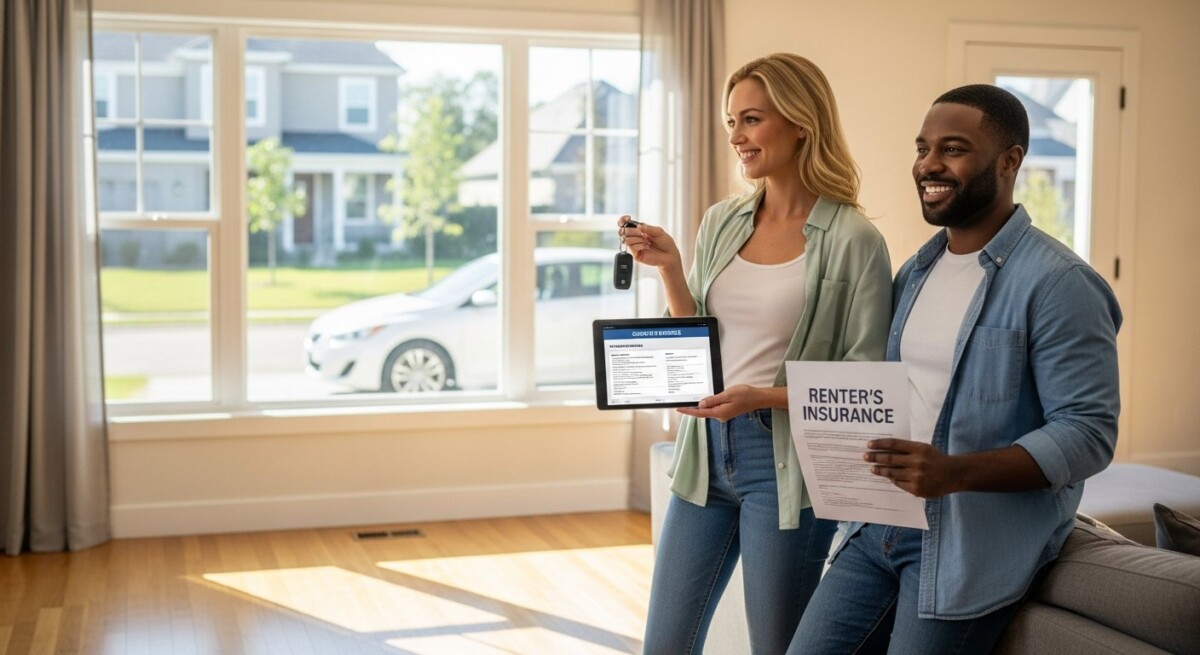
Most drivers know they need auto insurance, but many overlook the potential savings that come from pairing it with a property policy. Whether you rent an apartment or own a house, combining your car insurance with a renters or homeowners policy can unlock discounts and simplify your finances. This approach is not just about saving money; it is about building a cohesive insurance strategy that protects your assets without gaps or overlaps. In this article, we will explore how bundling works, why it matters, and what you should consider before committing to a package deal.
Why Bundling Auto Insurance with Property Coverage Makes Sense
Insurance companies reward loyalty and efficiency. When you purchase multiple policies from the same carrier, the insurer saves on administrative costs, billing overhead, and risk assessment. They pass some of those savings back to you in the form of a multi-policy discount. For renters and homeowners, this discount typically ranges from 10% to 25% off each policy. Over a year, that reduction can amount to hundreds of dollars.
Beyond the financial incentive, bundling simplifies your life. You deal with one company, one billing cycle, and one renewal date. If you need to file a claim, you call the same provider and work with adjusters who already understand your coverage profile. This coordination reduces confusion and speeds up the claims process. For example, if a storm damages both your car and your home, a single insurer can handle both claims simultaneously, eliminating back-and-forth communication between separate companies.
Bundling also helps you avoid coverage gaps. When policies are under one roof, the insurer can see the full picture of your risk and often recommend appropriate limits that align with your auto and property needs. This holistic view prevents situations where your auto policy covers a rental car but your renters policy does not include liability for temporary housing, or where your homeowners policy excludes certain personal property that your auto policy might cover. In our guide on Bundling Auto Insurance for Renters and Homeowners, we explain how to evaluate these overlaps.
How Bundling Works for Renters
Renters often assume they do not need property insurance because their landlord has coverage. That is a costly misconception. A landlord’s policy covers the building structure, not your personal belongings. If a fire destroys your furniture, electronics, or clothing, you are responsible for replacing those items out of pocket. Renters insurance fills that gap, covering your personal property and providing liability protection if someone is injured in your apartment.
When you bundle renters insurance with your auto policy, the savings can be substantial. Many insurers offer a multi-policy discount that applies to both the auto and renters components. For instance, if your annual auto premium is $1,200 and your renters policy costs $180, a 15% bundle discount could reduce the combined total by over $200. Over several years, that adds up to significant savings.
Renters insurance is generally inexpensive, often costing between $15 and $30 per month. Adding it to an existing auto policy rarely increases your monthly outlay by more than a few dollars after the discount. This makes bundling an easy way to protect yourself without a major budget impact. Additionally, some insurers offer special endorsements for renters, such as coverage for high-value items like jewelry or electronics, which you can add to your bundled package for a small fee.
What Renters Should Look For in a Bundle
Not all bundles are created equal. Before signing up, review the renters policy limits and exclusions. Standard renters insurance covers personal property at actual cash value unless you elect replacement cost coverage. The latter is worth the extra premium because it pays to replace your items at today’s prices, not their depreciated value. Also check the liability limit; $100,000 is common, but $300,000 may be advisable if you entertain frequently or have a dog breed that carriers consider high-risk.
Make sure the auto portion of the bundle includes the coverage types you need, such as comprehensive and collision for your vehicle, uninsured motorist protection, and roadside assistance. Some carriers restrict the discount if you choose minimum liability limits, so ask about requirements. For a deeper dive into combining these policies, read our post on Bundling Auto Insurance for Renters and Homeowners.
How Bundling Works for Homeowners
Homeowners insurance is more expensive than renters insurance, but it offers broader protection. It covers the structure of your home, other structures on your property (like a detached garage or shed), your personal belongings, additional living expenses if you cannot live in your home due to a covered loss, and liability. Bundling this with your auto insurance can yield even larger dollar savings because the homeowners premium is higher to begin with.
A typical homeowners policy costs between $1,200 and $2,000 per year, depending on your location, home value, and deductible. Adding auto insurance to the same carrier could reduce the combined premium by 10% to 25%. For example, if your homeowners premium is $1,500 and your auto premium is $1,200, a 15% bundle discount would save you $405 annually. That is real money that can go toward home maintenance or other priorities.
Homeowners also benefit from streamlined claims handling. If a tree falls on your car during a storm, and also damages your roof, a bundled policy means one adjuster visits your property, one claim number covers both incidents, and you receive a single settlement check. This efficiency reduces stress and ensures you are not caught in the middle of two insurance companies disputing responsibility.
Important Considerations for Homeowners Bundles
Before bundling, verify that your homeowners policy includes replacement cost coverage for your dwelling and personal property. Some policies offer extended or guaranteed replacement cost, which pays to rebuild your home even if construction costs exceed your coverage limit. This is critical in areas where building materials and labor are expensive. Also review your deductible structure; some insurers allow you to set a separate deductible for wind and hail damage, which is common in certain states.
If you have an older home with outdated electrical or plumbing systems, the insurer may require upgrades before issuing a policy. Bundling can sometimes make the underwriting process smoother because the carrier already has a relationship with you through your auto policy. For more details on avoiding common pitfalls, see our article on Bundling Auto Insurance for Renters and Homeowners.
When Bundling Might Not Be the Best Option
Bundling is not always the right choice. If you have a high-risk auto profile (multiple accidents, DUIs, or tickets), the insurer may charge a surcharge that offsets the bundle discount. In that case, keeping your auto and property policies separate could be cheaper. Similarly, if you own a classic car or a motorcycle, some carriers specialize in these vehicles and offer better rates than a general insurer, even without a bundle discount.
Another scenario where bundling may fall short is when you qualify for significant standalone discounts. For example, some auto insurers offer telematics-based discounts (usage-based insurance) that can reduce your premium by 30% or more. If that discount is not available with a bundled homeowners policy, you might lose more than you gain. Always compare the standalone price of each policy against the bundled price, factoring in all available discounts.
Consider also the customer service reputation of the insurer. A company with excellent auto claims handling might have poor homeowners claims service. The convenience of bundling is worthless if the claims process is frustrating. Research reviews from current policyholders, and check financial strength ratings from agencies like A.M. Best or Moody’s to ensure the company can pay claims.
Steps to Evaluate a Bundle Before You Buy
To make an informed decision, follow this step-by-step process:
- Gather your current auto policy declarations page and any existing renters or homeowners policy documents.
- List the coverage limits, deductibles, and endorsements you currently have for each policy.
- Request quotes from three to five insurers for both standalone policies and bundled packages.
- Compare the total cost of the bundle against the sum of standalone policies, including all discounts.
- Read the policy details to confirm that coverage levels are equal or better in the bundle.
After you collect these quotes, pay attention to the fine print. Some insurers apply the bundle discount only to the auto policy or only to the property policy, not both. Others require you to set up automatic payments or paperless billing to qualify. A few carriers even cap the discount after a certain premium threshold. Knowing these nuances helps you avoid surprises at renewal time. For a comprehensive comparison, check out our resource on Bundling Auto Insurance for Renters and Homeowners.
Frequently Asked Questions
Can I bundle auto insurance with renters insurance if I live with roommates?
Yes, but only one person can be the named insured on the renters policy. If you and your roommate each own a car, you cannot both bundle your separate auto policies with the same renters policy. Each of you would need your own renters policy or you would need to bundle your auto policy with a renters policy that covers only your personal property.
Will bundling affect my credit score?
No. When you request a quote for a bundled policy, the insurer may perform a soft credit check that does not impact your credit score. Only a hard inquiry (which occurs when you formally apply) can lower your score slightly, but that effect is temporary and typically minor.
How much can I save by bundling auto and homeowners insurance?
Savings vary by insurer, location, and coverage levels. Most carriers offer a multi-policy discount of 10% to 25% off each policy. Some premium insurers offer up to 30% for customers who also bundle umbrella insurance. On average, homeowners save between $200 and $500 per year when bundling with auto insurance.
What happens if I move to a new state?
Insurance is regulated at the state level, so your bundled policy may not transfer directly. You will need to cancel your existing policies and purchase new ones in your new state. Some national carriers can rewrite your policies for the new location, but the bundle discount may change based on local rates and regulations.
Can I cancel one policy without losing the bundle discount?
Typically, no. The multi-policy discount is contingent on having both policies active. If you cancel your auto insurance, the property policy premium will increase to the standalone rate, and vice versa. Some insurers offer a grace period (usually 30 days) to find a replacement policy, but it is best to check your contract.
Bundling auto insurance for renters and homeowners is a proven strategy to lower premiums, simplify management, and improve claims coordination. However, it requires careful comparison to ensure the bundle truly meets your needs and budget. By following the steps outlined above, you can decide whether a bundled policy or separate policies serve you better. For personalized guidance, consult a licensed insurance agent who can review your specific situation and help you find the right coverage at the right price.