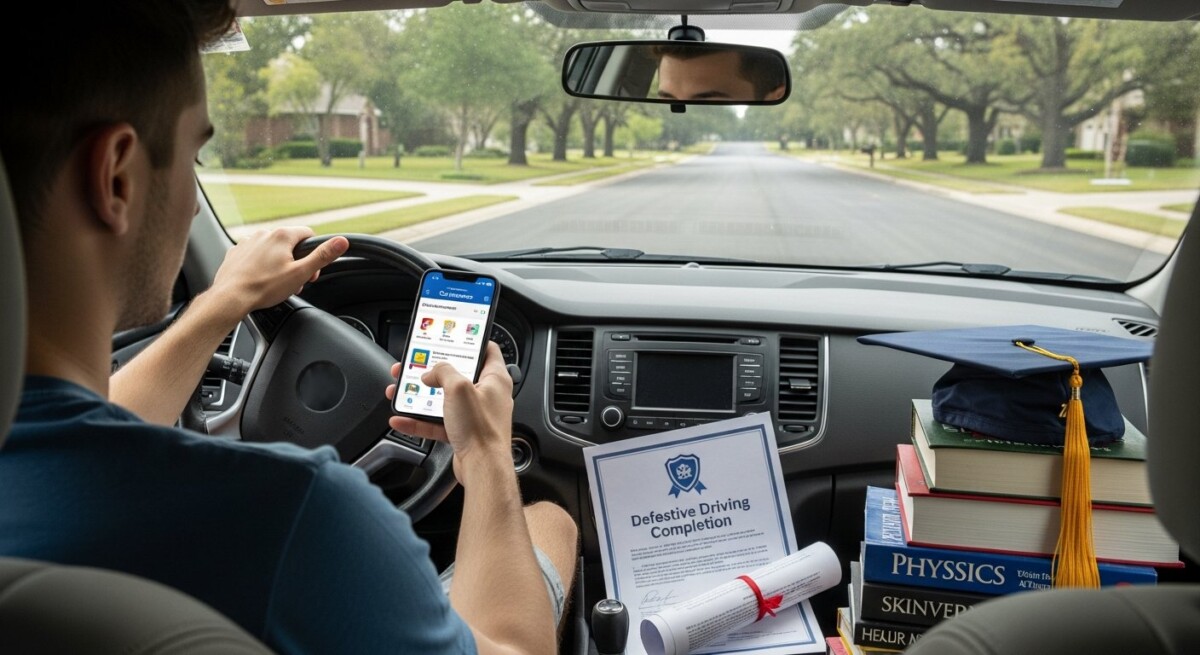
Young adults face some of the highest car insurance rates in the United States. Insurers view drivers under 25 as higher risk due to limited experience and statistically higher accident rates. However, finding affordable coverage is possible with the right strategy. This article explains how to secure the best car insurance for young adults, covering discounts, coverage options, and practical steps to lower your premium without sacrificing protection.
Why Young Adults Pay More for Car Insurance
Insurance companies use data to set rates. Statistics show that drivers aged 16 to 24 are more likely to be involved in accidents than older drivers. This risk translates into higher premiums. For example, a 20-year-old male driver might pay nearly double what a 30-year-old pays for the same policy. Factors like credit history, vehicle type, and location also affect rates. Young adults often have thin credit files or live in urban areas with higher claim rates, further increasing costs.
Understanding these factors helps you target the areas you can control. Improving your credit score, choosing a safe vehicle, and maintaining a clean driving record are all within your influence. Many insurers offer discounts specifically for young drivers who complete defensive driving courses or maintain good grades. By focusing on these levers, you can reduce your rate significantly over time.
Top Insurers for Young Adults in 2026
Several major carriers offer competitive rates and discounts tailored to younger drivers. Based on our analysis of the market, the following companies consistently rank well for affordability and customer satisfaction among young adults. Each has unique strengths, so comparing quotes from at least three is essential.
- Geico: Known for low base rates and a user-friendly mobile app. Offers discounts for good students (B average or higher) and for being a member of certain professional organizations.
- State Farm: Provides a Steer Clear program for drivers under 25 that can lower premiums after completion. Also offers a good student discount and accident forgiveness after a claim-free period.
- Progressive: Features a Name Your Price tool that lets you customize coverage to fit your budget. Their Snapshot usage-based program can reward safe driving with discounts of up to 30%.
- Allstate: Offers a Drivewise app that monitors driving habits and provides savings for safe behavior. Also has a good student discount and a new car replacement option.
It is important to note that rates vary widely by state and individual profile. For instance, a young driver in New York may find different pricing compared to one in Arizona. Use online comparison tools to see personalized quotes from these carriers and others. In our guide on Compare New York Car Insurance Quotes Online: A Complete Guide, we explain how to navigate state-specific factors.
Discounts That Make a Real Difference
Young adults often overlook discounts that can slash premiums by 10% to 25%. The key is to ask each insurer about every available discount before you buy. Some discounts require proof, so gather documents like your transcript or course completion certificate ahead of time.
- Good Student Discount: Available for full-time students under 25 who maintain a B average or higher. Savings range from 5% to 20% depending on the insurer.
- Defensive Driving Course Discount: Completing an approved course can reduce your rate for three years. Many states mandate this discount for young drivers.
- Multi-Policy Discount: Bundling your auto insurance with renters or homeowners insurance through the same company can save 10% to 15% on each policy.
- Usage-Based Insurance Discount: Programs like Progressive Snapshot or Allstate Drivewise monitor your driving via a smartphone app or device. Safe habits like smooth braking and limited nighttime driving earn discounts.
When evaluating these discounts, consider the long-term value. A usage-based program might save you money now but could raise rates if your driving data reveals risky behavior. Also, some discounts are automatic, while others require you to opt in. Always confirm which discounts apply to your policy before finalizing.
Coverage Options: What Young Adults Need
Choosing the right coverage level is a balancing act between cost and protection. Young adults often have limited savings, so carrying only state-minimum liability may leave you exposed to large out-of-pocket costs after an accident. Here is a breakdown of essential coverages for young drivers.
- Liability Insurance: Covers injuries and damage you cause to others. Most states require minimum limits, but experts recommend at least $100,000 per person and $300,000 per accident for bodily injury, plus $50,000 for property damage.
- Collision Coverage: Pays to repair or replace your vehicle after a crash, regardless of fault. If you have a car loan or lease, this is usually mandatory.
- Comprehensive Coverage: Covers non-collision events like theft, vandalism, hail, or hitting an animal. It is relatively inexpensive and protects your vehicle’s value.
- Uninsured/Underinsured Motorist Coverage: Protects you if you are hit by a driver with no insurance or insufficient limits. This is especially important for young adults who may not have personal assets to cover medical bills.
For young adults driving older vehicles that are paid off, dropping collision and comprehensive may be a smart cost-saving move. However, if your car is worth more than $4,000, keeping these coverages is usually worthwhile. Consider your monthly budget and the potential financial impact of a total loss. If you drive a hybrid or electric vehicle, coverage considerations differ. Check our Hybrid Car Insurance Rates Comparison Guide for specific advice.
How to Lower Your Premium Before You Buy
Taking proactive steps before shopping for insurance can significantly reduce your rate. Start with these actions to position yourself as a lower-risk driver.
- Improve your credit score: Insurers in most states use credit-based insurance scores. Pay down credit card balances and dispute errors on your credit report. Even a 50-point increase can lower your premium by 10%.
- Choose a safe vehicle: Cars with high safety ratings and low theft rates cost less to insure. Avoid sports cars or models with high repair costs. A used sedan like a Honda Civic or Toyota Corolla is typically affordable to insure.
- Increase your deductible: Raising your collision and comprehensive deductibles from $500 to $1,000 can reduce your premium by 10% to 20%. Just ensure you have that amount in savings for a potential claim.
- Ask about low-mileage discounts: If you drive fewer than 10,000 miles annually, some insurers offer a discount. This is common for students who live on campus or work remotely.
These steps work best when combined. For example, a young adult with good credit, a safe car, and a high deductible could see premiums drop by 30% or more compared to someone who takes no action. Remember to reassess your coverage needs annually, especially as you age into lower-risk brackets (typically after age 25).
Comparing Quotes Effectively
Getting multiple quotes is the most reliable way to find the best car insurance for young adults. However, comparing apples to apples requires careful attention. When you request quotes, provide identical coverage limits and deductibles to each company. Otherwise, a cheaper quote may reflect lower protection, not a better deal.
Use online comparison platforms that let you see rates from several insurers at once. Look for quotes that include all applicable discounts. Some insurers, like State Farm, may not offer online quotes for certain discounts, so call their agent directly. Also, check customer service ratings from J.D. Power or the Better Business Bureau. A cheap policy is worthless if the company denies your claim or takes months to process it.
If you have a family member with a clean driving record, consider adding your vehicle to their policy as a named driver. This can lower your rate because the insurer considers the primary policyholder’s experience. However, be honest about who drives the car most often. Misrepresenting this could lead to a denied claim. For families with multiple vehicles, bundling can yield further savings. Our Best Multi-Car Insurance Quotes for Atlanta Families in 2026 guide illustrates how bundling works in practice.
Common Mistakes Young Adults Make
Even savvy young drivers can fall into traps that raise their premiums. Avoiding these common errors can save you hundreds of dollars per year.
- Buying only state minimum coverage: While this is the cheapest option upfront, it leaves you vulnerable to lawsuits and out-of-pocket expenses if you cause a serious accident. Medical bills alone can exceed minimum limits quickly.
- Not shopping around at renewal: Many people stay with the same insurer for years without comparing rates. Loyalty rarely pays; you can often save by switching after a year of clean driving.
- Ignoring rental car coverage: If you frequently rent cars, adding rental reimbursement to your policy is cheaper than buying the rental company’s insurance daily.
- Letting your policy lapse: A gap in coverage of more than 30 days can cause your rates to spike by 20% or more when you reinstate. Always maintain continuous coverage.
By steering clear of these pitfalls, you build a solid insurance history that benefits you in the long run. Insurers reward consistency and responsibility. A clean record with no lapses and appropriate coverage levels positions you for lower rates as you age.
Frequently Asked Questions
Can I stay on my parents’ policy after turning 18?
Yes, many insurers allow young adults to remain on a parent’s policy as long as they live at the same address and drive the listed vehicles. This is often cheaper than getting an individual policy. However, if you move to a different state, you may need your own policy.
Does my car insurance cover me when I drive a rental?
Your personal auto policy typically extends liability coverage to rental cars, but collision and comprehensive coverage may not apply unless you added rental car coverage. Check with your insurer before renting. Credit cards sometimes offer rental car insurance as a benefit, but terms vary.
What is the best car insurance for young adults with a DUI?
A DUI conviction will raise your rates significantly, often by 50% or more. Specialized high-risk insurers like The General or Dairyland may offer coverage at a higher price. You can also take a state-approved DUI education course to potentially reduce the surcharge period.
How long does a speeding ticket affect my insurance?
Typically, a speeding ticket stays on your driving record for three to five years, depending on your state. During that time, insurers may charge higher rates. Some companies offer accident forgiveness programs that forgive the first minor violation after a certain period of clean driving.
Final Thoughts on Finding Affordable Coverage
Securing the best car insurance for young adults requires research, comparison, and proactive steps. Focus on improving your credit, choosing a safe vehicle, and leveraging discounts like good student or defensive driving. Use online tools to compare quotes from multiple insurers, and don’t hesitate to ask agents about all available savings. If you drive an electric vehicle, note that insurance costs differ from gas cars. Our Electric Car vs Gas Car Insurance: Key Differences guide explains what to expect. With the right approach, you can protect yourself financially without overpaying. For personalized assistance, call our team at 833-214-7506.