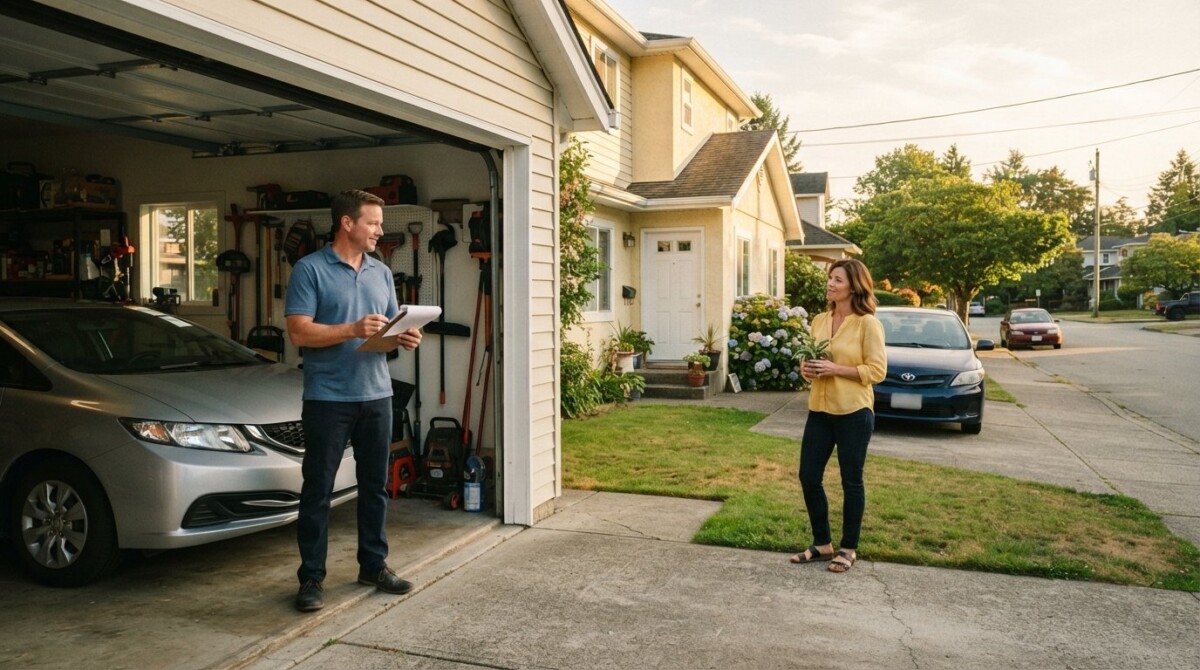
Your car sits in a driveway you rent or a garage you own, and the insurance policy covering it may be costing you hundreds more than it should. Most drivers never realize that their housing status, whether they rent an apartment or own a home, directly affects how much they pay for auto coverage and which discounts they can access. Understanding how auto insurance for renters and homeowners works, and where the two overlap, can unlock savings that many policyholders miss simply because no one explained the connection.
This guide breaks down how renters and homeowners can lower their auto premiums, why bundling is not always the answer people assume it is, and what coverage gaps deserve attention before you sign or renew a policy. Whether you are a tenant with a lease and a parking spot or a homeowner with a mortgage and a two-car garage, the strategies here apply to your situation.
Why Your Housing Status Changes Your Auto Insurance
Insurance companies price risk using dozens of data points, and where and how you live is one of them. Renters and homeowners present different risk profiles to insurers, which means the same driver with the same vehicle can receive two very different quotes depending on whether they rent or own.
Homeowners often qualify for lower auto rates because insurers view them as more financially stable and more likely to maintain their property and vehicles. Statistics consistently show that homeowners file fewer claims and pay bills more reliably than renters, so insurers reward that pattern with better pricing. Renters, on the other hand, may face slightly higher base rates in some markets, but they also have access to a different set of discounts, particularly when they combine renters insurance with auto coverage.
The property itself matters too. A homeowner with a garage pays less than a renter who parks on the street, because off-street parking reduces theft and vandalism risk. A renter in a secure apartment building with gated parking may pay less than a homeowner in a high-crime neighborhood. Insurers look at where the vehicle sleeps at night, not just who holds the deed or lease.
The Discounts Each Group Can Access
Renters and homeowners share some discounts but qualify for others that are specific to their housing situation. Knowing which ones apply to you prevents you from leaving money on the table at renewal.
- Homeowners: Multi-policy bundling with homeowners insurance, new home purchase discounts, claims-free home discounts, and loyalty credits for long-term ownership.
- Renters: Renters insurance bundling, lease-based discounts in some states, and lower liability exposure that can reduce premium in certain markets.
- Both groups: Safe driver discounts, defensive driving course credits, low-mileage discounts, and paperless billing or paid-in-full savings.
- Vehicle-specific: Anti-theft device discounts, newer vehicle safety feature credits, and garage parking discounts where applicable.
The most valuable discount for either group is usually the multi-policy bundle, but the math does not always favor combining everything with one carrier. Sometimes splitting auto and property coverage between two insurers produces a lower total premium than a bundle discount can match. Running the numbers both ways is worth the effort, especially if you have been with the same insurer for years without comparison shopping.
How Bundling Auto and Renters or Homeowners Insurance Works
Bundling means buying two or more policies from the same insurance company, usually auto plus renters or auto plus homeowners. Insurers offer bundle discounts because retaining multiple policies from one customer is more profitable than acquiring separate customers for each line. Those savings get passed along as a percentage discount on both policies, often between 5 and 25 percent depending on the carrier and state.
For homeowners, the bundle typically combines auto and homeowners insurance, and the discount applies to both premiums. For renters, the bundle combines auto and renters insurance, which is generally much cheaper than homeowners coverage but still generates a meaningful discount. A renter paying 15 dollars a month for renters insurance might see that policy effectively cost nothing after the auto discount is applied, making it one of the easiest savings wins available. If you want a closer look at how those combined policies are priced, our guide on auto insurance for renters and homeowners walks through the mechanics.
Bundling is not automatically the cheapest route, though. Some insurers price their auto policies aggressively but their property policies poorly, so the bundle discount gets wiped out by a higher base rate. The only way to know is to get quotes for each policy separately and then request the bundled quote, comparing the total cost in both scenarios. A difference of 50 to 150 dollars per year is common, and it can go either direction.
Steps to Compare Bundled and Unbundled Quotes
Getting a clear answer takes about an hour if you approach it systematically. Follow these steps to avoid the trap of assuming a bundle is always cheaper.
- Gather your current declarations pages for auto and renters or homeowners insurance so you can match coverage limits accurately.
- Request standalone quotes for auto from at least three insurers, keeping deductibles and limits identical across all quotes.
- Request standalone quotes for renters or homeowners coverage from the same three insurers.
- Ask each insurer for a bundled quote using the same coverage limits, then add the two standalone premiums and compare totals.
- Factor in any one-time discounts, such as paying in full or signing up for autopay, before making a final decision.
After you have the numbers, look beyond the first-year price. Some bundle discounts shrink after the first renewal, and some insurers apply the discount only to the auto policy, not the property policy. Ask the agent to confirm how the discount is applied and whether it persists at renewal. If the numbers are close, weigh the convenience of a single insurer and a single bill against the savings from splitting coverage.
Coverage Gaps Renters and Homeowners Often Overlook
Auto insurance and property insurance are separate policies with separate rules, and the gap between them is where costly surprises live. Many renters assume their landlord’s insurance covers their belongings, which is false. Many homeowners assume their homeowners policy covers their car in the driveway, which is also false. Understanding the boundaries prevents you from filing a claim with the wrong insurer and getting denied.
Auto insurance covers the vehicle, liability from driving, and in some cases personal belongings stolen from the car, but only up to limited sub-limits. Renters insurance covers personal property inside the rented unit, liability if someone is injured in your apartment, and loss of use if the unit becomes uninhabitable. Homeowners insurance covers the structure, personal property, liability, and additional living expenses. Neither property policy covers the car itself, and auto insurance does not cover the apartment or house.
Where Claims Get Tricky
A car break-in illustrates the overlap problem. If a laptop is stolen from your car, the auto policy’s personal property coverage may pay a small amount, often 200 dollars or less, while your renters or homeowners policy picks up the rest after the deductible. Filing with the right insurer first, or filing with both in the correct order, determines how much you actually recover. Our article on saving more on auto insurance covers similar scenarios where coordinating policies produces better outcomes.
Liability is another area where the two policies interact. If a guest is injured in your home and you also caused a car accident in the same year, separate liability limits apply to each policy. Raising liability limits on both is usually inexpensive relative to the protection it provides, and an umbrella policy can sit on top of both for additional coverage at a modest cost.
Ways to Lower Premiums Beyond Bundling
Bundling gets most of the attention, but it is only one lever. Renters and homeowners can stack several other discounts and policy adjustments to push premiums down further without cutting necessary coverage.
Raising your deductible is the fastest way to reduce premium, but it shifts more risk onto you. Moving from a 500 dollar deductible to a 1,000 dollar deductible might save 10 to 15 percent on collision and comprehensive coverage, but you need enough emergency savings to cover the higher amount if you file a claim. For renters with limited savings, a smaller deductible increase may be the safer trade-off.
Improving your credit score helps in most states, since credit-based insurance scores are a major rating factor. Paying down balances, disputing errors on your credit report, and avoiding new credit inquiries in the months before you shop for insurance can all lower your quoted rate. Similarly, maintaining a clean driving record for three to five years opens up the best rate tiers, and taking a defensive driving course can erase a ticket or qualify you for an additional discount.
- Ask about low-mileage discounts if you drive under 7,500 miles per year.
- Check whether your employer, alumni association, or professional group offers an affinity discount.
- Switch to annual payment if you can afford it, since monthly installments often carry fees.
- Review coverage annually and drop add-ons you no longer need, such as roadside assistance if you have a newer car with a manufacturer program.
Each of these adjustments is small on its own, but together they can reduce a premium by 20 to 40 percent over time. The key is to revisit them at every renewal rather than setting the policy once and forgetting it.
When to Shop for New Coverage
Certain life events create the best opportunities to reassess your auto insurance for renters and homeowners. Moving to a new address, buying a home, signing a new lease, adding a driver to the policy, or paying off a vehicle loan all change your risk profile and your discount eligibility. Insurers do not automatically apply every discount you qualify for, so a proactive review at these moments often uncovers savings.
Even without a major life change, shopping every 12 to 24 months keeps insurers honest. Loyalty does not always pay in this industry, and long-term customers sometimes pay more than new customers with identical profiles. Getting three quotes takes less than an hour online, and the difference between the highest and lowest quote for the same driver is frequently several hundred dollars per year.
If you are bundling or considering a switch, our guide on bundling auto and home coverage explains how to structure the switch so you never have a gap in coverage. And if you are weighing whether a bundle is worth it at all, our breakdown of bundle and save strategies covers the scenarios where splitting policies wins.
Frequently Asked Questions
Does renters insurance cover my car?
No. Renters insurance covers personal property inside your rented home and liability for injuries or damage that occur there, but it does not cover your vehicle. Auto insurance handles the car, and the two policies work together only in narrow situations such as theft of items from inside the vehicle.
Is it cheaper to bundle auto and renters insurance?
Usually, but not always. Bundle discounts range from 5 to 25 percent, yet some insurers price their standalone auto or renters policies so competitively that splitting coverage beats the bundle. Always compare the total cost of bundled versus separate policies before deciding.
Can I get auto insurance discounts as a homeowner without insuring my home with the same company?
Some insurers offer a homeowner discount on auto policies even when the homeowners policy is with a different carrier, but you usually need to provide proof of ownership. The discount is typically smaller than a full bundle discount, but it is still worth asking about.
What happens if I move from renting to owning during my policy term?
You should notify your auto insurer immediately, since your address change affects your rate and your eligibility for homeowner discounts. You will also need to set up homeowners insurance before closing, and coordinating the start date with your auto policy change prevents any coverage gap.
Do I need renters insurance if my landlord requires it?
If your lease requires renters insurance, you must carry it, and the requirement usually specifies minimum liability limits. Even when it is not required, renters insurance is inexpensive relative to the protection it provides and often unlocks an auto bundle discount that offsets most or all of its cost.
Getting the right combination of auto, renters, and homeowners coverage comes down to understanding how the policies interact and where the discounts overlap. Renters and homeowners face different risk profiles, different discount menus, and different coverage gaps, but both groups benefit from the same core habit: reviewing policies at every renewal and comparing quotes rather than accepting the first number an insurer offers. Spend an hour with your declarations pages, run the bundle math both ways, and ask about every discount you might qualify for. The savings are real, and they compound year after year.