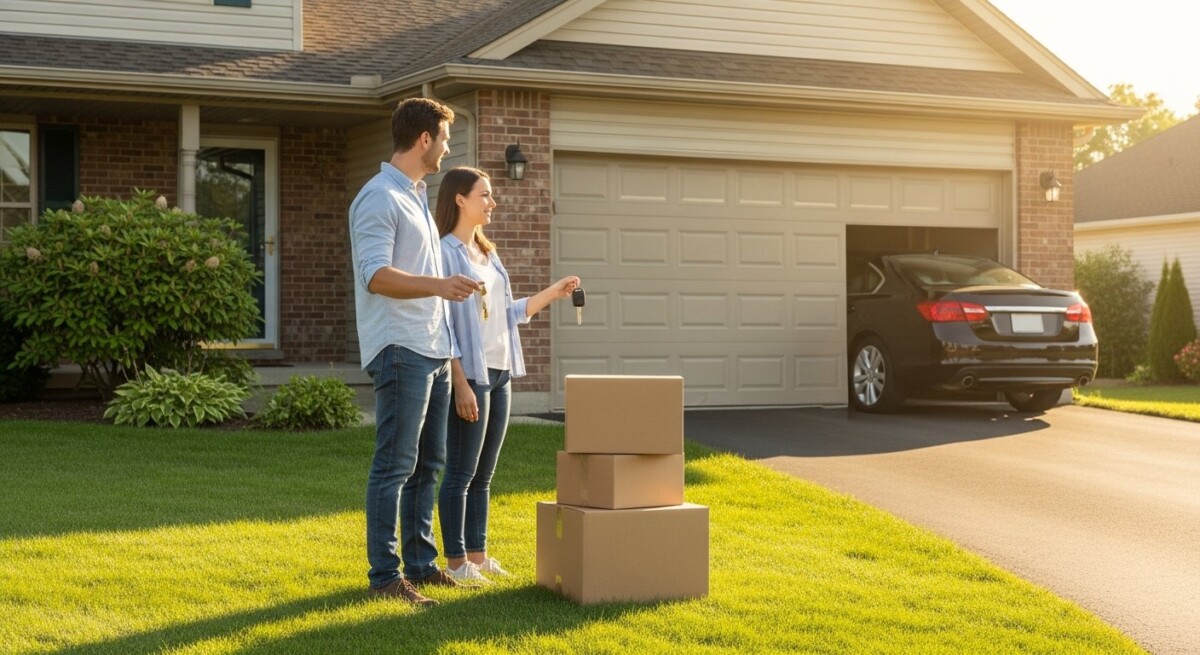
If you are a renter or a homeowner, you already know that protecting your property and your vehicle is essential. But many people overlook the connection between their auto insurance and their housing situation. The truth is that where you live, and whether you own or rent your home, directly impacts your car insurance rates and the coverage you need. Understanding this link can save you money and prevent costly gaps in protection. In this article, we will break down the specific ways auto insurance for renters and homeowners differs, how your living situation affects your premiums, and what you can do to get the best coverage for your unique circumstances.
How Your Housing Status Affects Your Auto Insurance Premiums
Your address is one of the most significant factors insurers use to calculate your premium. Whether you rent an apartment or own a single-family home, the location dictates risk levels for theft, vandalism, weather damage, and accident frequency. For example, a homeowner in a suburban area with a garage may pay less for comprehensive coverage than a renter in a dense urban area with street parking.
But there is more to it than just geography. Homeowners often have different driving patterns and risk profiles compared to renters. A homeowner might commute shorter distances or have a more predictable schedule, while a renter may live closer to work or use public transit more frequently. Insurers analyze these patterns when setting rates. Additionally, homeowners may qualify for discounts if they bundle their auto policy with a homeowners insurance policy. Renters can also bundle auto and renters insurance, which is a common strategy to reduce overall costs.
Bundling Auto and Home or Renters Insurance for Maximum Savings
One of the most effective ways to lower your insurance expenses is to bundle your auto policy with a homeowners or renters policy from the same carrier. This is often called a multi-policy discount, and it can reduce your annual premium by 10 to 25 percent depending on the insurer. For renters, bundling auto insurance with a renters policy is a smart move because renters insurance itself is relatively inexpensive, often costing only $15 to $30 per month.
Homeowners face higher property insurance costs, but the bundling discount is usually larger for them. If you own a home and have a car, combining both policies under one company simplifies billing and claims. You deal with one agent, one deductible process, and one renewal cycle. To maximize this benefit, compare quotes from multiple insurers that offer both auto and property coverage. In our guide on auto insurance for renters and homeowners: key tips, we explain how to evaluate these bundled offers without overpaying.
Coverage Gaps Renters and Homeowners Must Avoid
Many people assume their auto insurance covers personal belongings inside the car, such as a laptop or a phone. In most standard policies, personal property inside the vehicle is not covered unless you have comprehensive insurance, and even then, the coverage is limited. For renters, this is a critical gap. If your car is broken into and your laptop is stolen, your auto insurance may not pay for the laptop. That is where renters insurance steps in. Renters insurance typically covers personal property wherever you are, including inside your car.
Homeowners face a different gap. If a guest or a delivery driver is injured on your property and you are sued, your auto insurance does not respond. Your homeowners liability coverage would handle that claim. However, if you cause a car accident while driving for a ride-sharing service or as part of a home-based business, your personal auto policy might deny the claim. This overlap between auto and property insurance is where many people get caught off guard. To avoid these surprises, review both policies side by side and ask your agent about coverage extensions.
Liability Protection for Both Scenarios
Liability coverage is the backbone of any auto insurance policy, but homeowners and renters need to understand how it interacts with their property insurance. If you are a homeowner and someone slips on your icy driveway, your homeowners liability pays. If you hit that same person with your car while backing out, your auto liability pays. The two policies do not overlap, which means you need adequate limits on both. For renters, liability coverage on a renters policy is crucial if a guest is injured inside your apartment. It also protects you if your dog bites someone or if you accidentally damage a neighbor’s property.
Special Considerations for Homeowners with Multiple Vehicles
Homeowners often have two or more vehicles, which complicates their auto insurance strategy. Insuring multiple cars on one policy usually qualifies for a multi-car discount. But if you have a teenage driver in the house, the premiums can skyrocket. Homeowners with a garage or a driveway may also get discounts for keeping vehicles in a secure location overnight. Renters, especially those in apartment complexes with assigned parking, may not qualify for these discounts.
Another factor is the type of vehicle you drive. Homeowners with larger families may own SUVs or minivans, which have different insurance costs than the compact cars often driven by renters. If you have a classic car stored in your garage, you may need specialized antique auto insurance. For homeowners with a home-based business that uses a vehicle, a personal auto policy may not cover business use. You might need a commercial auto policy or an endorsement. Renters who use their car for delivery services face similar issues.
How to Compare Quotes Effectively
Whether you are a renter or a homeowner, comparing insurance quotes is the only way to ensure you are getting a fair price. Start by gathering your current declarations page for both auto and property policies. Then request quotes from at least three insurers for a bundled package. Provide the same coverage limits, deductibles, and vehicle information to each company so you can compare apples to apples.
Here are the key factors to compare when reviewing quotes:
- Coverage limits: Make sure liability limits are at least $100,000 per person and $300,000 per accident for bodily injury. Consider umbrella insurance for extra protection if you have significant assets.
- Deductibles: A higher deductible lowers your premium but increases your out-of-pocket cost if you file a claim. Choose a deductible you can afford in an emergency.
- Discounts: Look for multi-policy, good driver, safe vehicle, and loyalty discounts. Ask about discounts for paying in full or setting up automatic payments.
- Claims process: Research each insurer’s reputation for handling claims. A cheap policy is worthless if the company fights every claim.
Once you have comparable quotes, review the total cost of the bundled package versus buying auto and property insurance separately. Often the bundled price is lower, but not always. If you are a renter with a clean driving record, a standalone auto policy with a separate renters policy from a different insurer might be cheaper. Run the numbers both ways.
Understanding State Requirements and Your Lease or Mortgage
Every state has minimum liability insurance requirements for drivers, but your housing situation can impose additional requirements. Many landlords require tenants to carry renters insurance as a condition of the lease. This protects the tenant’s belongings and provides liability coverage for the landlord’s property. Homeowners with a mortgage are typically required to carry homeowners insurance, but the lender does not usually require auto insurance. However, if you have a car loan, the lender will require comprehensive and collision coverage.
Failing to maintain required coverage can lead to a lease violation or a loan default. For renters, a landlord can evict you for not having renters insurance. For homeowners, dropping homeowners coverage can trigger a forced-place insurance policy from the lender, which is much more expensive. Always check your lease or mortgage documents for insurance requirements and keep proof of coverage handy.
Frequently Asked Questions
Do I need renters insurance if I have auto insurance?
Yes, auto insurance does not cover your personal belongings or liability inside your rental unit. Renters insurance is a separate policy that covers your possessions and provides liability protection for incidents in your home. Bundling both policies can save you money.
Can homeowners insurance affect my auto insurance rates?
Indirectly, yes. Homeowners insurance does not directly change your auto rate, but bundling both with the same insurer can earn you a significant discount. Additionally, living in a home with a garage may lower your auto comprehensive premium because the car is stored in a secure location.
What happens if I move from a rental to a home I own?
You should notify your auto insurer of your new address immediately, as rates are based on location. You will also need to purchase homeowners insurance and consider bundling it with your auto policy. Your auto premium may decrease if you move to a safer neighborhood or increase if you move to a higher-risk area.
Is it worth bundling auto and renters insurance?
For most renters, yes. Renters insurance is inexpensive, and the multi-policy discount on your auto insurance often covers the cost of the renters policy itself. This means you get additional protection for little or no extra money. Compare quotes to confirm in your specific situation.
Final Thoughts on Protecting Your Assets
Your car and your home or rental are likely your most valuable assets, and the insurance policies that protect them are interconnected in ways you might not realize. By understanding how auto insurance for renters and homeowners works, you can make smarter decisions about coverage limits, deductibles, and bundling. Review your policies at least once a year, especially after a move or a major life change. For personalized help finding the right coverage, call us at 833-214-7506. You can also read our auto insurance for renters and homeowners: key tips for more strategies. Additionally, check out our 10 expert tips for getting the best deal on auto insurance to maximize your savings and learn how 1st auto insurance: lower your monthly payments now can help you reduce costs today.