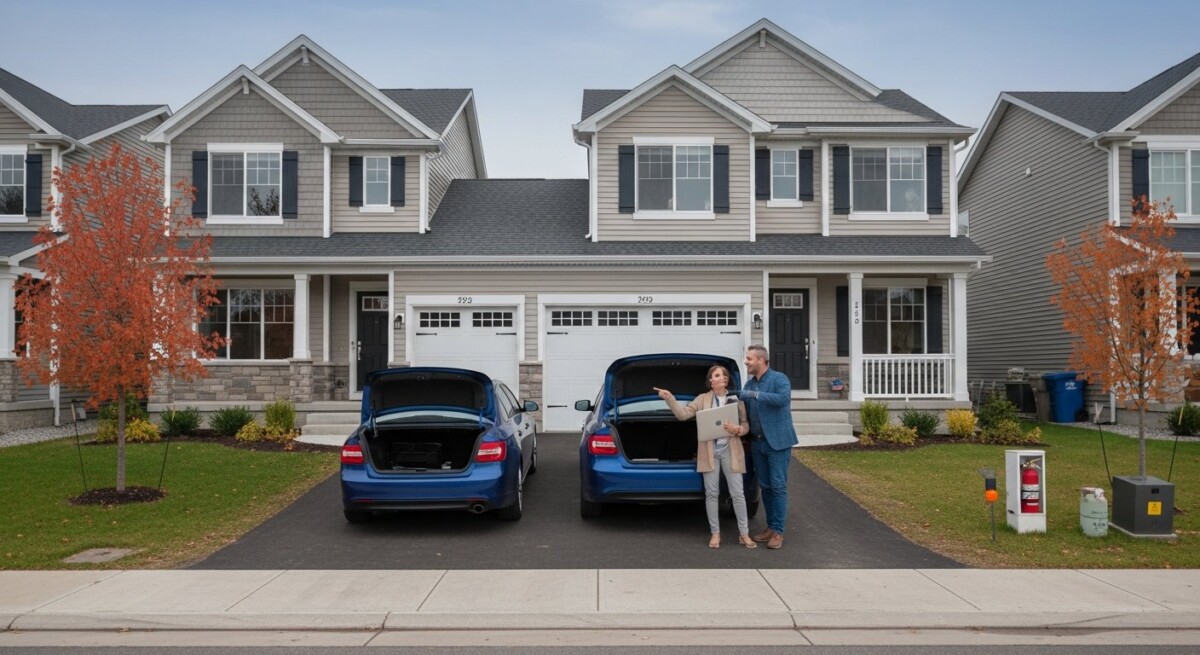
Imagine this: you have just moved into a new apartment or finally purchased your first home. You park your car on the street or in the driveway, and you feel a sense of security. But what happens if a storm damages your roof or a thief breaks into your rental unit? Many drivers assume their auto policy covers everything, but the reality is far more nuanced. Understanding how auto insurance for renters and homeowners works can save you from costly gaps and unexpected bills. This article walks through the critical differences, bundling strategies, and practical steps to protect both your vehicle and your dwelling.
Why Your Auto Policy Alone Is Not Enough
Your car insurance policy is designed to cover your vehicle, liability for accidents, and sometimes medical expenses. It does not protect your personal belongings inside the car or the structure of your home. For example, if a fire damages your apartment and your laptop and furniture are destroyed, your auto insurance will not reimburse you. Similarly, if a guest slips on your icy front steps, your homeowners or renters policy would handle the liability, not your car insurance. In our guide on auto insurance for renters and homeowners: key differences, we explain how these coverages complement each other. The bottom line is that you need both a vehicle policy and a property policy to be fully protected.
Coverage Gaps That Surprise Most People
Many policyholders discover gaps only after a claim is denied. Here are three common scenarios where auto insurance for renters and homeowners must work together:
- Personal property in the car: If someone steals your laptop from your locked car, your auto insurance typically does not cover it. Your renters or homeowners policy may cover theft of personal property, even if it happens away from home.
- Liability from a home incident: If your dog bites a neighbor in your yard, your homeowners or renters liability coverage applies. Your auto policy would not respond unless the incident involved your vehicle.
- Medical payments for guests: If a friend falls down your stairs, your medical payments coverage under a homeowners or renters policy can help. Auto insurance medical payments only apply to injuries from a car accident.
Understanding these gaps is the first step toward building a complete safety net. Without both policies, you could face thousands of dollars in out-of-pocket costs.
Bundling Auto Insurance for Renters and Homeowners
One of the most effective ways to save money and simplify your coverage is to buy both policies from the same insurer. Many companies offer a multi-policy discount when you bundle auto insurance for renters and homeowners. This discount typically ranges from 5% to 25% depending on the provider and your state. In our detailed post on bundling auto insurance for renters and homeowners, we break down the savings potential and key considerations. Bundling also means you have one agent and one billing cycle, which makes managing your policies easier. However, be sure to compare standalone quotes as well, because bundling is not always the cheapest option for every driver.
Key Differences Between Renters and Homeowners Insurance
While both renters and homeowners insurance protect your personal property and provide liability coverage, there are important differences that affect how you shop for auto insurance for renters and homeowners.
Coverage for the Structure
Homeowners insurance covers the physical structure of your house, including the roof, walls, and foundation. Renters insurance does not cover the building itself; that is the landlord’s responsibility. If you rent, your policy focuses on your personal belongings and liability only. This distinction matters when you bundle with auto insurance because the property premium for a homeowner is usually higher than for a renter.
Liability Limits
Homeowners policies often come with higher liability limits (typically $100,000 to $300,000 or more) because you own the property and face greater risk. Renters policies may offer lower limits, but you can usually increase them for a small premium. When you bundle with auto insurance, make sure your liability limits are consistent across both policies to avoid gaps.
Deductibles
Both policies allow you to choose a deductible, which is the amount you pay before insurance kicks in. For auto insurance, deductibles commonly range from $250 to $1,000. For renters or homeowners, deductibles are often $500 to $2,500. If you bundle, you may be able to set similar deductibles for simplicity, though this is not required.
How to Shop for Bundled Coverage
When you are ready to compare options, follow these steps to find the best auto insurance for renters and homeowners that fits your budget and needs.
- Gather your current policies: Pull your existing auto and renters or homeowners declarations pages. Note your coverage limits, deductibles, and current premiums.
- Identify your needs: Think about the value of your personal property, your vehicle’s value, and your risk tolerance. Do you need extra liability coverage? Do you have expensive jewelry or electronics that require a rider?
- Get quotes from multiple insurers: Request bundled quotes from at least three companies. Include both national carriers and regional insurers. Use comparison tools or call agents directly.
- Compare the total cost: Look at the combined premium for both policies. Sometimes the discount looks great on one policy but the other policy is overpriced. Always compare the total.
- Check the financial strength: Use ratings from A.M. Best or Standard & Poor’s to ensure the insurer can pay claims. A cheap bundle is worthless if the company goes bankrupt after a disaster.
Once you have a shortlist, read the fine print regarding exclusions and limits. Some policies exclude certain perils like earthquakes or floods, so you may need separate coverage for those risks.
When Bundling Might Not Be Best
Bundling is popular, but it is not a universal solution. If you have a specialized vehicle like an antique car or a motorcycle, the insurer you use for your home might not offer competitive rates for that type of vehicle. Similarly, if you have a poor driving record, bundling with a homeowners policy might lock you into higher auto rates. In our article on auto insurance for renters and homeowners: key tips, we recommend reviewing your situation annually. If your lifestyle changes, such as moving from a rental to a home or adding a teen driver, your bundling strategy should change too.
How Claims Work Across Both Policies
Understanding how claims are handled when you have both auto and property insurance is crucial. Suppose a tree falls on your car during a storm. Your auto insurance comprehensive coverage pays for the vehicle damage after your deductible. If the same tree also damages your roof, your homeowners insurance covers the structural repairs. Both claims are separate, and you will pay two deductibles unless the insurer offers a combined deductible for certain events. In our resource on bundling auto insurance for renters and homeowners, we explain how some companies allow a single deductible for storm-related claims. Always ask your agent about this feature before you buy.
Frequently Asked Questions
Can I get auto insurance without renters or homeowners insurance?
Yes, you are not legally required to have property insurance to buy auto insurance. However, if you own a home with a mortgage, your lender will require homeowners insurance. Renters insurance is not mandatory by law, but many landlords now require it in the lease. Having both policies protects you from financial disaster.
Does bundling auto and home insurance always save money?
Not always. While bundling often gives a discount, the base premium for one policy may be higher than a competitor’s standalone rate. Always compare the total cost of the bundle against buying separate policies from different insurers. Sometimes the discount is small, and you can save more by shopping each policy independently.
What happens if I move from a rental to a home?
You should notify your insurer immediately. Your renters policy will end, and you will need to replace it with a homeowners policy. If you bundle with auto insurance, the insurer can usually convert your policy without losing your multi-policy discount. Compare the new homeowners premium before committing, because the cost may be significantly higher.
Can I bundle auto insurance with a condo insurance policy?
Yes, condo insurance is similar to homeowners insurance but covers the interior of your unit and personal property. Most major insurers allow you to bundle auto insurance with a condo policy, and the same discount rules apply. Just make sure the condo policy meets your association’s minimum requirements.
Final Thoughts on Protecting Your Assets
Your car and your home or rental are two of the most valuable assets you own. Relying on just one type of insurance leaves you exposed to financial loss. By understanding how auto insurance for renters and homeowners works together, you can build a comprehensive strategy that covers your vehicle, your belongings, and your liability. Whether you choose to bundle or buy separate policies, the key is to review your coverage every year and adjust as your life changes. Call an independent agent or use a comparison tool to see how much you can save while closing dangerous gaps in your protection.