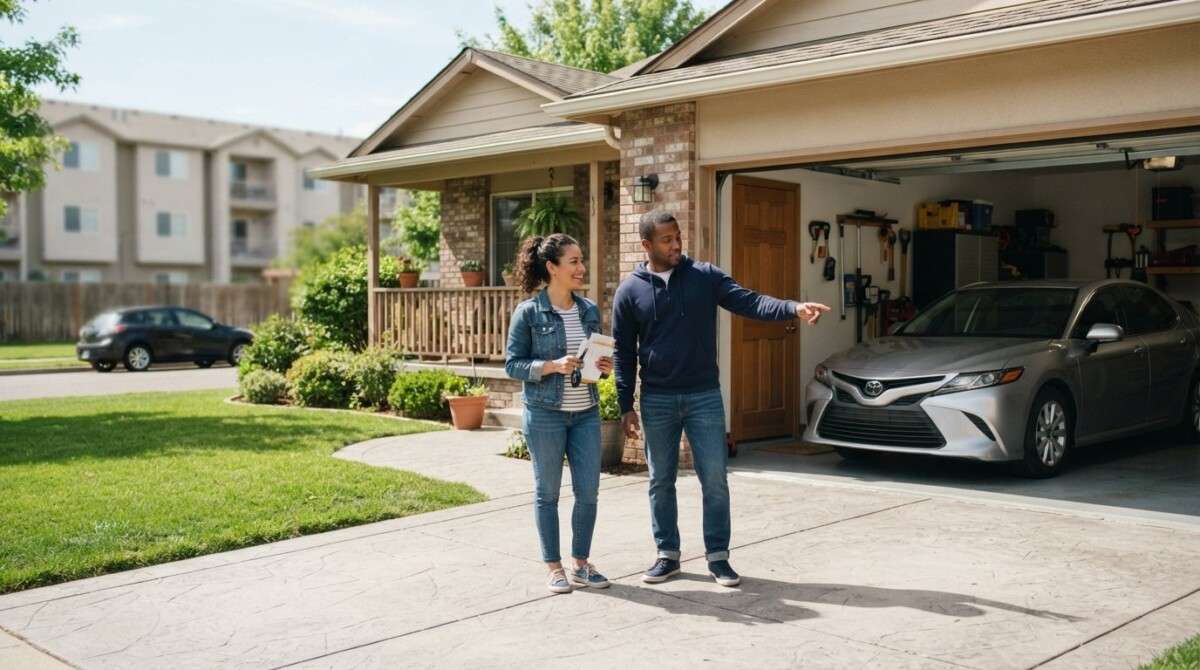
When you rent an apartment or own a house, your auto insurance might be the last thing on your mind. But your housing situation directly affects how much you pay for car coverage. Insurers look at your zip code, parking arrangements, and even your home ownership status to set rates. Understanding this connection can help you cut costs without sacrificing protection. In this guide, we will explain how renters and homeowners can leverage their living situation to secure better auto insurance deals.
Why Your Housing Status Matters for Auto Insurance
Auto insurance companies use a range of factors to determine risk. Your address tells them about local accident rates, theft statistics, and weather risks. But your status as a renter or homeowner also sends a signal about financial stability. Statistically, homeowners tend to file fewer claims and maintain continuous coverage. As a result, many insurers offer lower rates to homeowners, sometimes by 5 to 10 percent. Renters, however, are not automatically penalized. They can still find competitive quotes, especially if they have a clean driving record and good credit.
Your housing situation also affects practical aspects of your policy. For example, if you park in a garage at your own house, you pay less for comprehensive coverage because the car is safer. If you park on a busy street outside an apartment, the risk of vandalism or theft rises, which increases your premium. Understanding these dynamics helps you make informed choices about where to live and how to protect your vehicle.
In our guide on saving on auto insurance for renters and homeowners, we break down the specific discounts available to each group. For now, remember that your housing type is not a fixed penalty. It is one of many variables that you can manage with the right strategy.
Key Differences Between Renters and Homeowners Coverage
Auto insurance itself does not differ between renters and homeowners. The policy structure is the same: liability, collision, comprehensive, uninsured motorist, and medical payments. The difference lies in how insurers price these coverages and what additional discounts you can stack.
Homeowners often qualify for a multi-policy discount by bundling their home insurance with auto insurance. This can save 10 to 25 percent on both policies. Renters can also bundle their renters insurance with auto coverage, even though renters insurance is much cheaper. Many people overlook this because they think renters insurance is optional. But a renters policy costs only about $15 to $30 per month, and bundling can lower your auto premium by a similar amount, effectively making the renters insurance nearly free.
Another difference is the claims history. Homeowners who file frequent home insurance claims may see their auto rates rise because insurers view them as riskier. Renters with no home claims have a clean slate. However, renters who have lapsed auto coverage due to moving may face higher rates, as continuous coverage is a key rating factor.
Bundling: The Most Powerful Discount
Bundling your auto and property insurance is one of the easiest ways to save. If you own a home, you almost certainly have homeowners insurance. If you rent, you should have renters insurance, even if it is not required. By combining both policies with the same carrier, you unlock a substantial discount.
For example, let us say your annual auto premium is $1,200. A 15 percent bundling discount saves you $180 per year. Your renters policy might cost $240 per year, but with the bundling discount on the auto side, you are effectively paying only $60 for renters coverage. That is a smart financial move. Homeowners see even larger savings because their home insurance premium is higher, and the discount applies to both policies.
In our detailed analysis of smart bundling for renters and homeowners, we show how to compare bundled quotes against separate policies to ensure you are getting the best deal. But the general rule is simple: always get a bundled quote before you finalize any single policy.
How to Get the Best Auto Insurance Rates as a Renter or Homeowner
Getting the best rate requires a proactive approach. Here are the steps you should take, whether you rent or own:
- Shop around every six to twelve months. Insurance rates change frequently, and you can often find a better deal by switching carriers.
- Ask about every discount you qualify for, including safe driver, low mileage, good student, anti-theft, and paperless discounts.
- Consider raising your deductible. A higher deductible lowers your premium, but make sure you can afford the out-of-pocket cost if you file a claim.
- Maintain continuous coverage. Even a short lapse can increase your rates by 10 to 20 percent.
- Bundle your auto policy with your renters or homeowners insurance, as discussed above.
After you complete these steps, you should also review your coverage limits. You do not want to over-insure an older car with collision and comprehensive if the car is worth only a few thousand dollars. Conversely, you need adequate liability coverage to protect your assets. Homeowners have more assets to protect, so they often need higher liability limits. Renters may not need as much, but they should still carry enough to cover a lawsuit.
Another factor is credit score. In most states, insurers use credit-based insurance scores to set rates. A good credit score can lower your premium significantly. Renters who are building credit should focus on improving their score because it can reduce their auto insurance costs over time. Homeowners often have higher credit scores due to mortgage history, which gives them an advantage.
Special Considerations for Homeowners
Homeowners have unique opportunities to save on auto insurance beyond bundling. For instance, if you have a home security system, some insurers offer a discount on your home policy, which indirectly helps your bundling discount. More importantly, homeowners can often negotiate better rates because they have more insurance needs. They can leverage the competition between carriers for their home and auto business.
If you have a home-based business, you might need additional coverage on your auto policy if you use your car for business purposes. Standard personal auto policies do not cover commercial use. You may need a commercial auto endorsement or a separate policy. This is a common oversight for freelancers and small business owners who work from home.
Homeowners also need to think about liability. If someone is injured on your property, your homeowners insurance covers it, but if the injury is related to your car, such as a delivery driver slipping on your driveway, the auto policy might be involved. Understanding these overlaps prevents coverage gaps. For more details on how homeowners can maximize savings, see our article on key savings strategies for renters and homeowners.
Special Considerations for Renters
Renters face different challenges. You may move frequently, which means your auto insurance rates can change with each new address. When you move, always notify your insurer. A move to a safer neighborhood could lower your premium, while a move to a high-crime area could raise it. You can also adjust your coverage based on your parking situation. If you move from street parking to a secured garage, you might reduce your comprehensive premium.
Renters often skip renters insurance because it is not legally required. But many landlords now require it, and even if they do not, it is a wise purchase. Renters insurance covers your personal belongings and provides liability protection. Plus, bundling it with your auto insurance can save you money on both policies. In fact, the savings on your auto policy might offset the cost of the renters policy completely.
If you are a renter with a roommate, you might wonder if you can share a renters policy. Usually, each person should have their own policy, especially if you are not related. However, you can still bundle each person’s auto insurance with their respective renters policy from the same insurer, which might unlock a multi-policy discount for each of you.
Common Mistakes to Avoid
Both renters and homeowners make avoidable mistakes when buying auto insurance. One common error is assuming that your landlord’s insurance covers your car. It does not. Your landlord’s policy covers the building, not your personal property or your vehicle. Similarly, your homeowners insurance does not cover your car. Auto insurance is separate and mandatory in nearly every state.
Another mistake is choosing the cheapest policy without checking the financial strength of the insurer. A low premium is useless if the company cannot pay claims. Check ratings from AM Best or J.D. Power before you commit. Also, do not forget to review your policy annually. Life changes, such as getting married, buying a home, or moving, can affect your rates and coverage needs.
Finally, do not wait until your policy renews to shop around. You can switch carriers at any time, and you will receive a pro-rated refund for the unused portion of your old policy. That means you can take advantage of a better rate immediately.
Frequently Asked Questions
Can renters get the same auto insurance discounts as homeowners?
Yes, most discounts apply to everyone, such as safe driver, good student, and low mileage discounts. The main difference is the multi-policy discount. Homeowners can bundle with their home insurance, while renters bundle with renters insurance. Both can save a similar percentage, but the absolute dollar amount may be lower for renters because renters insurance is cheaper.
Does owning a home lower my auto insurance rate?
Generally, yes. Insurers view homeowners as more stable and less likely to file fraudulent claims. However, the discount is not automatic. You need to ask for it, and it often comes through bundling. Some carriers offer a separate “homeowner discount” even without a bundle, so always inquire.
What if I rent but do not have renters insurance?
You can still get auto insurance, but you will miss out on the bundling discount. You might also pay slightly higher rates because you lack a property policy. Consider purchasing a renters policy even if your landlord does not require it. It is inexpensive and can save you money on auto insurance in the long run.
Is it better to bundle or buy separately?
Bundling is usually cheaper, but not always. You should compare the total cost of a bundled policy against the sum of two separate policies from different carriers. Sometimes, a standalone auto insurer offers such a low rate that bundling does not beat it. Use an independent comparison tool or consult with an agent to find the best deal.
Final Thoughts on Auto Insurance for Renters and Homeowners
Your housing situation is a powerful lever in reducing your auto insurance costs. Whether you rent or own, you can take advantage of bundling, maintain continuous coverage, and shop around regularly. Homeowners should leverage their home insurance to unlock multi-policy discounts, while renters should consider renters insurance as a budgeting tool rather than an unnecessary expense.
Remember, the goal is not to buy the cheapest policy, but to find the best value for your coverage needs. Compare quotes, ask about discounts, and review your policy at least once a year. If you are unsure about the right coverage for your situation, speak with a licensed insurance agent who can guide you. They can also help you explore bundling options that you might not have considered.
For a deeper dive into the question of bundling, read our article on whether renters and homeowners can bundle auto insurance. And if you are ready to see potential savings in action, contact us at 833-214-7506. Our team can connect you with agents who specialize in tailoring auto insurance for renters and homeowners. The right policy is out there, and with a little effort, you can drive with confidence and keep more money in your pocket.