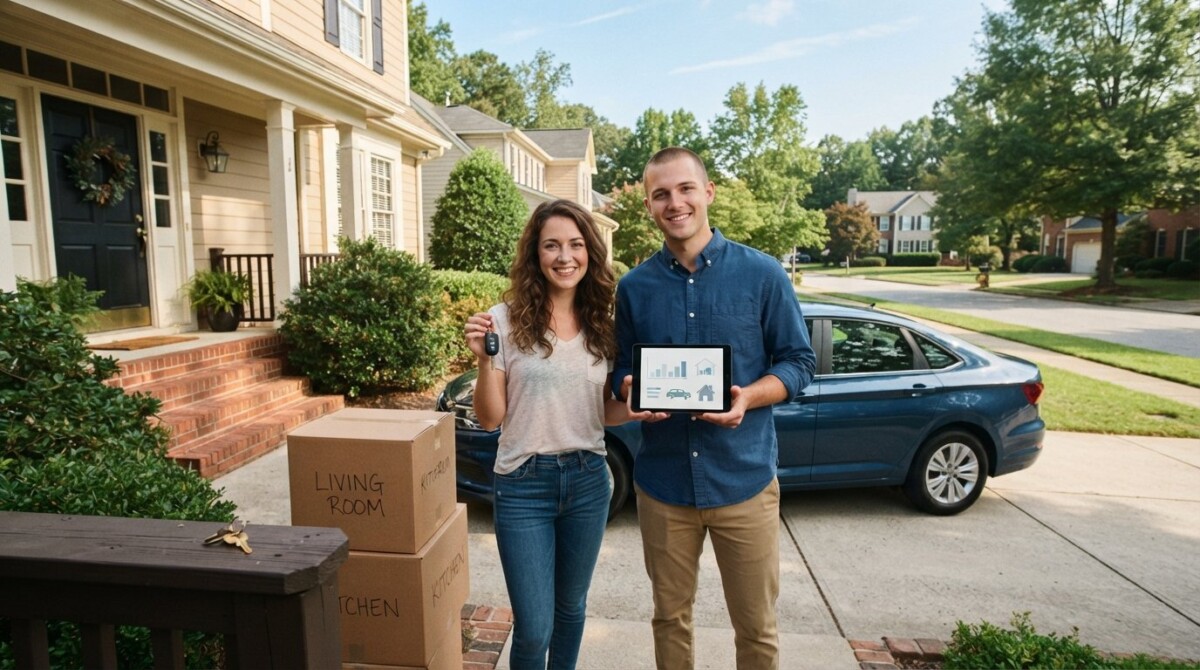
When you rent an apartment or own a house, you already know that protecting your belongings and property matters. But did you know that your auto insurance strategy can directly affect how much you pay for your renters or homeowners policy? Bundling these coverages with the same insurer often unlocks discounts and simplifies your finances, yet many drivers overlook this opportunity. In fact, combining your car insurance with your dwelling coverage can save you hundreds of dollars each year, while also making it easier to manage claims and renewals. This guide explores how auto insurance for renters and homeowners works, why bundling is a powerful tool, and how to choose the right approach for your situation.
Whether you are a first-time renter or a long-time homeowner, understanding the interaction between your auto policy and your property coverage is essential. Many people assume that these policies operate independently, but they are deeply connected in the eyes of insurers. A single provider that handles both your car and your home can reward you with loyalty discounts, streamlined customer service, and even better coverage options. However, bundling is not always the best choice for everyone. You need to weigh the potential savings against the flexibility of separate policies, especially if you have a unique driving record or a high-value home. Let us break down the key factors so you can make an informed decision.
How Bundling Auto and Property Insurance Works
Bundling refers to purchasing two or more insurance policies from the same company, most commonly auto and homeowners or renters insurance. Insurers incentivize this practice because it increases customer retention and reduces administrative costs. When you bundle, you typically receive a multi-policy discount, which can range from 5% to 25% depending on the carrier and your state. For example, if you pay $1,200 annually for auto insurance and $800 for renters insurance, a 15% bundle discount could save you $300 per year. Over five years, that adds up to a significant amount.
The mechanics are straightforward: you contact an insurer or an agent, request quotes for both your auto and property coverage, and then ask for a bundled rate. The insurer combines the policies under one account, often with a single renewal date and one customer service portal. This arrangement simplifies bill payments and reduces paperwork. Moreover, if you ever need to file a claim, you only interact with one company, which can be less stressful than coordinating between two separate insurers.
However, bundling is not automatically the cheapest option. Sometimes, an independent insurer offers a lower auto rate but does not provide renters coverage, or vice versa. In such cases, you might save more by keeping policies separate. Therefore, you should always compare bundled quotes against standalone quotes from different providers. As highlighted in our smart bundling guide, the key is to calculate the total cost of ownership, not just the discount percentage.
Renters Insurance and Auto Coverage: A Natural Pair
If you rent an apartment or a house, you might think that your landlord’s insurance covers your belongings. That is a common misconception. Your landlord’s policy covers the building structure, but not your personal property, liability, or additional living expenses if a fire or other disaster forces you out. Renters insurance fills that gap, and it is surprisingly affordable, often costing between $15 and $30 per month. When you combine it with your auto policy, you can often get a discount on both, making renters insurance nearly a no-brainer.
Consider a scenario where you are a renter with a car. You already pay for auto insurance, and you know that carrying renters insurance protects your laptop, furniture, and clothing. By bundling, you might reduce your annual auto premium by $100 and your renters premium by $50, saving $150 in total. That is money you could put toward an emergency fund or a vacation. Furthermore, having renters insurance can provide liability coverage if a guest is injured in your apartment, which is a benefit that many renters overlook.
For those who want to dive deeper into the specifics, our article on renters and homeowners auto insurance bundling tips offers actionable advice on how to negotiate better rates and avoid common pitfalls. One important tip is to ask about accident forgiveness or vanishing deductibles, which some insurers include when you bundle.
Homeowners Insurance and Auto: Protecting Your Biggest Assets
Homeowners insurance is more complex than renters insurance because it covers the structure of your home, detached structures like a garage, personal property, liability, and additional living expenses. The average cost of homeowners insurance in the U.S. is around $1,200 per year, but it varies widely based on location, home value, and coverage limits. Pairing this with your auto insurance can lead to substantial savings, especially if you have multiple vehicles or a clean driving record.
For example, a homeowner with two cars and a $300,000 dwelling policy might receive a 20% discount on both the auto and home portions when bundling. That could translate to $400 in annual savings. Additionally, some insurers offer a claims-free discount if you have no claims on either policy for a certain period. This encourages safe driving and responsible home maintenance.
Yet, bundling is not always ideal for homeowners with unique risks, such as living in a flood zone or owning an antique car. In such cases, you might need a specialized insurer for one policy, making a bundle impossible. As we discuss in our bundling guide, you should always assess whether the discount outweighs the potential loss of specialized coverage. For instance, if your standard auto insurer does not offer agreed value coverage for your classic car, you might choose a separate classic car insurer, even if it means losing a bundle discount.
Key Factors to Compare Before Bundling
Before you decide to bundle, you should evaluate several factors to ensure that you are getting the best value. Here are the most important ones to consider:
- Discount size: Ask each insurer for the exact percentage or dollar amount of the multi-policy discount. Compare this against the difference in standalone premiums.
- Coverage limits: Ensure that the bundled policy offers the same or better coverage limits than your current policies. Do not sacrifice coverage just to save money.
- Claims process: Research how the insurer handles claims for both auto and property. A single claims department might be convenient, but it could also lead to longer wait times during peak seasons.
- Customer service: Read reviews about the insurer’s responsiveness and support. A low premium is not worth poor service when you need to file a claim.
- Policy flexibility: Some insurers allow you to adjust coverage mid-term without penalties. Others may lock you into an annual term. Choose one that aligns with your future plans.
These factors are crucial because a bundle is a long-term commitment. Once you combine policies, switching insurers later can be more complicated, especially if you have an active claim or a policy term that is not yet expired. Therefore, take your time to compare quotes from at least three different insurers. Use online comparison tools or consult an independent agent who can quote from multiple carriers. Our article on how to bundle auto insurance for renters and homeowners provides a step-by-step approach to this process, including how to read policy documents and what questions to ask agents.
Potential Downsides of Bundling
While bundling offers many benefits, it is not without drawbacks. One major downside is that you might become complacent about shopping for better rates. Once you bundle, you may be less likely to compare prices each year, leading to gradual premium increases that you do not notice. To avoid this, set an annual reminder to review your policies and request quotes from competitors.
Another issue is that bundling can create a single point of failure. If you have a dispute with your insurer over an auto claim, that same insurer handles your homeowners policy. In a worst-case scenario, the insurer could non-renew both policies, leaving you scrambling for coverage. However, this is rare and only happens with severe issues like fraud or non-payment. Still, it is wise to maintain a good relationship with your insurer and keep your policies in good standing.
Additionally, some renters might find that a standalone renters policy from a specialty insurer offers better coverage for high-value items like jewelry or collectibles. Standard renters policies often have sub-limits on such items, so you may need an endorsement or a separate floater. If you bundle with an auto insurer that does not offer these endorsements, you might have to purchase a separate policy anyway, negating the convenience.
How to Maximize Your Savings When Bundling
To get the most out of bundling, you should not simply accept the first quote you receive. Instead, use these strategies to lower your premiums further:
- Increase your deductibles: Raising your auto collision deductible from $500 to $1,000 can reduce your premium by 10-20%. Doing the same for your homeowners deductible can yield similar savings. Just ensure you have enough in savings to cover the deductible if you file a claim.
- Ask about additional discounts: Many insurers offer discounts for safe driving, anti-theft devices, paperless billing, and paying annually. Mention these when requesting a quote.
- Maintain a good credit score: Insurers use credit-based insurance scores in most states. A higher score often leads to lower premiums. Check your credit report regularly and correct any errors.
- Bundle multiple vehicles: If you have more than one car, adding them to the same policy usually triggers a multi-vehicle discount. When you also have a home or renters policy, the combined discount can be substantial.
- Review your coverage annually: Your insurance needs change over time. For example, if you pay off your car, you might drop collision coverage on an older vehicle. Similarly, if you renovate your home, you may need to increase your dwelling coverage.
By implementing these strategies, you can often reduce your total insurance costs by 15% to 30% compared to having separate policies from different carriers. For example, a driver who bundles a $1,000 auto policy with a $500 renters policy might receive a 20% discount, bringing the total to $1,200 instead of $1,500. Over ten years, that is a savings of $3,000, which could fund a major home repair or a new car down payment.
Frequently Asked Questions
Is bundling auto and renters insurance worth it?
Yes, in most cases. Bundling typically saves you money through multi-policy discounts, and it simplifies management by keeping all your policies with one insurer. However, you should always compare bundled quotes against standalone quotes to ensure you are not overpaying. For renters, the savings can be particularly attractive because renters insurance is already inexpensive, and the bundle discount often makes it even more affordable.
Can I bundle auto insurance with a renters policy if I have a roommate?
Yes, but only if the renters policy covers both of you. Some insurers allow named insureds to share a renters policy, but you must disclose all residents. If your roommate has their own auto policy, they might not receive a bundle discount unless they are also listed on the renters policy. It is best to discuss your living arrangement with an agent to determine the optimal structure.
What happens if I move from renting to owning a home?
When you buy a home, you will need to replace your renters policy with a homeowners policy. If you already bundle your auto with your renters insurance, the transition is seamless. Your insurer will issue a new homeowners policy and adjust your bundle discount accordingly. Be sure to notify your insurer of the change at least a month before closing to avoid a coverage gap.
Does bundling affect my auto insurance claim?
No, bundling does not change how claims are processed. Each policy is independent under the same carrier. If you file an auto claim, it will not affect your homeowners premium unless you have a history of multiple claims. However, having both policies with one insurer can make it easier to coordinate claims if a single event (like a storm) damages both your car and your home.
Can I get a discount without bundling?
Some insurers offer loyalty discounts for holding multiple policies, but the most common way to get a multi-policy discount is through bundling. If you prefer separate insurers, you might miss out on that discount. However, you can still save by shopping around, raising deductibles, and taking advantage of other discounts like safe driver or defensive driving courses.
Make the Right Choice for Your Coverage
Ultimately, the decision to bundle auto insurance with renters or homeowners insurance depends on your individual circumstances. For most drivers, bundling offers a convenient way to save money and reduce hassle. But it is not a one-size-fits-all solution. You need to evaluate your coverage needs, compare quotes, and consider your long-term plans. If you are in the market for a new policy, take the time to get multiple quotes and ask about all available discounts. And remember, the cheapest policy is not always the best if it lacks essential coverage.
To get personalized advice and compare rates from licensed agents, call us at 833-214-7506. Our team can help you find the right balance between cost and protection, whether you are a renter looking to bundle for the first time or a homeowner seeking to optimize your existing policies. With the right approach, you can enjoy peace of mind knowing that both your vehicle and your dwelling are protected without breaking the bank.