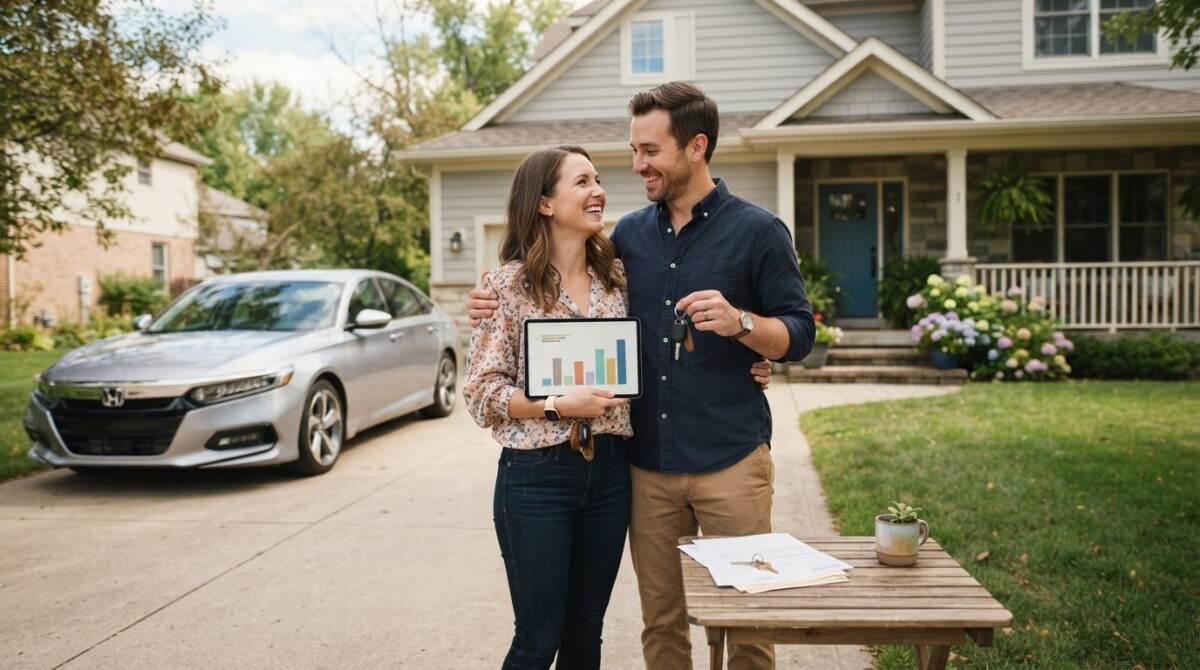
Renting an apartment or owning a house changes more than where you hang your hat. It also changes how you buy auto insurance, often in ways that surprise people. Many drivers do not realize that their housing situation can unlock discounts, reshape coverage needs, and even affect their liability exposure. Whether you live in a studio with roommates or a sprawling suburban home, your auto policy is tied to your home in practical and financial ways. Understanding this connection can lower your premiums and prevent costly gaps in protection.
The most common mistake is treating auto and home insurance as separate, unrelated purchases. In reality, insurers reward customers who combine them. But the benefits go beyond a simple discount. Your homeowners or renters policy can influence your car insurance deductibles, liability limits, and even your eligibility for certain coverage options. By taking a holistic view of your insurance portfolio, you can make smarter decisions that protect your assets and your daily driving life.
This article explains how auto insurance for renters and homeowners works, where the savings come from, and how to avoid common pitfalls. You will also learn how to structure your policies for maximum protection, whether you own a home or lease an apartment. By the end, you will know exactly what to ask your agent and how to compare quotes with confidence.
Why Your Housing Status Affects Your Auto Insurance Rate
Insurance companies use a variety of factors to price auto policies, and your housing status is one of them. It is not an accident that homeowners often receive lower car insurance rates than renters. Insurers view homeownership as a marker of financial stability, which statistically correlates with fewer claims and safer driving behavior. Homeowners also have more to lose, which makes them more cautious behind the wheel.
Renters, on the other hand, sometimes face slightly higher auto insurance premiums because they are perceived as more mobile or less established. However, this does not mean renters are out of luck. Many insurers offer comparable discounts to renters who also buy renters insurance from the same company. In fact, the act of bundling itself often matters more than whether you own or rent.
Beyond pricing, your housing situation can affect the type of coverage you need. For example, if you own a home, your auto liability limits should align with your home equity and other assets. If you rent, your personal liability exposure may be lower, but you still need adequate protection to cover medical bills and legal fees after an at-fault accident. A good rule of thumb is to carry enough liability insurance to cover your net worth plus future earnings potential.
The Power of Bundling Auto and Home or Renters Insurance
Bundling is the single most effective way to save on both policies. When you purchase auto and homeowners or renters insurance from the same carrier, insurers typically offer a multi-policy discount. This discount can range from 5% to 25% on each policy, depending on the company and your state. Over time, these savings add up to hundreds of dollars per year.
But bundling is not just about the discount. It simplifies your insurance life. One company, one bill, one app, and one agent for all your coverage. If you need to file a claim, a single adjuster can handle both your car damage and your home or renters claim, which speeds up the process and reduces confusion.
Bundling also gives you negotiating power. When you have multiple policies with an insurer, you are a more valuable customer. This can help you secure better customer service, faster claims handling, and even additional perks like accident forgiveness or vanishing deductibles. Before you renew any policy, request a quote for a bundle and compare it against your current standalone costs.
For a deeper look at how to maximize these savings, check out our guide on auto insurance for renters and homeowners: key savings. It covers specific discount strategies and real-world examples.
Coverage Considerations for Homeowners
If you own a home, your auto insurance should work hand in hand with your homeowners policy. The most important link is liability coverage. If you cause a car accident and are sued, your auto liability limits will pay for the other party’s injuries and property damage. If those limits are too low, your personal assets, including your home, could be at risk.
Many homeowners carry $100,000 or $300,000 in auto liability, but that may not be enough if your home has significant equity. A single serious accident can result in a judgment exceeding $500,000. To protect your house and savings, consider raising your auto liability limits or purchasing an umbrella policy. An umbrella policy provides extra liability coverage above your auto and home policies, and it is surprisingly affordable, often less than $200 per year for $1 million in coverage.
Another consideration is your auto insurance deductible. If you have a high deductible on your car insurance, you might be tempted to file a claim on your homeowners policy for a minor accident. Avoid this. Homeowners claims can raise your rates and even lead to non-renewal. Instead, set deductibles that you can comfortably pay out of pocket, and use your auto policy only for true emergencies.
Homeowners also benefit from bundling with the same insurer that provides their auto coverage. This can lead to additional savings on both policies, as well as simpler claims if a storm damages both your home and your car in the same event.
Coverage Considerations for Renters
Renters often overlook the importance of renters insurance, especially when it comes to auto insurance. While renters insurance is not required by law, many landlords now mandate it. And even if your landlord does not require it, renters insurance is cheap, usually $15 to $30 per month, and it covers your personal belongings, liability, and additional living expenses if your apartment becomes uninhabitable.
From an auto insurance perspective, renters insurance can help you in unexpected ways. For example, if your car is broken into and your laptop or other personal items are stolen, your auto policy may cover the car damage, but not the stolen laptop. That is where renters insurance steps in. It covers your personal property no matter where it is, including inside your car. Without renters insurance, you would have to pay to replace those items yourself.
Renters also have a unique opportunity to save by bundling. Many insurers offer a multi-policy discount for combining auto and renters insurance, even though the renters policy is relatively inexpensive. This discount can reduce your auto premium by 5% to 15%, making the renters policy nearly free.
If you are a renter, be sure to ask your agent about bundling. You might be surprised at how much you can save. For more detailed strategies, read our article on auto insurance for renters and homeowners: how to save.
How to Compare Bundled Quotes Effectively
When you are ready to shop for auto and home or renters insurance, you need a systematic approach. Start by gathering your current declarations pages and a list of your coverage limits. Then, request quotes from at least three different insurers. Be sure to ask for the same coverage limits and deductibles so you can make an apples-to-apples comparison.
Here are the key steps to compare bundled quotes efficiently:
- List your auto coverage needs, including liability, comprehensive, collision, and uninsured motorist coverage.
- Identify your home or renters coverage needs, such as dwelling, personal property, and liability.
- Request quotes for the bundle and ask for a breakdown of discounts.
- Compare the total premium, not just the auto portion.
- Review each insurer’s financial strength and customer service ratings.
Following these steps will help you see the true cost of each bundle. Remember that the cheapest option is not always the best. A slightly higher premium may be worth it if the insurer has a better claims reputation or offers additional perks like accident forgiveness.
Also, do not forget to ask about other discounts you may qualify for, such as safe driver, low mileage, or anti-theft device discounts. When combined with bundling, these discounts can significantly lower your premium.
Potential Pitfalls to Avoid When Bundling
Bundling is a great way to save, but it is not without risks. One common mistake is assuming that all insurers offer the same bundling discount. In reality, the discount can vary widely, and sometimes it is not enough to offset a higher base premium. Always compare the bundle price against the sum of two standalone policies from different insurers.
Another pitfall is ignoring the impact of claims on your bundle. If you file a claim on your home or renters policy, your auto insurance rate could increase as well, because the insurer sees you as a higher-risk customer. Conversely, a clean claims history on both policies can earn you additional loyalty discounts over time.
Finally, do not overlook the importance of coverage limits. Bundling can create a false sense of security if you simply accept the minimum required coverage to get the discount. Make sure your liability limits are adequate for your net worth and driving habits. If you are unsure, ask an agent to explain the recommended limits for your situation.
For more insights into saving on both policies together, visit our resource on auto insurance for renters and homeowners: key savings.
Frequently Asked Questions
Is bundling auto and renters insurance worth it?
Yes, bundling auto and renters insurance is almost always worth it. The multi-policy discount can lower your auto premium, and the cost of renters insurance is often offset by the savings. Even if the discount is only 5%, it can be more than the price of the renters policy itself, making it a no-brainer.
Can I bundle auto and home insurance if I have a mortgage?
Absolutely. In fact, your mortgage lender may require you to have homeowners insurance, so you need it anyway. Bundling with your auto insurer is a smart way to meet that requirement and save money at the same time.
What happens if I move from renting to owning a home?
When you move from renting to owning, your insurance needs change. You will need to replace your renters policy with homeowners insurance, and you should review your auto liability limits to ensure they are sufficient to protect your new asset. Be sure to contact your insurer to update your policy and ask about any new discounts.
Does homeownership really lower auto insurance rates?
Yes, many insurers offer lower auto rates to homeowners because they are statistically less likely to file claims. This is not a universal rule, but it is common. Renters can still get great rates by bundling and maintaining a clean driving record.
Final Thoughts on Combining Your Policies
Auto insurance for renters and homeowners is not a one-size-fits-all product. Your housing situation, assets, and risk tolerance all play a role in determining the right coverage. The key is to view your insurance as a portfolio, not a collection of separate policies. By bundling your auto and home or renters insurance, you can save money, simplify your life, and ensure you have consistent protection across all areas.
Start by reviewing your current policies and obtaining bundle quotes from multiple insurers. Compare the total cost, coverage limits, and discounts. Do not be afraid to negotiate or ask for additional savings. And always read the fine print to understand how claims and rate changes might affect your bundle.
If you are ready to take action, use our side-by-side comparison of renters and homeowners: how to save on auto insurance to see real-world examples and pricing scenarios. Then, contact a licensed agent to get personalized quotes and find the best bundle for your needs.
Your insurance decisions today can save you thousands over the life of your policies. Take the time to understand the relationship between your auto and home coverage, and you will drive away with both peace of mind and a lower premium.