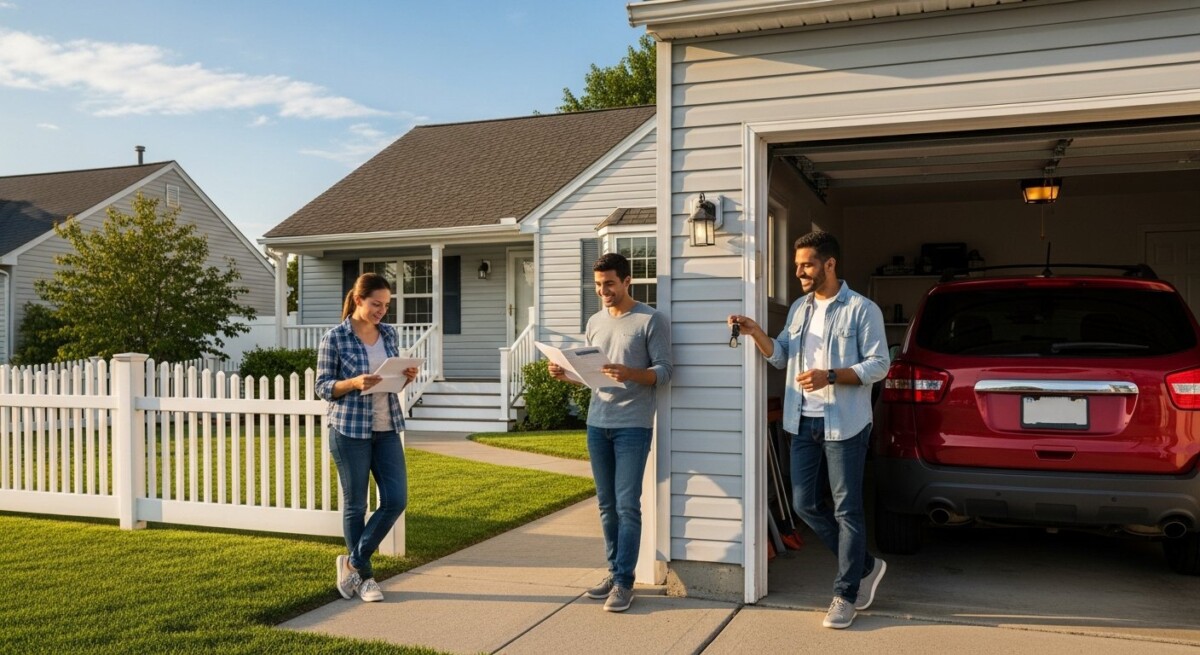
When you rent an apartment or own a house, your auto insurance might not be the first thing on your mind. Yet the place you live can change your car insurance rates, coverage needs, and even your financial risk in ways that surprise many drivers. Whether you are a renter with a compact car or a homeowner with a family SUV, understanding how your housing situation interacts with your auto policy can save you money and prevent headaches after an accident. This article explains the connections between your residence and your car coverage, so you can make informed decisions without overpaying.
Many people assume auto insurance is a standalone product, but insurers look at your zip code, parking situation, and even your homeownership status when calculating premiums. Renters often face different risks than homeowners, such as street parking or shared lots, while homeowners might have driveways, garages, and higher liability exposure due to property ownership. These factors influence your policy, but there are also ways to bundle or adjust coverage to fit your life. In this guide, we break down what renters and homeowners need to know about auto insurance, including discounts, gaps, and smart strategies to maximize your protection.
Why Your Housing Status Matters for Auto Insurance
Your living situation is more than just an address on your policy. Insurers use it to assess risk, and that risk directly shapes your premium. For renters, living in a multi-unit building often means your car is parked in a shared lot or on a busy street. That increases the chance of theft, vandalism, or accidental bumps, which can push your rates higher. Homeowners, on the other hand, typically have a private driveway or garage, which lowers those risks and may earn them discounts.
But housing status also affects your liability picture. Homeowners carry more assets, such as the house itself and personal property, so they usually need higher liability limits to protect those assets in a lawsuit. Renters have fewer assets, but they still face risks if they cause an accident that injures someone or damages property. Insurers consider this when recommending coverage levels, so a renter might feel comfortable with minimum liability, while a homeowner should consider an umbrella policy.
Another angle is the bundling opportunity. Many insurance companies offer discounts when you combine auto insurance with renters or homeowners insurance. According to industry data, bundling can save drivers up to 25 percent on both policies. This is one of the simplest ways to reduce costs, yet many people miss it because they buy policies separately. In our guide on auto insurance for renters and homeowners: key tips, we outline how bundling works and when it makes sense.
Key Differences Between Renters and Homeowners Auto Coverage
The core auto insurance coverages, such as liability, collision, and comprehensive, are the same for renters and homeowners. However, the way those coverages are used and the limits you choose often differ based on your housing situation. Let us compare the primary differences so you know what to ask your agent.
- Liability limits: Homeowners typically need higher limits (e.g., $100,000/$300,000 or more) to protect home equity, while renters might choose lower limits if they have fewer assets, but that can be risky.
- Comprehensive and collision: If you park on a street as a renter, comprehensive coverage is more important to guard against theft or vandalism. Homeowners with garages might skip it on older cars.
- Bundling discounts: Homeowners can bundle auto with homeowners insurance, while renters can bundle with renters insurance, often at a similar discount.
- Usage-based factors: Homeowners who work from home or have a garage may drive less, qualifying for low-mileage discounts, while renters in urban areas might face higher rates due to traffic density.
These differences mean that a one-size-fits-all approach rarely works. For example, a renter in a city with a new car might need full coverage to satisfy a lease agreement, while a homeowner with an older second car might drop collision to save money. The key is to assess your personal risk and asset exposure, not just follow a generic recommendation. If you want a deeper breakdown, check our article on renters and homeowners auto insurance: coverage fit, which explains how to tailor your policy.
How Moving or Changing Your Housing Status Affects Your Policy
Moving from an apartment to a house, or vice versa, is a major life event that should trigger a review of your auto insurance. Many drivers forget to update their policy after a move, which can lead to gaps in coverage or missed discounts. For example, moving to a suburb with a lower crime rate often reduces your comprehensive premium, while moving to a dense urban area might raise it. Failing to report a move can also void your policy if you file a claim at an unreported address.
When you change your housing status, you also change your bundling options. A renter who becomes a homeowner can now bundle auto with homeowners insurance, which is often more valuable than bundling with renters insurance. Conversely, a homeowner who becomes a renter might need to switch to renters insurance to maintain a bundle. It is wise to compare quotes after any move, because rates can shift by hundreds of dollars per year based on location alone. Our guide on auto insurance for renters and homeowners: what changes covers the exact steps to update your policy and avoid common pitfalls.
Another critical factor is your parking situation. If you move from a garage to street parking, your comprehensive coverage becomes more essential. If you move from street parking to a garage, you might consider raising your deductible since the risk is lower. Always inform your insurer about your parking arrangement, because it directly affects your rate. A simple call to your agent can save you from an unpleasant surprise at renewal.
Bundling Auto Insurance with Renters or Homeowners Insurance
Bundling is one of the most effective ways to save money on both your auto and property insurance. Insurance companies reward loyalty and the convenience of having multiple policies with one provider. When you bundle, you often get a discount of 10 to 25 percent on each policy, which can translate into hundreds of dollars in annual savings. For renters, bundling auto with renters insurance is a smart move because renters insurance is relatively inexpensive, and the bundle discount often makes the renters policy nearly free.
For homeowners, the savings are even more significant because homeowners insurance premiums are higher. A 20 percent discount on a $1,200 annual homeowners policy is $240, plus the same percentage off your auto policy. Over time, that adds up. However, bundling is not always the best choice if your current auto insurer has poor customer service or limited coverage options. Before bundling, compare standalone quotes to see if the discount is worth the switch. Our article on auto insurance for renters and homeowners: key differences includes a checklist to evaluate bundle offers.
Another benefit of bundling is simplified management. You have one bill, one agent, and one renewal date, which reduces the chance of a lapse in coverage. If you file a claim, the process might be smoother because you are a multi-policy customer, which can lead to better service. Some insurers even offer accident forgiveness or vanishing deductibles for long-term bundlers. Just remember to review your bundle annually, because rates change and you might find a better deal elsewhere.
Coverage Gaps That Renters and Homeowners Often Miss
Even with a solid auto policy, there are gaps that can leave you financially exposed. One common gap is the lack of uninsured/underinsured motorist coverage. If you are a renter with minimum liability limits, you might skip this coverage to save money, but it protects you if a driver without insurance hits you. In many states, uninsured motorist coverage is optional, yet it costs only a few dollars a month. For both renters and homeowners, this coverage is a safety net that can pay for medical bills and lost wages.
Another gap is the absence of rental reimbursement coverage. If your car is in the shop after an accident, your auto policy may not cover a rental car unless you add this endorsement. Renters who rely on their car for commuting often need this coverage, while homeowners with a second vehicle might skip it. The cost is modest, usually $20 to $40 per year, and it can save you from expensive out-of-pocket rental fees.
Homeowners also face a unique gap: liability protection for incidents that involve both auto and home. For example, if a guest is injured on your property and later sues, your homeowners insurance covers it, but if the injury happens in your driveway involving your car, the claim might fall under auto insurance. This gray area is why having both policies with adequate liability limits is crucial. Our detailed guide on auto insurance for renters and homeowners: key tips offers a gap analysis framework to identify what you might be missing.
How to Save on Auto Insurance as a Renter or Homeowner
Saving money on auto insurance is not about choosing the cheapest policy, but about maximizing discounts and tailoring coverage to your needs. Here are practical steps that work for both renters and homeowners.
- Shop around annually: Rates change, so compare quotes from at least three insurers every year. Use online comparison tools to see where you stand.
- Increase your deductible: Raising your collision and comprehensive deductible from $500 to $1,000 can lower your premium by 10 to 20 percent. Just make sure you have that amount in savings.
- Ask about all discounts: Insurers offer discounts for safe driving, low mileage, anti-theft devices, and even being a loyal customer. Ask your agent to list every discount you might qualify for.
- Maintain a good credit score: In most states, insurers use credit-based insurance scores to set rates. Paying bills on time and reducing debt can lower your premium.
After applying these steps, review your policy to ensure you are not underinsured. For example, if you are a homeowner with a $300,000 mortgage, you might need higher liability limits than a renter with no property. Balancing savings with adequate protection is the key to long-term financial security.
Frequently Asked Questions
Do I need renters insurance to get a discount on auto insurance?
Not necessarily, but bundling auto with renters insurance often triggers a multi-policy discount. Some insurers offer a discount for having renters insurance even if you buy it from a different company, but the best savings usually come from bundling with the same provider. Check with your auto insurer to see what discounts are available for renters.
Can I bundle auto insurance with homeowners insurance if I rent?
No, you cannot bundle auto with homeowners insurance if you do not own a home. However, you can bundle auto with renters insurance, which is a similar product designed for tenants. Renters insurance covers your personal property and liability, and the bundle discount applies the same way.
Does moving to a new address affect my auto insurance rate immediately?
Yes, your premium can change as soon as you update your address. Insurers use your location to assess risk, including crime rates, traffic density, and weather patterns. You should notify your insurer before or immediately after a move to avoid a lapse in coverage and to ensure your rate reflects your new situation.
What is the minimum liability coverage I need as a homeowner?
While minimums vary by state, homeowners should consider higher liability limits, such as $100,000 per person and $300,000 per accident, to protect their assets. An umbrella policy can add another $1 million in coverage for a relatively low cost. Renters might choose lower limits, but they still face lawsuit risks, so it is wise to discuss your assets with an agent.
Final Thoughts on Auto Insurance for Renters and Homeowners
Your housing situation has a direct impact on your auto insurance, from the discounts you can claim to the coverage levels you need. As a renter, you can save by bundling with renters insurance and maintaining comprehensive coverage if you park on the street. As a homeowner, you should prioritize higher liability limits and take advantage of bundling with homeowners insurance. The best way to protect yourself is to review your policy annually and compare quotes from multiple insurers.
Remember that auto insurance for renters and homeowners is not a static product. Life changes, such as moving, buying a home, or adding a driver, should trigger a policy review. By staying proactive, you can avoid gaps and save money. For personalized guidance, consider speaking with a licensed agent who can explain your options based on your specific situation. With the right coverage, you can drive with confidence no matter where you live.