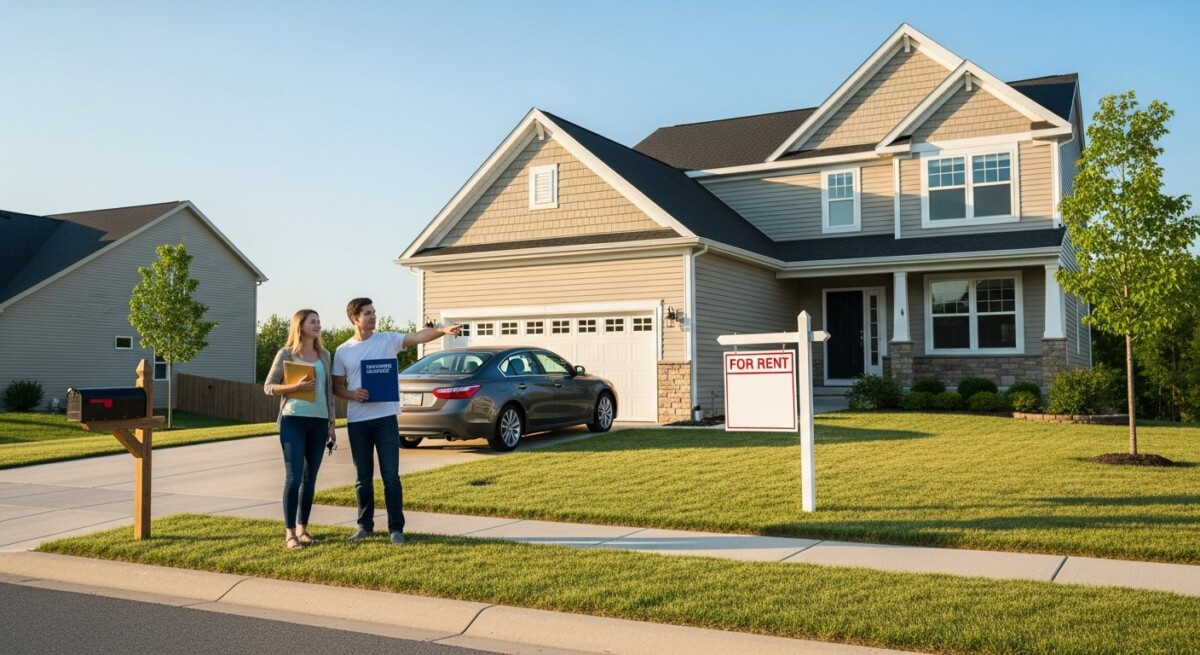
When you think about auto insurance, you probably focus on your car, your driving record, and the state minimum requirements. But where you live, whether you rent an apartment or own a house, can have a surprising impact on your car insurance rates and coverage needs. Many drivers overlook the connection between their housing situation and their auto policy, which can lead to missed discounts or uncovered gaps. Understanding how auto insurance for renters and homeowners interacts with your living situation helps you build a smarter, more complete protection plan for both your vehicle and your personal property.
How Your Housing Status Affects Auto Insurance Premiums
Insurance companies evaluate risk based on a variety of factors, and your housing type is one of them. Homeowners often receive lower auto insurance rates than renters, but not always. The reason comes down to stability and risk perception. Homeowners tend to stay in one place longer, which insurers view as a sign of financial responsibility and lower likelihood of lapses in coverage. Renters, on the other hand, may move more frequently, which can introduce administrative errors and gaps in insurance that increase risk.
Additionally, homeowners who bundle their auto policy with a homeowners insurance policy often qualify for a multi-policy discount. This discount can reduce both premiums by 10 to 25 percent depending on the carrier. Renters can also bundle renters insurance with auto insurance to receive a similar discount, but the savings are typically smaller because renters insurance premiums are lower overall. If you are a renter, combining your auto policy with a renters policy is still a smart financial move that can lower your costs and simplify bill management.
Coverage Gaps When You Rent Versus Own
The type of coverage you need does not change dramatically based on whether you rent or own a home, but some nuances matter. For example, if you own a home, your personal liability umbrella may extend to your auto policy, providing additional protection in the event of a serious accident. Homeowners often have more assets to protect, such as equity in their house, which makes higher liability limits on their auto insurance more important.
Renters typically have fewer assets, but they still need adequate liability coverage. A common mistake renters make is choosing state minimum liability limits to save money. If you cause an accident that results in medical bills or property damage beyond those limits, you could face wage garnishment or legal judgments. Renters should consider at least 100/300/50 coverage (100,000 dollars per person for injuries, 300,000 dollars per accident, and 50,000 dollars for property damage) to protect their future earnings and savings.
Personal Property Protection for Your Vehicle and Belongings
Your auto insurance covers your car, but what about items inside your car? If you are a renter, your renters insurance may cover personal property stolen from your vehicle up to a certain limit. Homeowners insurance also covers personal property, but deductibles and sub-limits apply. For example, if a laptop is stolen from your car, your homeowners or renters policy typically covers it, not your auto policy. Understanding this distinction prevents double coverage and ensures you file the correct claim.
If you live in an area with high rates of vehicle break-ins, consider adding comprehensive coverage to your auto policy. Comprehensive covers theft of the vehicle itself and damage from vandalism, but not personal items inside the car. To protect those items, review your renters or homeowners policy limits and consider a scheduled personal property endorsement for high-value items like laptops, cameras, or tools.
Bundling Strategies for Maximum Savings
One of the most effective ways to reduce your overall insurance costs is to bundle your auto policy with your renters or homeowners policy. Most major insurers offer a multi-policy discount that can save you hundreds of dollars annually. The key is to shop around and compare quotes from multiple companies, because discount percentages vary widely.
Here are three bundling strategies to consider:
- Start with your auto policy first. Get a competitive auto insurance quote, then ask the same provider for a renters or homeowners quote. Bundling discounts are often calculated on the auto side, so starting there can lock in savings.
- Check for loyalty discounts. Some insurers offer additional discounts for customers who have been with them for multiple years, which can stack on top of bundling discounts.
- Re-bundle every two years. Insurance rates change, and your bundling discount may no longer be competitive. Every two years, request new quotes from your current insurer and two competitors to ensure you are still getting the best deal.
Bundling also simplifies your insurance management. Instead of juggling two separate bills and renewal dates, you have one provider and one payment. This reduces the chance of accidental lapses in coverage, which can negatively impact your credit-based insurance score.
Liability Risks and Umbrella Policies for Renters and Homeowners
Liability coverage is the backbone of any auto insurance policy, but your housing situation can influence how much liability you need. Homeowners face greater exposure because a lawsuit could target their home equity. Renters have less equity exposure but still have future wages and savings at risk. An umbrella policy, which provides one million dollars or more in additional liability coverage, is a cost-effective solution for both groups.
For homeowners, an umbrella policy typically requires you to carry certain minimum liability limits on both your auto and homeowners policies. For renters, the same principle applies. The umbrella policy kicks in after your auto or renters liability limits are exhausted. Premiums for a one million dollar umbrella policy often cost between 150 and 300 dollars per year, making it an affordable safety net for anyone with assets to protect.
If you are a renter with a high net worth or a homeowner with substantial equity, an umbrella policy is a wise investment. In our guide on 1st auto insurance, we explain how to evaluate your total asset exposure and choose appropriate liability limits.
Credit Scores and Insurance: The Rental Factor
Your credit score plays a significant role in determining your auto insurance premium in most states. Homeowners tend to have higher credit scores on average, which can lead to lower rates. Renters, especially younger renters or those with limited credit history, may face higher premiums. However, you can improve your insurance score by paying bills on time, reducing credit utilization, and disputing errors on your credit report.
Some states prohibit insurers from using credit scores to set rates. If you live in California, Hawaii, Massachusetts, or Michigan, your credit score will not affect your auto insurance premium. For everyone else, improving your credit can directly reduce your car insurance costs. Renters who are building credit should focus on maintaining a clean payment history and avoiding excessive debt.
If you have a low credit score, you still have options. Some insurers specialize in providing coverage for drivers with poor credit. Check out our article on 5 best auto insurance for bad credit drivers in 2026 for carriers that offer competitive rates despite lower credit scores.
Discounts You May Be Missing Based on Your Housing
Many auto insurance discounts are tied directly to your housing situation. Homeowners and renters alike can take advantage of these savings opportunities if they know where to look.
Common housing-related discounts include:
- Multi-policy discount. Bundling auto with homeowners or renters insurance.
- Security device discount. If your home has a monitored alarm system, some insurers extend a small discount to your auto policy.
- Gated community discount. Living in a community with a security gate can lower theft and vandalism risk, leading to a lower comprehensive premium.
- Garaging discount. If you park your car in a garage (attached to your home or a separate structure), you may qualify for a lower rate because the vehicle is less exposed to weather damage and theft.
Ask your insurance agent specifically about these discounts. Not all carriers advertise them, but they are widely available. If you are a homeowner, you may also qualify for a new home discount if your house was built within the last five years, as newer homes often have better electrical and plumbing systems that reduce fire risk.
When to Update Your Auto Insurance After Moving
Moving to a new home, whether you are renting or buying, triggers a need to review your auto insurance policy. Your new location may have different crime rates, traffic patterns, and weather risks that affect your premium. For example, moving from a rural area to a dense urban city can increase your rates due to higher accident frequency and theft rates. Conversely, moving to a suburb with lower crime can reduce your premium.
You should update your auto insurance within 30 days of moving. Provide your insurer with your new garaging address (where you park the car overnight). If you fail to update your address, you risk having a claim denied if the insurer determines you misrepresented your risk. Additionally, your new state may have different minimum coverage requirements. For instance, moving from a no-fault state to a tort state changes how claims are handled.
For more detailed guidance on navigating these changes, see our article on auto insurance for renters and homeowners: key tips, which covers state-specific requirements and moving checklists.
Renters Insurance vs. Homeowners Insurance: What Your Auto Policy Does Not Cover
A common misconception is that auto insurance covers everything related to your car. In reality, auto insurance only covers the vehicle itself, liability for damages you cause to others, and medical payments for injuries sustained in a car accident. It does not cover damage to your personal belongings inside the car, nor does it cover liability for incidents that occur inside your home, such as a guest slipping on your floor.
Renters insurance fills these gaps by covering personal property, liability for incidents in your rental unit, and additional living expenses if your home becomes uninhabitable. Homeowners insurance covers the structure of your home, personal property, and liability. Without either policy, you are exposed to financial losses that your auto policy will not pay.
If you are a renter, the cost of renters insurance is typically 15 to 30 dollars per month. This small investment protects thousands of dollars in personal property and provides liability coverage that can prevent a lawsuit from wiping out your savings. Homeowners insurance costs more, but it is often required by mortgage lenders and is essential for protecting your largest asset.
For expert advice on getting the best deal on both your auto and home policies, read our guide on 10 expert tips for getting the best deal on auto insurance.
Frequently Asked Questions
Can I bundle auto insurance with renters insurance from different companies?
No, bundling requires you to have both policies with the same insurance company. However, you can still get separate quotes and compare the total cost of two separate policies versus a bundled policy. Sometimes the bundling discount is not large enough to justify staying with one carrier if another offers significantly cheaper standalone rates.
Does my auto insurance cover my car if it is parked in my garage?
Yes, your auto comprehensive coverage protects your car against damage from fire, theft, vandalism, and weather events while it is parked in your garage. However, if your home is damaged in a fire or flood, your homeowners insurance covers the structure, while your auto insurance covers the vehicle. You will need to file two separate claims.
Will my rates increase if I switch from renting to owning a home?
Not necessarily. Your auto insurance rates are based on your driving record, location, and credit score, not directly on whether you own a home. However, if you move to a different neighborhood or city, your rates may change. Many homeowners see lower rates over time because they bundle policies and maintain stable addresses.
What happens to my auto insurance if I move to a state with different minimum requirements?
You must update your policy to meet the new state’s minimum liability limits within a reasonable time, usually 30 to 60 days. Your insurer may automatically adjust your coverage if they operate in that state. If they do not, you will need to shop for a new carrier. Failure to comply can result in fines and license suspension.
Final Thoughts on Aligning Your Auto and Housing Insurance
Your auto insurance does not exist in a vacuum. It works best when coordinated with your renters or homeowners policy to create a complete safety net for your finances and lifestyle. By bundling policies, taking advantage of housing-related discounts, and understanding the coverage boundaries between auto and property insurance, you can save money and close gaps that could otherwise lead to devastating out-of-pocket costs. Review your policies at least once a year and after any major life change, such as a move or a home purchase. For personalized assistance and to compare quotes from licensed agents, call 833-214-7506.