When you move from renting an apartment to owning a home, your auto insurance needs often shift in ways you might not expect. Many drivers assume their car policy remains static, but changes in housing can affect coverage requirements, discounts, and liability exposure. Understanding how auto insurance for renters and homeowners differs helps you avoid gaps and overpaying. This guide breaks down the critical distinctions, practical steps to adjust your policy, and how bundling policies can save you money. Whether you are a first-time homebuyer or a long-term renter, the following insights will help you make informed decisions about your coverage.
How Your Housing Status Affects Auto Insurance Premiums
Your living situation directly influences your auto insurance rates, though the connection is not always obvious. Insurance companies use credit-based insurance scores, which are often higher for homeowners due to financial stability. Homeownership typically signals lower risk to insurers, leading to lower premiums. Renters, especially those who move frequently, may face slightly higher rates because frequent address changes correlate with increased claim frequency.
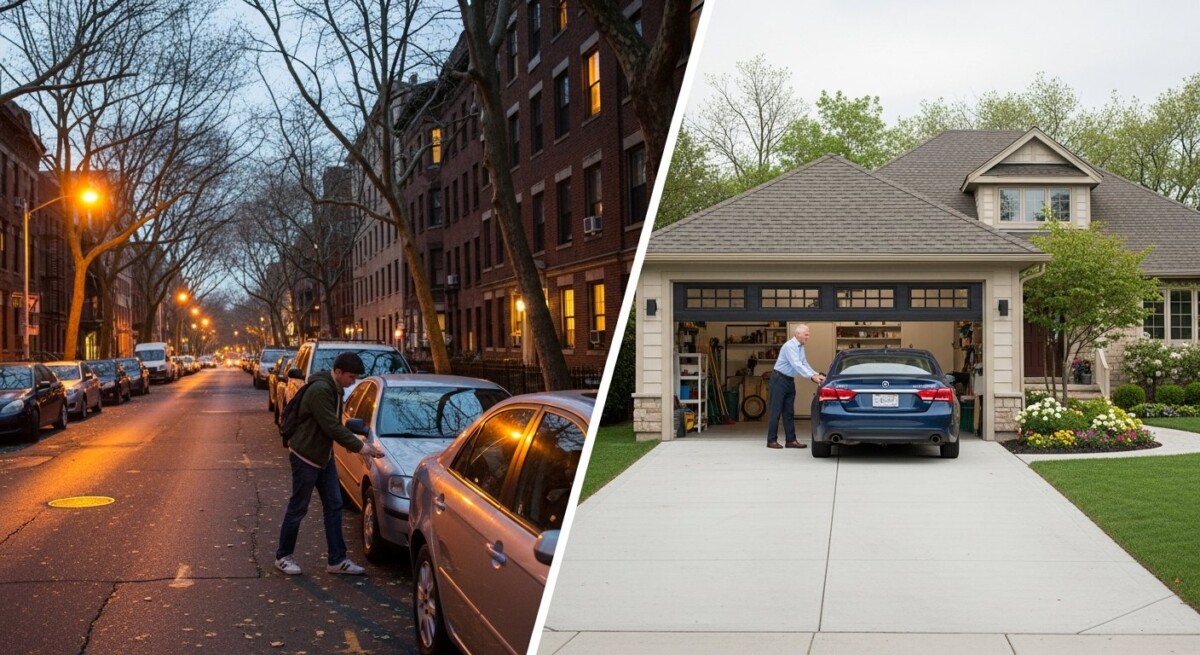
Additionally, garaging address matters. If you park your car in a secure garage versus a street in a dense urban area, your rates reflect that risk. Homeowners with driveways or garages often pay less than renters who park on the street. However, renters in suburban complexes with reserved parking may also qualify for discounts. The key is updating your insurer whenever your housing situation changes, since an outdated address can lead to incorrect pricing or even claim denial.
For those living in states with unique rating factors, like Texas auto insurance plans or Tennessee auto insurance plans, local regulations may further influence how housing affects rates. Always check with a licensed agent to see what specific variables apply in your state.
Coverage Gaps When Moving from Renter to Homeowner
Transitioning from renting to owning a home introduces new liability risks that your auto policy alone cannot cover. As a homeowner, you are responsible for injuries or property damage that occur on your property, not just on the road. While homeowners insurance handles premises liability, your auto insurance covers vehicle-related incidents. However, there is overlap when accidents involve both property and vehicles, such as a visitor slipping on your driveway and then being hit by your car. In these cases, coordination between policies becomes critical.
Renters often carry lower liability limits on their auto policies because they assume less personal exposure. Homeowners, on the other hand, should consider increasing their auto liability limits to protect assets like the house itself. Umbrella insurance is a smart addition for homeowners, providing extra liability coverage above both auto and home policies. Renters with significant savings or investments may also benefit from umbrella coverage, but it is especially crucial for property owners.
Another often overlooked gap is personal property coverage for items inside your vehicle. Renters insurance usually covers belongings stolen from your car, but homeowners insurance may have different sub-limits for electronics or tools. Review both policies to ensure your laptop, work equipment, or sports gear is protected regardless of where the loss occurs.
Bundling Auto and Home Insurance for Maximum Savings
One of the most effective ways to reduce overall insurance costs is bundling your auto and home or renters policies with the same carrier. Insurers offer multi-policy discounts that can slash premiums by 10% to 25% or more. This discount applies whether you own a home or rent, making it accessible to everyone.
Consider this example: a renter paying $1,200 annually for auto insurance and $180 for renters insurance might save $200 per year by bundling. A homeowner with a $1,500 auto policy and $1,200 homeowners policy could save $400 or more. The savings often offset the cost of increasing coverage limits, allowing you to strengthen protection without raising your budget.
Before bundling, compare standalone quotes from other carriers. Sometimes bundling discounts are not as competitive as two separate policies from different companies. Use an independent comparison tool or speak with an agent who can show you multiple quotes side by side. If you already have a policy, ask your current insurer about their multi-policy discount and whether adding renters or homeowners insurance qualifies.
Liability Considerations for Renters vs. Homeowners
Liability coverage is the backbone of any auto insurance policy, but the amount you need depends partly on your housing situation. Homeowners have more assets to protect, including the equity in their home, which can be targeted in a lawsuit after a serious car accident. Standard auto liability limits of $25,000 per person and $50,000 per accident may be insufficient if you own a home worth $300,000. A single lawsuit could exceed those limits, putting your house at risk.
Renters typically have fewer assets, but they are not immune to lawsuits. If you cause an accident that results in severe injuries, your future wages and savings could be garnished. Regardless of housing status, many experts recommend carrying at least $100,000 per person and $300,000 per accident in liability coverage, plus an umbrella policy for added protection.
When comparing auto insurance for renters and homeowners, remember that homeowners often qualify for higher liability discounts due to perceived stability. However, renters can still access competitive rates by maintaining good credit, taking defensive driving courses, and choosing higher deductibles. Always reassess your liability limits after major life events like buying a home, getting married, or starting a business.
Special Discounts Available to Homeowners and Renters
Insurance companies offer a variety of discounts that tie directly to your housing situation. Homeowners may qualify for discounts based on home security systems, new roof, or fire-resistant construction. Renters can receive discounts for installing smoke detectors, deadbolt locks, or living in a gated community. Both groups can benefit from the following:
- Multi-policy discount: Bundling auto with renters or homeowners insurance.
- Paid-in-full discount: Paying your annual premium upfront instead of monthly installments.
- Paperless billing discount: Opting for electronic statements and communications.
- Loyalty discount: Staying with the same insurer for multiple years.
- Claims-free discount: Maintaining a clean driving and claims history.
These discounts can add up significantly. For example, a homeowner who bundles, pays annually, and goes paperless might save 30% or more compared to a renter with separate policies who pays monthly. However, discounts vary by insurer and state, so always ask your agent for a full list of available savings. Some discounts, like a good student discount for young drivers, are independent of housing status but still worth pursuing.
If you are moving to a state with unique insurance regulations, such as South Dakota auto insurance plans, check whether local insurers offer additional housing-related discounts. Local carriers sometimes tailor discounts to regional housing trends, such as discounts for homes with storm shelters in tornado-prone areas.
When to Update Your Auto Insurance After a Housing Change
Timing is critical when updating your auto insurance after a move or home purchase. You should notify your insurer within 30 days of changing addresses, but ideally do it before the move. If you buy a home, update your policy immediately to reflect the new garaging address and to explore bundling opportunities. Delaying can result in rate adjustments that are retroactive or, worse, a lapse in coverage if your policy is tied to a specific location.
For renters, moving to a new apartment is the perfect time to shop for better rates. Moving can trigger a rate increase if your new area has higher crime or accident rates, but it can also unlock discounts if you move to a safer neighborhood. Always compare quotes from multiple insurers after a move, even if you plan to stay with your current carrier. Competitors may offer lower rates for your new address.
Homeowners should also review their auto insurance when refinancing, renovating, or adding a new driver (like a teen or elderly parent). Any change that affects your home’s value or your driving patterns warrants a policy review. If you are unsure whether a change requires an update, err on the side of caution and contact your agent.
Frequently Asked Questions
Does my auto insurance cover damage to my rental property?
No, your auto insurance does not cover damage to the physical structure of your rental home or apartment. That is the landlord’s responsibility through their property insurance. However, your renters insurance covers your personal belongings and liability inside the rental unit.
Can I bundle auto insurance with renters insurance from different companies?
No, bundling requires both policies to be with the same insurance company. However, some insurers offer a multi-policy discount even if you hold only one policy with them and another with a partner company. Always ask about affiliate discounts.
Will my auto insurance rates go up after I buy a home?
Not necessarily. Homeownership often leads to lower auto insurance rates due to improved financial stability and better garaging. However, if your new home is in a high-risk area for theft or accidents, rates could increase. The best way to know is to get a quote after the purchase.
What is an umbrella policy and do I need one?
An umbrella policy provides extra liability coverage above your auto and home or renters insurance limits. It is recommended for anyone with significant assets, including homeowners with equity or renters with high savings. It protects against lawsuits that exceed your primary policy limits.
How does moving affect my auto insurance if I stay in the same city?
Even a short move within the same city can change your rates if the new address is in a different ZIP code with different risk factors. Always update your address with your insurer to ensure accurate pricing and coverage.
Final Thoughts on Auto Insurance for Renters and Homeowners
Understanding the interplay between your housing and auto insurance is essential for both financial protection and premium savings. Whether you rent or own, regularly reviewing your policies, updating your address promptly, and bundling where possible can lead to significant benefits. For renters, adding renters insurance to your auto policy is a low-cost way to protect belongings and avoid coverage gaps. For homeowners, increasing liability limits and considering umbrella coverage safeguards your largest investment.
If you are unsure which coverage levels fit your situation, consult a licensed agent who can compare options for you. The right balance of auto insurance for renters and homeowners depends on your specific assets, risk tolerance, and budget. Take the time to reassess your policies every year or after any major life change, and you will drive with greater confidence and financial security.