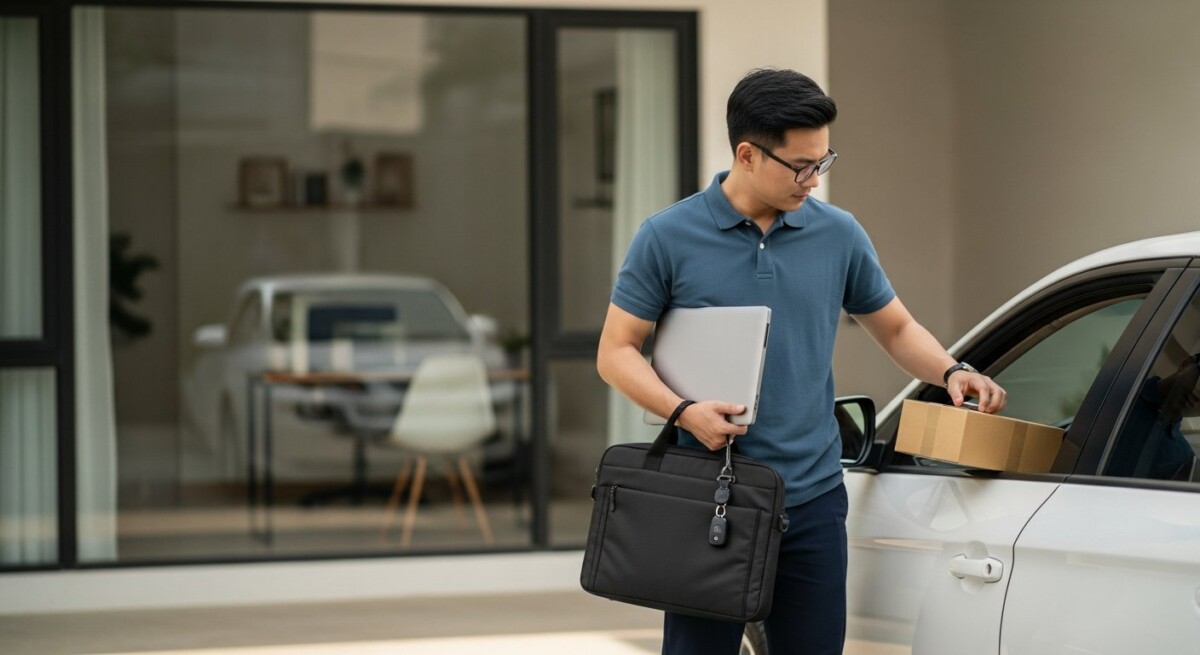
If you work from home and use your car for business errands, deliveries, or client meetings, your personal auto policy may not cover you. Many remote workers assume their standard insurance is enough, but a single claim can reveal dangerous gaps. Understanding insurance for drivers who work from home is essential to avoid surprise denials and out-of-pocket costs. This guide explains what changes when your car becomes a work tool and how to secure the right protection.
Why Remote Workers Need Specialized Auto Coverage
Working from home blurs the line between personal and professional driving. When you use your vehicle for work-related tasks like picking up supplies, transporting equipment, or meeting clients, insurers classify that as business use. Personal policies typically exclude or limit coverage for business-related incidents. Without proper adjustments, you risk having a claim denied if an accident occurs during a work errand.
Insurers assess risk based on usage patterns. Driving for work increases your annual mileage and exposure to hazards like traffic congestion and parking lot accidents. Even if you only drive occasionally for work, insurers may require a commercial or business-use endorsement. Ignoring this distinction can lead to policy cancellation or non-renewal if the insurer discovers unreported business use.
Key Coverage Gaps for Work-From-Home Drivers
Standard personal auto policies often include these gaps for remote workers:
- Business use exclusion: Personal policies may not cover accidents while driving for any business purpose, including deliveries or client visits.
- Liability limits: If you cause an accident during a work-related trip, your personal liability coverage may be insufficient, exposing you to lawsuits.
- Equipment coverage: Laptops, tools, or inventory in your car may not be covered under a personal auto policy. You may need a separate inland marine or business property policy.
- Rideshare gaps: If you drive for a delivery service like DoorDash or Uber Eats while working from home, your personal policy likely excludes coverage during those trips.
Each gap creates financial vulnerability. For example, if you deliver client documents and get into an at-fault accident, your insurer could deny the claim because the trip was business-related. You would then face repair costs, medical bills, and potential legal fees alone.
Types of Policies for Work-From-Home Drivers
Choosing the right policy depends on how you use your vehicle for work. Here are the common options:
Personal Auto Policy with Business Use Endorsement
For light business use (occasional errands or client meetings), adding a business use endorsement to your personal policy is often the most affordable route. This endorsement extends liability and comprehensive coverage to work-related trips. It typically costs 10 to 20 percent more than a standard policy but prevents claim denials.
Commercial Auto Insurance
If you regularly drive for business (multiple deliveries per day, transporting heavy equipment, or carrying clients), a commercial auto policy is usually required. Commercial policies offer higher liability limits, broader coverage for business property, and protection for employees driving your vehicle. They are more expensive but provide comprehensive protection for high-frequency business use.
Rideshare or Delivery Coverage
If you work for a gig economy platform, look for a policy that includes rideshare or delivery coverage. Some insurers offer add-ons that cover the gap between your personal policy and the platform’s commercial coverage. This option is critical for food delivery drivers, couriers, and ride-hailing drivers.
How to Determine Your Insurance Needs
Follow these steps to assess whether your current insurance is adequate for your work-from-home driving:
- Review your policy declarations page: Look for the business use exclusion or any language about commercial activities. If you see “pleasure only” or “commute only,” you likely need an upgrade.
- Estimate your work-related mileage: Track how many miles you drive per week for work errands, deliveries, or meetings. If it exceeds 10 to 15 percent of your total driving, business coverage is recommended.
- Identify the types of work trips: Are you carrying cargo, tools, or passengers? Do you cross state lines? Each factor influences whether a personal or commercial policy is appropriate.
- Compare quotes for business use endorsements: Contact your insurer or an independent agent to compare costs. In our guide on cheap commercial car insurance for business owners, we explain how to find affordable options that match your usage.
Once you gather this information, you can make an informed decision. Remember that underreporting business use to save money can backfire if you need to file a claim.
Common Misconceptions About Work-From-Home Driving
Many remote workers believe that working from home means they rarely drive for work. In reality, even occasional work trips can create coverage problems. Another misconception is that personal auto insurance covers all types of property in your car. Standard policies exclude business equipment like laptops, samples, or inventory. You may need a separate policy or rider to protect those items.
Some drivers also think that adding a business use endorsement will drastically increase their premium. While costs vary, the increase is often modest compared to the financial risk of being uninsured for a work-related accident. For example, a delivery driver who adds rideshare coverage might pay an extra 15 percent, but that expense is far less than paying for a totaled vehicle out of pocket.
Cost Factors for Work-From-Home Insurance
Premiums for insurance for drivers who work from home depend on several factors:
- Annual mileage: More miles mean higher risk. Insurers calculate rates based on total miles driven, including work trips.
- Vehicle type: A sedan used for occasional errands costs less to insure than a van used for equipment transport.
- Coverage limits: Higher liability limits and comprehensive coverage increase premiums but offer better protection.
- Driving history: Clean records lead to lower rates; accidents or tickets raise costs.
- Location: Urban areas with higher accident rates typically have higher premiums. For state-specific guidance, see our resource on cheapest auto insurance in New Jersey for examples of regional rate differences.
To minimize costs, compare quotes from multiple insurers. Some companies specialize in coverage for remote workers and gig economy drivers, offering competitive rates for business use endorsements.
Steps to Take When Updating Your Policy
When you decide to adjust your coverage, follow these steps to ensure a smooth transition:
- Contact your current insurer: Ask about adding a business use endorsement or switching to a commercial policy. Provide details about your work-related driving patterns.
- Disclose all business activities: Be honest about deliveries, client meetings, and equipment transport. Failure to disclose can void your coverage.
- Review the new policy terms: Check that the business use coverage extends to liability, collision, comprehensive, and medical payments. Confirm that equipment is covered.
- Keep documentation: Save your updated declarations page and any endorsements. Provide copies to your employer if required by contract.
After updating your policy, periodically reassess your coverage as your work habits change. If you start driving more or take on new tasks, your insurance needs may evolve.
Frequently Asked Questions
Can I use my personal car for work deliveries without telling my insurer?
No. Using your vehicle for business deliveries without disclosing it to your insurer is a form of material misrepresentation. If you file a claim for an accident during a delivery, the insurer can deny it based on the business use exclusion. Always update your policy before starting work-related driving.
Does my employer’s insurance cover me when I drive for work?
It depends. Some employers carry non-owned auto liability insurance that covers employees using personal vehicles for business. However, this coverage is often limited and may not include physical damage to your car. Check with your employer’s HR or risk management department. You should still maintain your own business use endorsement or commercial policy for full protection.
How much more does business use insurance cost?
Costs vary widely, but a business use endorsement typically adds 10 to 25 percent to your premium. Commercial policies can be 50 to 100 percent more expensive than personal policies, depending on usage and vehicle type. For new vehicles, you may want to review tips in our article on best affordable car insurance for new vehicles to budget for these additions.
Do I need commercial insurance if I only drive for work once a week?
Not necessarily. If your work driving is occasional and low-risk (like monthly client lunches), a business use endorsement on your personal policy may suffice. However, if you carry cargo, tools, or passengers, or if you drive in high-traffic areas, commercial insurance may be safer. Consult an agent to evaluate your specific risk.
What happens if I have an accident while driving for work and I don’t have business use coverage?
Your insurer will likely deny the claim, leaving you responsible for vehicle repairs, medical bills, and liability costs. You could also face policy cancellation or non-renewal. In some states, driving without proper insurance for business use can result in fines or license suspension.
Final Thoughts on Work-From-Home Driver Insurance
Securing the right insurance for drivers who work from home protects your finances and your livelihood. Whether you need a simple endorsement or a full commercial policy, the key is to accurately disclose your driving habits and review your coverage annually. For more state-specific comparisons and tips, check our guide on auto insurance companies available in New Jersey to see how local options can fit your needs. By taking these steps, you can drive with confidence knowing your policy matches your work life.