When you shop for auto insurance, the term comprehensive coverage often appears alongside collision and liability. Yet many drivers misunderstand what comprehensive insurance actually covers or why it matters. This confusion can lead to costly gaps in protection or paying for coverage you do not need. To find the best comprehensive car insurance options for your situation, you must first understand how this coverage works, what factors affect your premium, and which insurers offer the strongest value for your specific needs. This guide walks through each of those elements so you can make a confident, informed choice.
What Comprehensive Car Insurance Covers and Why It Matters
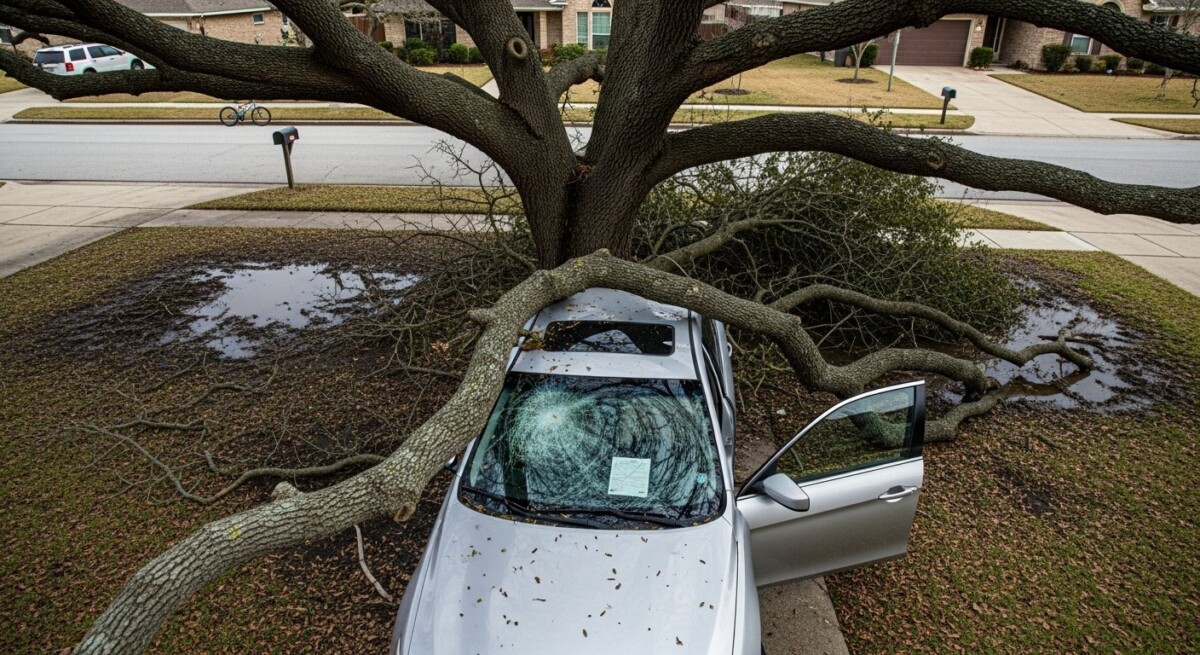
Comprehensive insurance protects your vehicle against damage that is not caused by a collision with another car or object. Think of it as a safety net for unexpected events that are outside your control. Standard comprehensive policies cover theft, vandalism, fire, falling objects (such as tree limbs or hail), natural disasters like floods or earthquakes, and animal strikes (hitting a deer or other large animal). If your windshield cracks from a flying rock on the highway, comprehensive coverage typically pays for the repair or replacement minus your deductible.
This type of coverage is especially valuable for drivers who live in areas prone to severe weather, high rates of vehicle theft, or heavy deer populations. Without comprehensive insurance, you would have to pay out of pocket for these repairs, which can easily run into thousands of dollars. For example, replacing a stolen vehicle or repairing extensive hail damage could cost more than the car is worth. That is why lenders almost always require comprehensive and collision coverage on financed or leased vehicles. If you own your car outright, the choice is yours, but skipping comprehensive coverage means accepting significant financial risk.
In our guide on comprehensive car insurance and why you need it, we explain the specific scenarios where this coverage proves indispensable. Understanding these details helps you decide whether comprehensive insurance is a smart investment for your vehicle.
Key Factors That Affect Your Comprehensive Insurance Premium
Insurance companies do not set a single price for comprehensive coverage. Your premium depends on several variables that reflect the likelihood of a claim and the cost of repairing or replacing your vehicle. The most important factors include your car’s make and model, its age and value, your location, your deductible amount, and your claims history. A luxury sedan or a popular SUV that is frequently stolen will cost more to insure comprehensively than an older economy car with a low theft rate.
Your geographic location plays a major role as well. Drivers in states with high rates of hail, flooding, or vehicle theft pay higher comprehensive premiums on average. Urban areas with dense populations also tend to have higher rates because the risk of vandalism and theft increases. Conversely, rural drivers may see lower comprehensive costs but face higher animal strike risks. Your deductible is another lever you can pull. Raising your deductible from $500 to $1,000 can lower your premium by 10 to 20 percent, though you will pay more out of pocket if you file a claim.
When comparing the best comprehensive car insurance options, always get quotes from multiple insurers using the same coverage limits and deductibles. This apples-to-apples comparison reveals which company offers the most competitive rate for your specific risk profile. For a step-by-step approach to comparing policies, see our resource on how to compare affordable car insurance options.
How to Evaluate and Compare Comprehensive Insurance Policies
Finding the best comprehensive car insurance options requires more than just looking at the monthly premium. You need to evaluate the overall value of each policy, which includes coverage limits, exclusions, customer service reputation, and claims handling efficiency. A cheap policy that leaves you with poor support after a theft or storm is no bargain at all. Start by checking each insurer’s financial strength rating from agencies like A.M. Best or Standard & Poor’s. A strong rating means the company is likely to have the funds available when you need to file a claim.
Next, read the policy details carefully. Comprehensive coverage typically has a per-incident deductible, but some policies offer disappearing deductibles that decrease over time if you remain claim-free. Others include riders for specific items like custom equipment or rental car reimbursement. Pay close attention to exclusions. For instance, some policies do not cover damage from rodent infestations or mechanical breakdowns, even if they result from a covered event. If you have questions about what is included, ask the agent or customer service representative for clarification before you buy.
Customer reviews and complaint ratios also matter. Look up each insurer’s complaint index on your state insurance department website. A company with a high number of complaints relative to its size may be slow to pay claims or difficult to work with. Online reviews from policyholders can provide insight into real-world experiences, though take individual complaints with a grain of salt. Finally, consider the convenience of digital tools like mobile apps for filing claims, tracking repairs, and managing your policy. These features can save time and reduce stress when you need to use your coverage.
Top Insurers Offering Strong Comprehensive Coverage
While the best comprehensive car insurance options vary by driver, several national and regional insurers consistently earn high marks for their comprehensive coverage. Based on financial strength, customer satisfaction, and coverage features, here are some companies worth considering:
- State Farm offers competitive comprehensive rates and a large network of local agents who can help you understand your policy. Its mobile app allows you to file claims and track repairs easily.
- Geico is known for low rates and a straightforward online quoting process. Its comprehensive coverage includes standard protections, and you can add extras like mechanical breakdown insurance for older vehicles.
- Progressive provides flexible deductible options and a Name Your Price tool that lets you adjust coverage to fit your budget. Its comprehensive policy covers animal strikes, weather damage, and theft.
- Allstate offers disappearing deductibles and new car replacement coverage, which can be valuable if your vehicle is totaled within the first few years of ownership.
- USAA consistently ranks highest in customer satisfaction among military members and their families. Its comprehensive coverage includes roadside assistance and rental car reimbursement at competitive rates.
Each of these insurers has strengths that may appeal to different drivers. For example, if you want personalized service from a local agent, State Farm or Allstate may be the right fit. If you prefer managing everything online and want the lowest possible price, Geico or Progressive could be better choices. For military families, USAA is often the top pick. The key is to compare quotes from at least three of these companies using the same coverage parameters to see which offers the best value for your situation.
How to Save Money on Comprehensive Insurance Without Sacrificing Coverage
Comprehensive insurance can add a significant amount to your annual premium, but there are several legitimate ways to reduce that cost without dropping the coverage entirely. One of the most effective strategies is to bundle your auto policy with your homeowners or renters insurance. Most major insurers offer a multi-policy discount of 5 to 15 percent. You can also take advantage of safe driver discounts, anti-theft device discounts, and loyalty discounts for staying with the same company for multiple years.
Another approach is to adjust your deductible. As mentioned earlier, raising your deductible from $500 to $1,000 can lower your comprehensive premium by up to 20 percent. Just make sure you have enough savings to cover the higher deductible if you need to file a claim. You can also consider dropping comprehensive coverage on older vehicles that have a low market value. If your car is worth less than $2,000 to $3,000, the cost of comprehensive coverage may exceed the potential payout after a total loss. In that case, self-insuring by setting aside the premium money in an emergency fund might make more financial sense.
Finally, shop around at every renewal. Insurance rates change frequently based on company underwriting guidelines and market conditions. A company that was expensive last year might now offer a competitive rate, and vice versa. By comparing quotes annually, you ensure you are not overpaying for the same coverage. If you live in an area with specific risks like hail or flooding, check whether your insurer offers usage-based or pay-per-mile policies that could lower your comprehensive premium if you drive fewer miles.
Common Misconceptions About Comprehensive Car Insurance
Many drivers hold incorrect beliefs about comprehensive coverage that can lead to poor decisions. One common myth is that comprehensive insurance covers damage from a car accident. It does not. Collision insurance covers damage from hitting another vehicle or object, while comprehensive covers non-collision events. If you hit a deer, that is comprehensive. If you hit another car, that is collision. If you hit a deer and then crash into a tree, both coverages may apply, but each handles a different part of the incident.
Another misconception is that comprehensive insurance covers mechanical breakdowns or engine failure. It does not. Mechanical issues are covered by an extended warranty or mechanical breakdown insurance, not by comprehensive coverage. Similarly, comprehensive does not cover routine maintenance, worn-out tires, or damage from lack of maintenance. It only covers sudden, accidental damage from the specific perils listed in your policy. If your car’s engine seizes because you forgot to change the oil, comprehensive will not help.
Some drivers also believe that comprehensive insurance is required by law. While state laws mandate liability insurance, comprehensive and collision are typically only required by lenders if you have a car loan or lease. Once you pay off the vehicle, you can choose to drop comprehensive coverage. However, doing so leaves you exposed to significant repair costs from events like hailstorms or theft. Weigh the risk carefully before making that decision. For more details on what comprehensive covers and what it excludes, refer to our dedicated article on comprehensive car insurance coverage details.
When Comprehensive Insurance Is a Must-Have vs. a Nice-to-Have
Deciding whether to carry comprehensive coverage depends on your vehicle’s value, your financial situation, and your tolerance for risk. If you have a newer car that is financed or leased, comprehensive coverage is essentially mandatory because the lender wants to protect its investment. If you own your car outright and it is worth more than $5,000, comprehensive insurance is still a smart purchase because the potential loss from theft or weather damage is substantial. For vehicles worth $3,000 or less, the math often favors dropping comprehensive coverage and self-insuring.
Your location also influences the decision. If you live in an area prone to hailstorms (such as parts of Texas, Colorado, or Oklahoma), frequent flooding (coastal regions), or high vehicle theft rates (cities like Denver, San Francisco, or Albuquerque), comprehensive coverage is almost always worth the cost. In contrast, if you live in a low-risk area with mild weather and low crime, you may decide to take the chance and skip comprehensive coverage on an older vehicle. Just remember that one unexpected event like a falling tree branch or a deer crossing can cause thousands of dollars in damage, so the risk is never zero.
Frequently Asked Questions
What is the difference between comprehensive and collision insurance?
Comprehensive covers non-collision damage such as theft, vandalism, weather events, and animal strikes. Collision covers damage from hitting another vehicle or object, such as a guardrail or tree. Both are optional unless required by a lender.
Can I buy comprehensive insurance alone without collision?
Yes, many insurers allow you to purchase comprehensive coverage without collision. However, some companies require you to carry both if you want either one. Check with your insurer or agent to confirm their rules.
Does comprehensive insurance cover a cracked windshield?
Yes, comprehensive coverage typically pays for windshield repair or replacement, often with a separate lower deductible or even a zero-deductible option in some states. Check your policy for specific terms.
How much does comprehensive insurance cost on average?
The average cost of comprehensive coverage in the United States ranges from $100 to $300 per year, depending on your vehicle, location, deductible, and insurer. Rates vary significantly, so comparing quotes is essential.
Is comprehensive insurance worth it for an older car?
If your car is worth less than $3,000, the premium for comprehensive coverage may exceed the potential payout after a total loss. In that case, dropping comprehensive coverage and saving the premium money could be more cost-effective.
For drivers in specific regions, local factors can heavily influence comprehensive rates and availability. If you live in or near Joliet, for example, you may want to review the top auto insurance options in Joliet to see how local insurers compare on comprehensive coverage.
Selecting the best comprehensive car insurance options requires balancing coverage needs, budget, and risk tolerance. Start by understanding what comprehensive covers and what it does not. Then evaluate insurers based on financial strength, customer service, and policy features. Compare quotes from at least three companies using the same deductibles and limits. Adjust your deductible to a level that balances affordable premiums with manageable out-of-pocket costs. Finally, review your coverage annually to ensure it still aligns with your vehicle’s value and your financial goals. By following these steps, you can secure comprehensive protection that gives you peace of mind without overpaying. For drivers seeking affordable coverage, our guide on cheap car insurance options offers additional strategies for reducing your overall premium while maintaining essential protections.