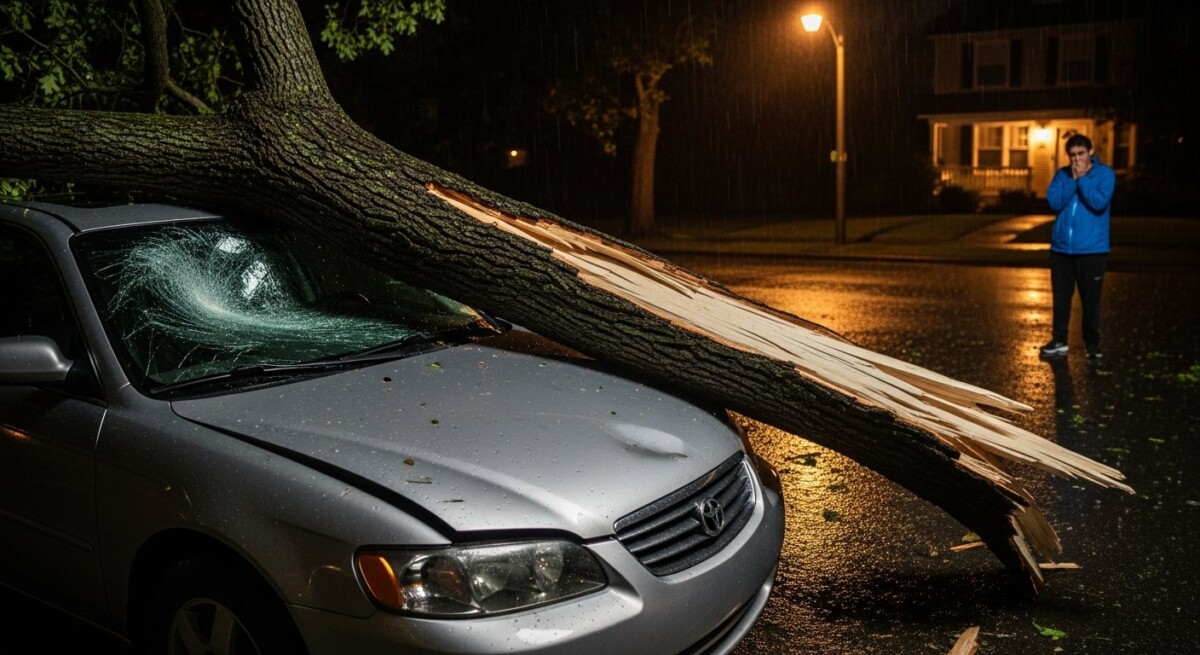
When you shop for auto insurance, you will encounter terms like liability, collision, and comprehensive. While liability is mandatory in most states, comprehensive coverage is optional yet highly valuable. A comprehensive car insurance policy protects your vehicle from damage that is not caused by a collision. This includes theft, vandalism, natural disasters, falling objects, and animal strikes. Without it, you could face thousands of dollars in out-of-pocket repair or replacement costs. Understanding what this coverage includes and how it fits into your overall insurance strategy can help you make a smarter financial decision.
What Is a Comprehensive Car Insurance Policy?
A comprehensive car insurance policy is a type of auto coverage that pays for damage to your vehicle from non-collision events. Industry experts often call it “other than collision” coverage because it fills the gaps left by liability and collision insurance. For example, if a tree branch falls on your parked car or a deer runs into the side of your vehicle, comprehensive coverage would handle the repair costs minus your deductible. It also covers theft of the entire vehicle or parts like catalytic converters and wheels.
This coverage is typically bundled with collision insurance to create what insurers call “full coverage.” However, comprehensive alone does not cover damage from an accident with another car or object. That is where collision insurance steps in. Together, they provide a safety net for most common vehicle damage scenarios. Lenders and lessors usually require comprehensive and collision coverage for financed or leased vehicles to protect their investment.
Key Coverages Under Comprehensive Insurance
Comprehensive coverage is broad, but it is not unlimited. It covers specific perils listed in your policy. Here are the most common events a comprehensive car insurance policy protects against:
- Theft and vandalism: If someone steals your car or damages it intentionally, comprehensive covers the loss or repair.
- Natural disasters: Damage from hail, floods, hurricanes, tornadoes, earthquakes, and wildfires is included.
- Falling objects: Tree limbs, debris from construction, or even space debris (rare but covered) are examples.
- Animal strikes: Hitting a deer, moose, or other animal while driving is covered under comprehensive, not collision.
- Fire and explosions: Damage from a vehicle fire or an external explosion is included.
These perils are typically beyond your control, making comprehensive coverage a cost-effective way to avoid catastrophic financial loss. However, it does not cover mechanical breakdowns, normal wear and tear, or damage from a collision with another vehicle. For those scenarios, you need separate warranties or collision coverage. If you want to understand how comprehensive fits with other coverages, our guide on understanding auto insurance policy types and coverage provides a helpful breakdown.
How Comprehensive Coverage Works in Practice
When you file a claim under a comprehensive car insurance policy, you pay your deductible first, and the insurer pays the remaining repair or replacement cost up to the actual cash value of your vehicle. Deductibles typically range from $100 to $1,500. Choosing a higher deductible lowers your premium but increases your out-of-pocket cost at claim time. For example, if your car sustains $3,000 in hail damage and you have a $500 deductible, the insurer pays $2,500.
Insurers determine the payout based on the vehicle’s actual cash value, which accounts for depreciation. If your car is totaled or stolen, the settlement is the market value minus your deductible. This is why comprehensive coverage is most valuable for newer or higher-value vehicles. For an older car worth only a few thousand dollars, the premium and deductible may outweigh the potential payout. In such cases, dropping comprehensive might be financially sensible. To see how deductibles and limits affect your costs, refer to our step-by-step resource on how to read an auto insurance policy.
Who Should Carry Comprehensive Coverage?
Not every driver needs comprehensive insurance, but many benefit from it. The decision depends on your vehicle’s age, value, and financial situation. Here are three scenarios where a comprehensive car insurance policy makes sense:
- Financed or leased vehicles: Lenders and lessors almost always require comprehensive and collision coverage to protect their asset.
- Newer cars with high market value: If your car is less than 10 years old or worth more than a few thousand dollars, comprehensive coverage protects your investment.
- High-risk areas: If you live in a region prone to hail, floods, wildfires, or high vehicle theft rates, comprehensive coverage is a smart precaution.
Conversely, if you own an older car with a low market value and have enough savings to replace it, you might choose to skip comprehensive coverage. A good rule of thumb is to consider dropping comprehensive if the annual premium exceeds 10% of the vehicle’s value. For example, if your car is worth $5,000 and you pay $600 per year for comprehensive, the coverage may not be cost-effective.
Comprehensive vs. Collision: Understanding the Difference
Many drivers confuse comprehensive and collision coverage because both pay for physical damage to your vehicle. However, they cover different events. Collision insurance pays for damage from hitting another vehicle, a guardrail, a tree, or an object like a fence. It also covers rollovers. Comprehensive insurance covers everything else: theft, vandalism, weather events, animal strikes, and falling objects.
Insurers often recommend buying both together for full protection. If you have a loan or lease, you likely have no choice. But if you own your car outright, you can choose one or the other. For example, if you live in an area with harsh winters but have a safe driving record, you might prioritize comprehensive for hail and deer strikes while skipping collision. To explore other coverage options, read our article on non owner auto insurance policy if you do not own a vehicle but still drive occasionally.
Common Misconceptions About Comprehensive Coverage
There are several myths surrounding comprehensive car insurance policies that can lead to poor decisions. One common misconception is that comprehensive covers mechanical breakdowns or routine maintenance. It does not. If your engine fails due to age or lack of oil changes, comprehensive will not pay for repairs. Another myth is that comprehensive covers personal belongings stolen from your car. While the vehicle itself is covered, items like laptops, phones, or luggage fall under homeowners or renters insurance, not auto insurance.
Some drivers also believe that comprehensive coverage is mandatory. It is not required by any state law, but lenders may require it. Finally, many assume that comprehensive premiums are fixed. In reality, rates vary by insurer, location, vehicle model, and your claims history. Shopping around for quotes can save you money. If you need to adjust who is covered under your policy, our guide on how to remove a driver from your car insurance policy explains the process.
How Much Does Comprehensive Coverage Cost?
The cost of a comprehensive car insurance policy varies widely based on several factors. On average, comprehensive coverage adds about $100 to $300 per year to your premium, but this can be higher for luxury vehicles or drivers in high-risk areas. Key factors affecting the price include your vehicle’s make and model, your deductible amount, your location, and your driving history. For example, a driver in Florida might pay more for comprehensive due to hurricane and flood risks, while a driver in Arizona might pay less.
You can lower your comprehensive premium by choosing a higher deductible, bundling with other policies, or qualifying for discounts such as multi-vehicle, anti-theft device, or loyalty discounts. It is always wise to compare quotes from multiple insurers to find the best rate. Remember that comprehensive coverage protects against unpredictable events, so even a small premium can save you thousands in a worst-case scenario.
Frequently Asked Questions
Does comprehensive insurance cover a cracked windshield?
Yes, in most cases a comprehensive car insurance policy covers windshield damage from rocks, debris, or vandalism. Some insurers offer zero-deductible glass repair or replacement as an add-on, which can be cost-effective.
Can I add comprehensive coverage to an old car?
Yes, you can add comprehensive coverage to any vehicle regardless of age. However, if the car’s value is low, the premium may not be worth it. Calculate the annual cost versus the car’s market value to decide.
Does comprehensive cover rental cars?
Comprehensive coverage on your personal policy typically extends to rental cars, but only if you have comprehensive and collision on your own vehicle. Check your policy or ask your agent for confirmation before renting.
Will my premium increase after a comprehensive claim?
Comprehensive claims are often considered not-at-fault events, so they may not raise your premium as much as collision or liability claims. However, some insurers still factor claims into future rates. It varies by company.
Is comprehensive insurance tax deductible?
For personal vehicles, auto insurance premiums including comprehensive are not tax deductible. If you use the vehicle for business, a portion of the premium may be deductible. Consult a tax professional for specific advice.
Final Thoughts on Comprehensive Car Insurance
A comprehensive car insurance policy provides essential protection against life’s unpredictable events. From hailstorms to theft, this coverage can save you from significant financial strain. While it is not mandatory, it is a wise choice for anyone with a vehicle of substantial value or those living in high-risk areas. By understanding what comprehensive covers, how deductibles work, and when to carry it, you can tailor your auto insurance to fit your needs and budget. If you are unsure whether comprehensive is right for you, compare quotes and consult with a licensed agent. For personalized assistance, call us at 833-214-7506 to discuss your options.