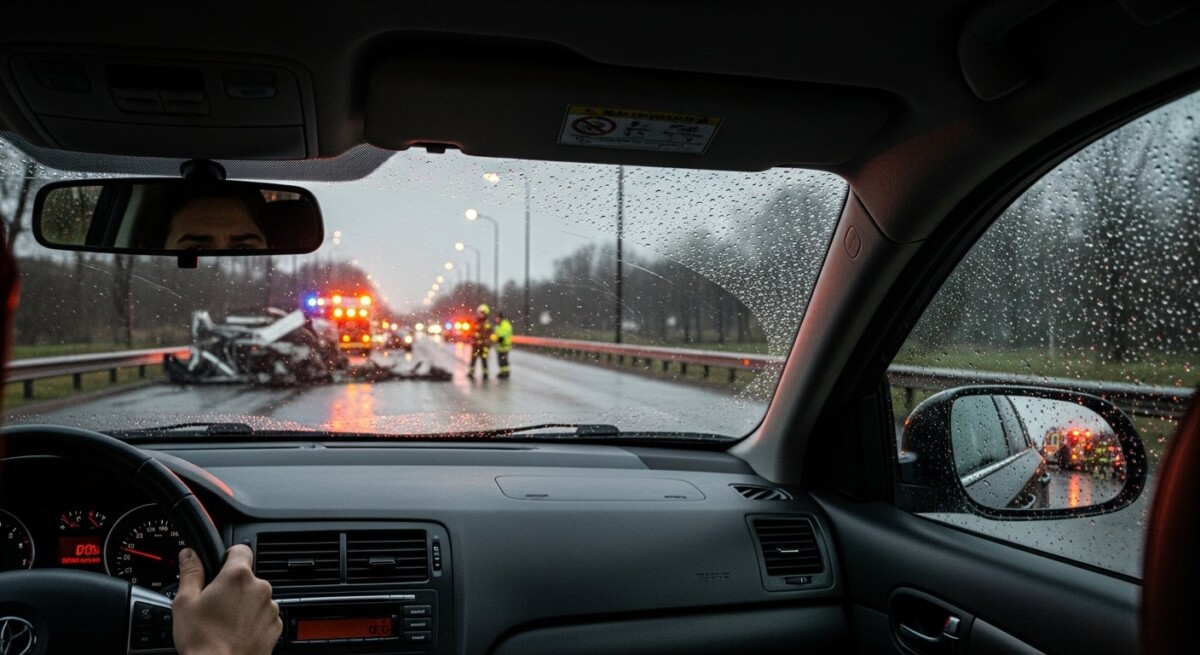
Two accidents in a relatively short period can send your heart racing for more than one reason. After the initial shock and the claims process, a more nagging, long-term fear sets in: will my insurance drop me after 2 accidents? The unsettling truth is that yes, it is a very real possibility. While a single accident might result in a surcharge, a second claim can trigger a company’s internal risk review, potentially leading to non-renewal. However, this outcome is not automatic or universal. Your fate hinges on a complex matrix of factors including your state’s regulations, your insurer’s specific underwriting guidelines, the severity of the accidents, and your overall profile as a policyholder. Understanding this process is the first step to navigating the aftermath and securing your driving future.
The Factors That Determine Your Insurance Status
Insurance companies are in the business of assessing and pricing risk. When you file multiple claims, you are statistically flagged as a higher-risk driver. The decision to non-renew a policy after two accidents is not made on a whim, but through a calculated evaluation. The first major factor is fault. Two at-fault accidents are viewed far more severely than two not-at-fault incidents. An insurer may sympathize with you being hit by others, but consecutive at-fault claims suggest a pattern of behavior that increases their likelihood of paying out large sums in the future. The severity and cost of the claims are equally critical. Two minor fender-benders with repair costs under a few thousand dollars each are less likely to trigger cancellation than two major collisions involving total losses or significant bodily injury claims.
Your personal history beyond these two accidents plays a decisive role. A driver with a clean record for 15 years before two recent accidents may be given more grace than a driver with a history of tickets and a prior claim. Furthermore, state insurance regulations create the boundaries within which companies must operate. Some states have strict laws limiting an insurer’s ability to non-renew, often providing specific protections after a first accident. However, these protections frequently diminish or disappear after a second incident, granting the company broader discretion. It is crucial to understand that each insurer has its own proprietary underwriting guidelines. One company might have a zero-tolerance policy for two at-fault claims in 36 months, while another might apply a surcharge but continue coverage. This variation is why shopping around is a viable strategy, as explored in our analysis of how auto insurance company ratings will shape your 2026 policy.
What Happens After the Second Accident Claim
The process following your second claim is typically methodical. Initially, your claims are processed as usual. However, your file is often automatically reviewed by an underwriting department or a special risk unit. You may not be notified of this review. If the decision is made to non-renew, you will receive a formal notice by mail, usually 30 to 60 days before your policy expiration date, as required by state law. This notice should state the reason for non-renewal. Simply receiving a large premium increase at renewal can also be a soft indicator that your insurer is trying to price you out of the policy, a practice known as a “soft cancel.”
During this precarious time, it is essential to know your coverage limits and rights. For instance, many drivers are unsure if their policy extends to accidents off public roads. Our article on does auto insurance provide coverage for accidents on private property clarifies this important point, which can be relevant if one of your incidents occurred in a parking lot or driveway. If your insurer does drop you, you will need to seek new coverage immediately. A lapse in coverage can lead to even higher premiums and legal penalties. You will likely be shopping in the non-standard insurance market, which caters to high-risk drivers and comes with significantly higher costs.
Steps to Take If You Are at Risk of Being Dropped
Proactive management is your best defense. Do not wait for the non-renewal notice to land in your mailbox. Begin by having a candid conversation with your insurance agent. Ask directly about your status and whether a non-renewal is being considered. Sometimes, they can provide guidance or even advocate on your behalf. Your immediate focus should be on mitigating risk in the eyes of any insurer, current or future. Enrolling in a defensive driving course is one of the most effective steps you can take. It demonstrates a commitment to safer driving and may qualify you for a discount, potentially offsetting some of the upcoming surcharge.
Next, conduct a thorough audit of your current policy and driving habits. Consider the following actionable steps to stabilize your situation:
- Raise Your Deductible: Voluntarily increasing your comprehensive and collision deductible can lower your premium, showing a willingness to shoulder more initial cost and reducing future small claims.
- Evaluate Claim Necessity: For future minor incidents, calculate if the repair cost is only slightly above your deductible. Paying out-of-pocket for minor damage avoids filing a claim that stays on your record for years.
- Improve Credit Score: In most states, insurers use credit-based insurance scores. Improving your credit can positively impact your premium.
- Remove High-Risk Drivers: If possible, exclude a high-risk driver (like a teenage child with accidents) from your policy.
- Bundle Policies: Combining auto with home or renters insurance can create loyalty discounts that make you more valuable to retain.
If non-renewal appears inevitable, start shopping for new quotes immediately. Be prepared to explain the circumstances of both accidents honestly. Withholding information will lead to higher quotes or denial once the insurer runs your CLUE report. Understanding the full scope of your protection is also vital during this period. A foundational resource is our guide on how auto insurance protects you in accidents, which details the coverages that respond after a collision.
Navigating the High-Risk Insurance Market
If your current insurer drops you, you will likely need to secure coverage through the non-standard market. This segment specializes in insuring drivers with DUIs, multiple accidents, or major violations. Companies like The General, Dairyland, and certain sub-divisions of major carriers operate here. Premiums can be double or triple what you were previously paying. You may also be required to file an SR-22 or FR-44 form, which is a certificate from your insurer proving you carry state-mandated minimum liability coverage. This is often required for serious violations but can sometimes be triggered by multiple accidents.
While expensive, this coverage is crucial to maintain your legal driving privileges. The goal is to use this high-risk period to rebuild your record. Maintain a clean driving record for three to five years, and you can gradually transition back to standard insurance companies. During this time, if you need a rental car after an accident, be aware that coverage terms may differ. Our explanation of how long auto insurance provides coverage for a rental car is a useful reference for understanding this specific benefit under high-risk policies.
Frequently Asked Questions
Will my insurance go up after 2 accidents? Almost certainly, yes. Expect a significant premium increase at your next renewal, often between 50% to 100% or more, depending on fault and cost.
How long do accidents stay on my insurance record? Most insurers look back 3 to 5 years when calculating premiums, though accidents can remain on your CLUE report for up to 7 years.
What is the difference between cancellation and non-renewal? Cancellation occurs mid-term for specific reasons like non-payment or fraud. Non-renewal happens at the end of the policy term because the company chooses not to renew the contract, which is the typical outcome after multiple accidents.
Can I be denied insurance after being dropped? You cannot be denied state-mandated liability coverage if you apply through your state’s assigned risk plan, but it will be very expensive. Private insurers can deny you for any reason not prohibited by state law.
Should I switch insurance companies after one accident? Not necessarily. Shopping after one accident can be smart, but if you have two, a switch may be forced upon you. Always get new quotes before your current policy renews.
Facing the possibility of losing your insurance is stressful, but it is not the end of the road. By taking informed, deliberate steps, you can manage the fallout from multiple accidents. Focus on demonstrating responsibility, exploring all options with your current provider, and preparing for the reality of the high-risk market if necessary. The path back to affordable, standard insurance is built on years of incident-free driving, making safe habits your most valuable asset moving forward.