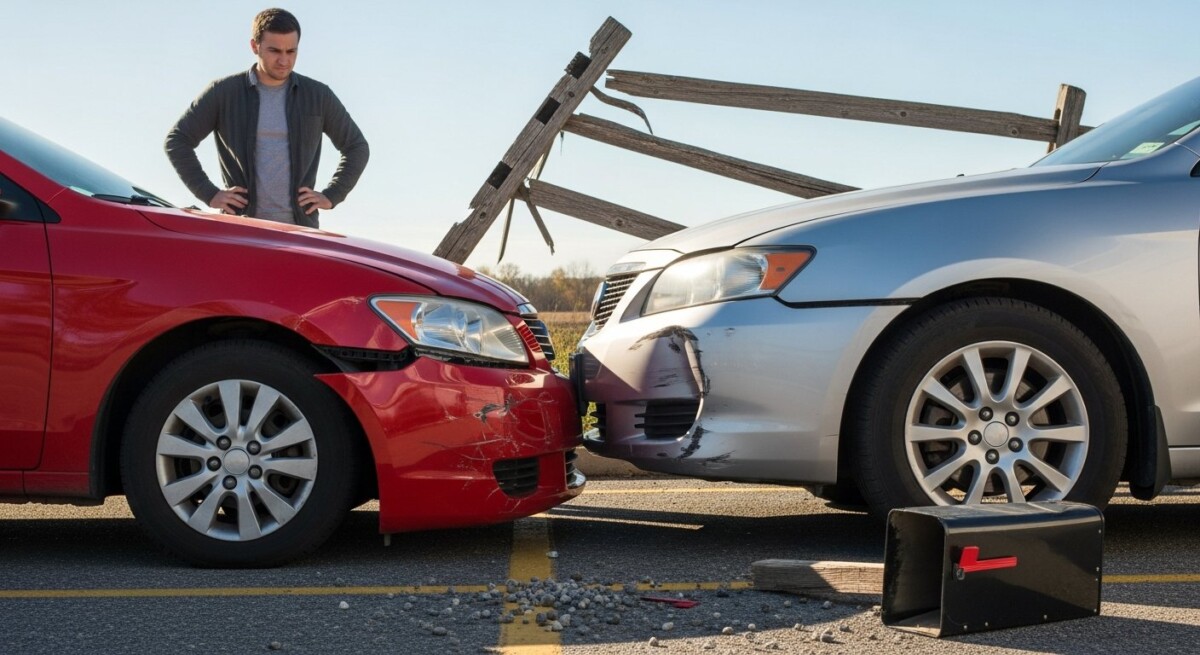
You back out of a parking spot and hear a sickening crunch. Your bumper met a parked car. Your heart sinks as you imagine the repair costs. This is the moment when property damage liability insurance steps in. It is a core part of almost every auto insurance policy, yet many drivers do not fully understand what it covers, what it excludes, or how much they really need. In this article, we break down what is property damage liability, how it protects you, and why your coverage limits matter more than you think.
Defining Property Damage Liability Coverage
Property damage liability is a component of your auto insurance that pays for damage you cause to someone else’s property while driving. This typically includes another person’s vehicle, but it also covers things like fences, mailboxes, buildings, and other structures. It does not cover damage to your own car or your own property. That is where collision or comprehensive coverage comes in.
When you are at fault in an accident, the other party can file a claim against your insurance. Your property damage liability coverage responds to that claim by paying for repairs or replacement up to your policy limit. Most states require drivers to carry this coverage by law. The minimum limits vary, but they are often surprisingly low. In our guide on Personal Injury and Property Damage Coverage, we explain how these two coverages work together to protect you from financial ruin after an accident.
To put it simply, property damage liability is not about protecting your car. It is about protecting your wallet from the cost of damaging other people’s things. Without it, you would have to pay out of pocket for every repair, which can easily run into tens of thousands of dollars.
How Property Damage Liability Differs From Other Coverages
Many drivers confuse property damage liability with collision coverage or comprehensive coverage. The easiest way to remember the difference is to think about whose property is damaged. If you hit a tree, your car is damaged. That is a collision claim on your own policy. If you hit a neighbor’s fence, the fence is damaged. That is a property damage liability claim against your policy.
Here are the key distinctions:
- Property damage liability: pays for damage to another person’s property when you are at fault.
- Collision coverage: pays for damage to your own vehicle regardless of fault.
- Comprehensive coverage: pays for non-collision damage to your car, such as theft, vandalism, or weather events.
Understanding these differences is critical when you purchase a policy. You might think you have full coverage, but if your liability limits are too low, a single accident could wipe out your savings. For example, if you cause a multi-car pileup, the damage to multiple vehicles and infrastructure could easily exceed a state minimum of $10,000. Your insurance would pay up to that limit, and you would be personally responsible for the rest.
What Property Damage Liability Covers in Detail
Property damage liability is broader than many people realize. It covers not just vehicles but any tangible property you damage with your car. Common examples include:
- Another driver’s car, truck, or motorcycle
- Bicycles and scooters that belong to someone else
- Fences, gates, and guardrails
- Buildings, garages, and homes
- Mailboxes, street signs, and light poles
- Landscaping and trees
In addition to the physical repair costs, property damage liability also covers the loss of use of the damaged property. If someone cannot drive their car while it is being repaired, your insurance may pay for a rental car. Similarly, if you damage a business’s storefront, the policy may cover the business’s lost income during repairs. These additional coverages are often overlooked but can be significant.
It is important to note that property damage liability does not cover damage to property you own. If you drive into your own garage, your homeowner’s insurance or your collision coverage might apply, but not your liability coverage. Likewise, if you damage a rental car, your personal auto policy may provide some coverage, but it depends on the policy terms and the rental agreement.
Minimum Coverage Limits: Are They Enough?
Every state sets its own minimum requirements for property damage liability. These limits are typically expressed as three numbers, such as 25/50/10. The third number is your property damage liability limit in thousands of dollars. For example, 25/50/10 means you have $10,000 in property damage liability coverage per accident.
While $10,000 might sound like a lot, it is dangerously low in many situations. Consider the cost of modern vehicles. A single new car can cost $40,000 or more. If you rear-end a luxury SUV and cause $30,000 in damage, your $10,000 limit leaves you $20,000 out of pocket. That is a financial disaster for most families. Even a minor collision with a newer vehicle can easily exceed $10,000 in repairs.
Insurance experts recommend carrying at least $50,000 in property damage liability coverage, and many suggest $100,000 or more. The extra premium cost is usually modest compared to the financial protection it provides. If you own significant assets, such as a home or investments, you should consider even higher limits to shield those assets from a lawsuit.
What Happens When You Exceed Your Limits
If you cause an accident and the damage exceeds your property damage liability limit, you become personally responsible for the difference. The other party or their insurance company can sue you for the remaining amount. If you do not have enough assets to pay, they could garnish your wages, place a lien on your property, or seize bank accounts.
This scenario is more common than people think. According to the Insurance Information Institute, about one in eight drivers on the road is uninsured. Among those who are insured, many carry only state minimum limits. If you are involved in an accident with an underinsured driver, your own uninsured or underinsured motorist coverage may help. But if you are the at-fault driver with low limits, the burden falls entirely on you.
One way to protect yourself is to purchase an umbrella liability policy. This is an extra layer of coverage that kicks in after your auto and homeowner’s liability limits are exhausted. Umbrella policies are relatively inexpensive and provide $1 million or more in additional coverage. They are a smart move for anyone with significant assets or a high risk of being sued.
Factors That Affect Your Property Damage Liability Premium
Insurance companies use a variety of factors to set your premium for property damage liability. Understanding these can help you find ways to save money without sacrificing coverage. Key factors include:
- Your driving record: accidents and tickets increase your risk profile.
- Your age and experience: younger drivers pay more.
- Your location: urban areas with more traffic have higher rates.
- Your credit history: many states allow insurers to use credit scores.
- Your coverage limits: higher limits mean higher premiums, but the increase is usually small.
You can lower your premium by maintaining a clean driving record, taking a defensive driving course, and bundling your auto insurance with other policies like homeowners or renters insurance. Shopping around every year or two can also help you find better rates. Many insurers offer discounts for paying your annual premium in full or setting up automatic payments.
Remember that the cheapest policy is not always the best. Low premiums often come with low limits or high deductibles. The goal is to find a balance between affordability and adequate protection. A few extra dollars per month could save you tens of thousands of dollars in a worst-case scenario.
Frequently Asked Questions
Does property damage liability cover rental cars?
It depends on your policy. Many personal auto policies extend property damage liability coverage to rental cars you drive on vacation or while your own car is being repaired. However, rental car companies often require you to purchase their own liability waiver or collision damage waiver to avoid charges for damage. Check with your insurer before you rent.
Is property damage liability required in all states?
Almost all states require it. The only exception is New Hampshire, which does not mandate liability insurance, but drivers must demonstrate financial responsibility if they cause an accident. Virginia allows drivers to pay an uninsured motorist fee to the state instead of buying insurance. Every other state requires at least minimum property damage liability coverage.
Can I increase my property damage liability limit mid-policy?
Yes. You can contact your insurance agent or company at any time and request a higher limit. They will adjust your premium accordingly. It is a good idea to review your limits every year during policy renewal, especially if you buy a new car, move to a new state, or acquire valuable assets.
What is the difference between property damage liability and personal injury protection?
Property damage liability pays for damage to another person’s property. Personal injury protection (PIP) pays for your own medical expenses and lost wages regardless of fault. Some states require PIP, while others do not. The two coverages serve completely different purposes. For a deeper comparison, read our article on Personal Injury and Property Damage Coverage.
Does property damage liability cover theft of my car?
No. Theft is covered under comprehensive coverage, not liability. Property damage liability only covers damage you cause to others. If someone steals your car, you need comprehensive coverage to file a claim. If they crash your stolen car into a building, your liability coverage would not apply because you did not cause the accident.
Real-World Examples of Property Damage Liability Claims
To understand the real value of this coverage, consider a few scenarios. In the first, you are driving on a residential street and lose control, crashing into a neighbor’s front porch. The repair cost for the porch is $12,000. If your property damage liability limit is $10,000, you owe $2,000 out of pocket. If your limit is $50,000, the insurance pays the full amount.
In another scenario, you rear-end a car at a red light. The other vehicle is a luxury sedan with advanced safety sensors that need recalibration. Total damage: $18,000. With a $10,000 limit, you are on the hook for $8,000. With a $50,000 limit, you are fully covered. These numbers add up quickly, especially if multiple vehicles are involved.
Finally, imagine you are driving a borrowed car and cause an accident. Your personal auto insurance usually follows you, not the car. So your property damage liability coverage would apply. However, if you do not have insurance, the car owner’s insurance might be forced to pay, potentially raising their rates or leaving them with a bill. This is why it is risky to drive without your own coverage, even if you rarely drive.
To protect yourself from these scenarios, consider carrying higher limits and pairing them with Personal Injury and Property Damage Coverage that fits your lifestyle. The peace of mind is worth the small premium increase.
How to Choose the Right Property Damage Liability Limit
Selecting the right limit involves evaluating your personal financial situation and risk tolerance. Start by adding up your assets: savings, investments, home equity, and retirement accounts. You want your liability limit to be high enough to cover a worst-case accident without touching those assets. Many financial advisors recommend a minimum of $100,000 in property damage liability, especially if you own a home or have a high income.
Next, consider the types of vehicles and property you are likely to encounter. If you live in an area with expensive cars and high property values, you need higher limits. If you rarely drive in congested areas, you might feel comfortable with a lower limit. But remember that one accident can happen anywhere, even in a quiet neighborhood.
Finally, talk to your insurance agent about umbrella policies. An umbrella policy provides an extra $1 million or more in liability coverage for a relatively low annual cost. It covers not only auto accidents but also incidents at home, such as someone slipping on your sidewalk. For comprehensive protection, an umbrella policy is a smart addition to your insurance portfolio.
If you are still unsure, our team can help you evaluate your options. We have extensive experience matching drivers with the right coverage levels. Call us at 833-214-7506 for a personalized consultation.
Understanding what is property damage liability and choosing adequate limits is one of the most important financial decisions you will make as a driver. Do not leave your future to chance. Review your policy today and make sure you have the protection you need. For more information on related coverages, check out our article on Personal Injury and Property Damage Coverage to see how these policies work together.